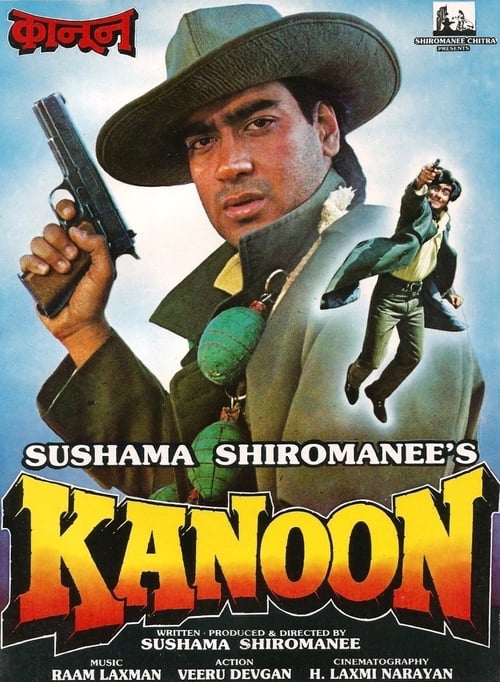
Kanoon
1994
No user ratings available yet
Representation score: 1.4 out of 10

Representation Score
Fair
1989
Not RatedDirector
Subhash Ghai
Runtime
174 minutes
Average Rating
No ratings yetNew Showbiz Analysis
Ram Lakhan is a classic commercial melodrama that excels in cultural authenticity. By focusing the narrative within the Indian socioeconomic context, it avoids Western clichés and emphasizes internal class struggles. However, the film remains tied to traditional hierarchies. The narrative relies on a clear good-versus-evil binary, using established religious and familial values to stabilize the story rather than challenging them. While the film offers a strong critique of feudal power structures, it lacks depth in representing diverse gender and identity experiences.
Category Breakdown
The film doesn't include any LGBTQ+ characters or non-cisgender identities. It follows the straight-centered structures typical of 1980s mainstream Indian cinema.
Male protagonists drive the story through physical confrontations. While Sharda provides emotional strength, her role is mainly defined by maternal duties and betrayal within a patriarchal system.
The cast is predominantly South Asian, emphasizing cultural authenticity. It avoids Western stereotypes to focus on internal class struggles and family honor.
The story criticizes feudal exploitation and systemic oppression. However, it relies on traditional moral frameworks and religious values to define justice.
There is no significant representation of physical or neurodivergent disabilities. Characters are defined by socioeconomic status and morality rather than disability.
Present on Screen
Limited or Absent
Official Synopsis
Sharda vows vengeance when her husband is murdered by his two evil cousins, Bhishamber and Bhanu, and she and her two young sons are thrown out on the street. Years after their father's murder, Ram and Lakhan grow up to become policemen. Their personalities are like day and night: while one strives to do what is right, the other often makes poor choices.
1994
1975

1982

1995
1994
1995

1982
1983
No reviews yet. Be the first to share your thoughts on this movie!
Use the rating form above to leave a star rating and optional review.