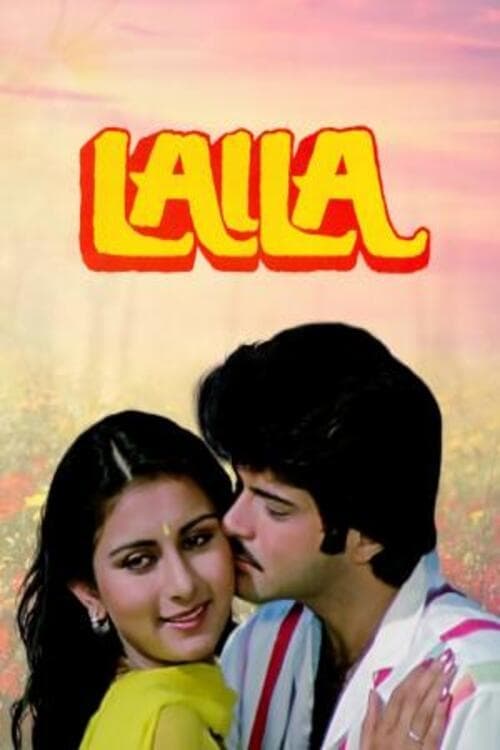
Laila
1984
No user ratings available yet
Representation score: 2.1 out of 10

Representation Score
Limited
2002
Director
K. Ravi Shankar
Runtime
173 minutes
Average Rating
No ratings yetNew Showbiz Analysis
The film functions as a traditional narrative that upholds established social hierarchies. It prioritizes restoring social order and family unity over challenging existing norms. Character control is largely centered around male figures, while female roles are more tied to maintaining tradition. The story follows conventional structures typical of early 2000s commercial Indian cinema. Ultimately, the film does not aim to challenge gendered or cultural frameworks, choosing instead to stabilize traditional institutions.
Category Breakdown
The film centers on a heterosexual relationship between Abhayendra Singh and Mangala Solanki. It follows traditional romantic clichés and does not include stories involving LGBTQ+ identities or non-cisgender individuals.
Male characters have significant control over the story, particularly in resolving a family feud. Female characters, such as the matriarch, play important roles but are more focused on maintaining tradition rather than driving their own destinies.
The cast is ethnically uniform, reflecting the local social context of the film’s production. It does not use multicultural casting to diversify the demographic representation.
The story emphasizes the importance of the family unit and resolves conflicts between generations. It upholds traditional values related to kinship and societal stability.
There are no characters with visible or invisible disabilities in the film’s storyline.
Present on Screen
Limited or Absent
Official Synopsis
Two feuding neighbouring families are brought together to celebrate the wedding anniversary of Vishnupratap Singh (Vikram Gokhale) and his wife (Farida Jalal), much to the dislike of Rudra Pratap (Sharad Kapoor). During this get together Abhayendra Singh (Fardeen Khan) falls in love with Mangala Solanki (Richa Pallod). Abhayendra comes to know of the background of the two families' feud, and makes attempts to reconcile the two families - with disastrous results.
1984

2011
1991
2004
2002
1995
2002
1988
No reviews yet. Be the first to share your thoughts on this movie!
Use the rating form above to leave a star rating and optional review.