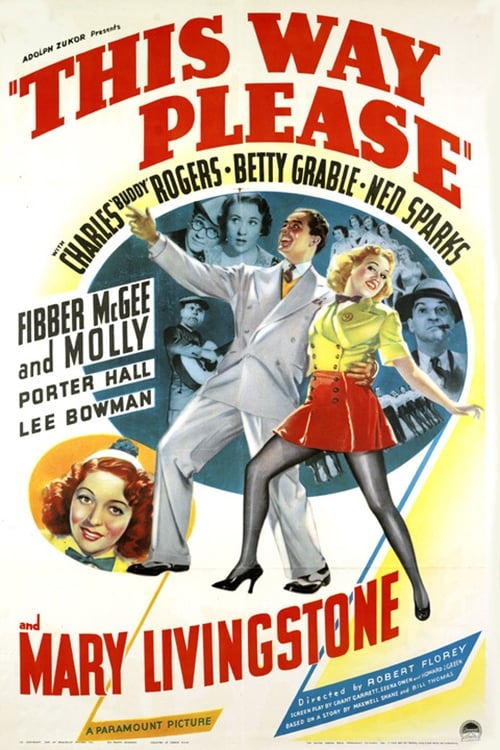
This Way Please
1937
No user ratings available yet
Representation score: 1.7 out of 10

Representation Score
Minimal
1936
NRDirector
Roy Del Ruth
Runtime
105 minutes
Average Rating
No ratings yetNew Showbiz Analysis
Born to Dance is a typical 1930s studio musical designed for escapism. It relies heavily on established romantic clichés and professional ambition within a very traditional framework. The film reflects the demographic homogeneity of its era, prioritizing conventional social structures and Western-centric values. While it offers a glimpse into female vocational drive, it lacks complexity in reflecting multiple aspects of identity. Ultimately, the production serves to reinforce contemporary social norms rather than challenge or subvert them, functioning as a standard period piece of the Golden Age.
Category Breakdown
The film follows a traditional structure focused on a romance between a sailor and a dancer. There is no evidence of non-straight or non-cisgender identities or same-sex relationships.
Joan Bennett’s character shows professional ambition within the dance industry. However, her role is largely driven by a romantic rivalry involving a male lead.
The cast and setting reflect the homogeneous standards of the 1930s. There is no evidence of significant racial blending or characters of color in key roles.
The narrative focuses on the pursuit of fame and romantic stability. It reinforces traditional Western values and celebrates the aspirational qualities of the entertainment industry.
While the film highlights the physical demands of dance, there is no specific evidence regarding the portrayal of visible or invisible disabilities.
Present on Screen
Limited or Absent
Official Synopsis
On leave, a sailor falls in love with a young lady aspiring to become a Broadway dancer, but their relationship is jeopardized by an established Broadway star, who is also enamored by him.
1937

1937

1941

1933

1938

1935

1932

1936
No reviews yet. Be the first to share your thoughts on this movie!
Use the rating form above to leave a star rating and optional review.