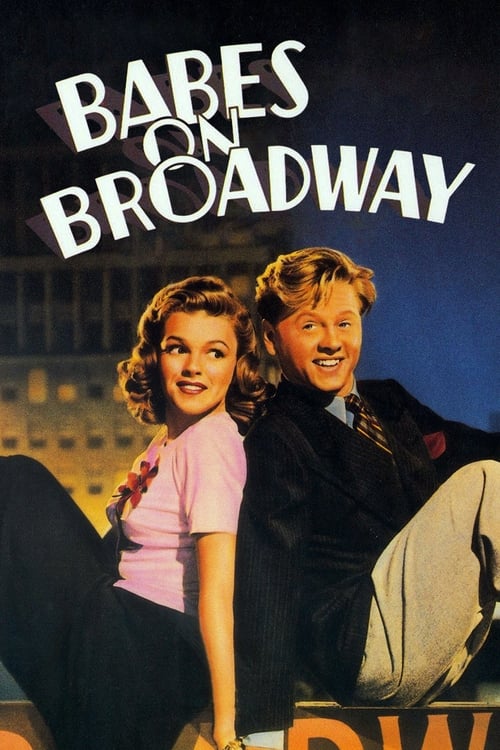
Babes on Broadway
1941
No user ratings available yet
Representation score: 0.8 out of 10
Representation Score
Minimal
1940
NRDirector
Busby Berkeley
Runtime
120 minutes
Average Rating
No ratings yetNew Showbiz Analysis
Strike Up the Band is a quintessential product of the Golden Age of Hollywood, prioritizing spectacle and escapism over social critique. The narrative structure reinforces the established hierarchies of 1940s cinema, focusing on traditional romance and masculine achievement. The film lacks meaningful representation across almost every metric. It presents a homogeneous, middle-class college environment that does not challenge the conventional status quo of the era.
Category Breakdown
The film follows traditional heterosexual romantic storylines typical of the 1940s. There are no depictions of non-binary gender identities or same-sex relationships.
Male characters drive the plot through college competitions and leadership roles. Female characters mainly serve as romantic interests rather than taking central musical roles.
The cast is mostly white, reflecting the homogeneous demographics of the early studio era. The college setting lacks diversity in race or ethnicity.
The story celebrates the collegiate spirit and social harmony through an escapist musical format. It upholds the stable, middle-class social norms of the time.
Characters are shown as able-bodied performers within a musical ensemble. There are no visible or invisible disabilities portrayed.
Present on Screen
Limited or Absent
Official Synopsis
Jimmy and Mary get a group of kids together to play in a school orchestra. A huge contest between schools is coming up and they have a hard time raising money to go to Chicago for the contest.
1941
1933
1938
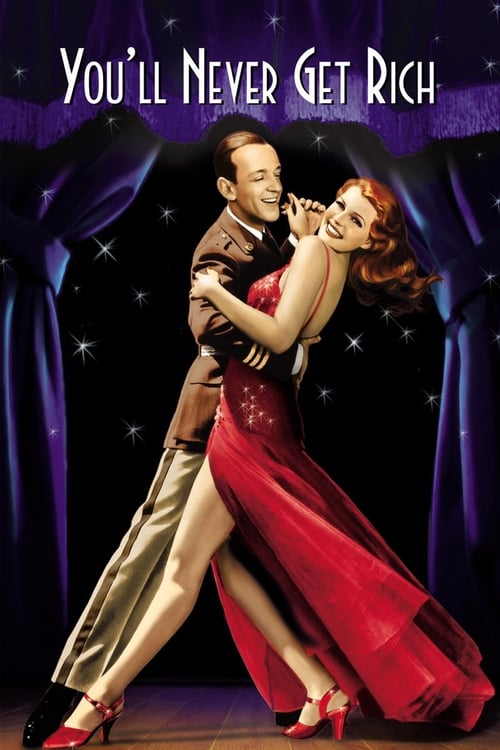
1941
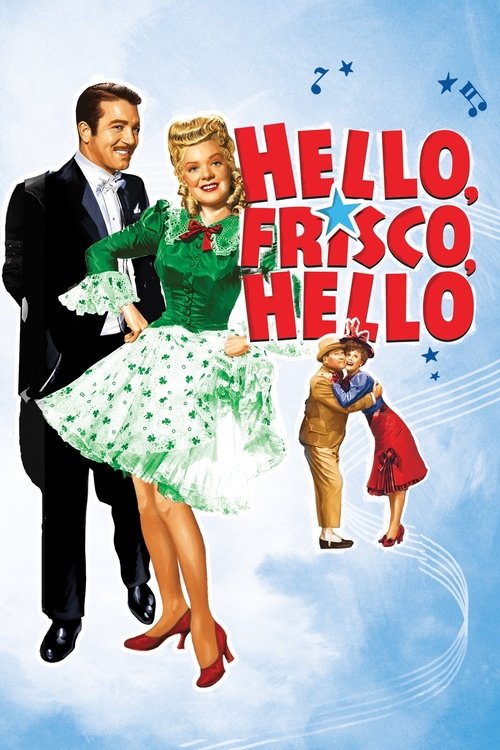
1943
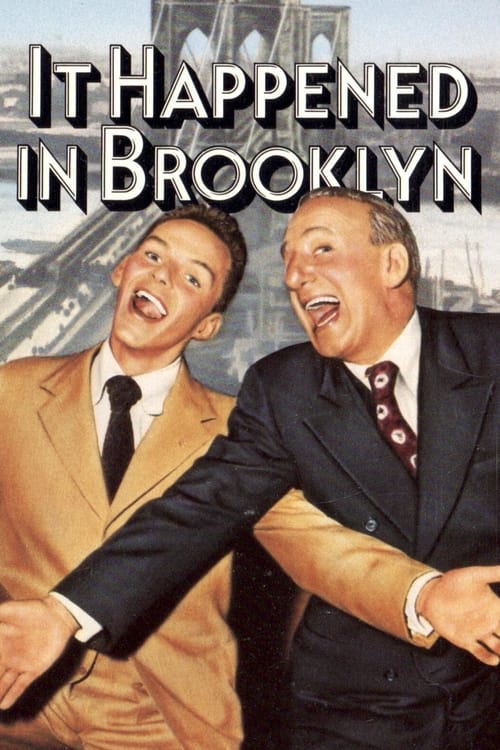
1947
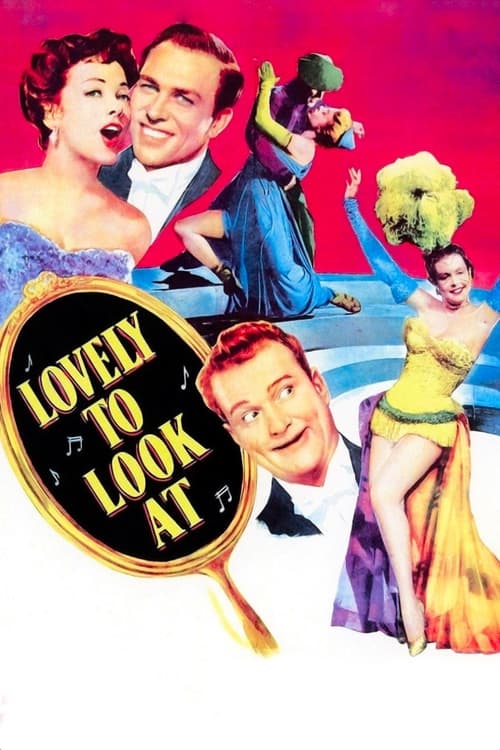
1952
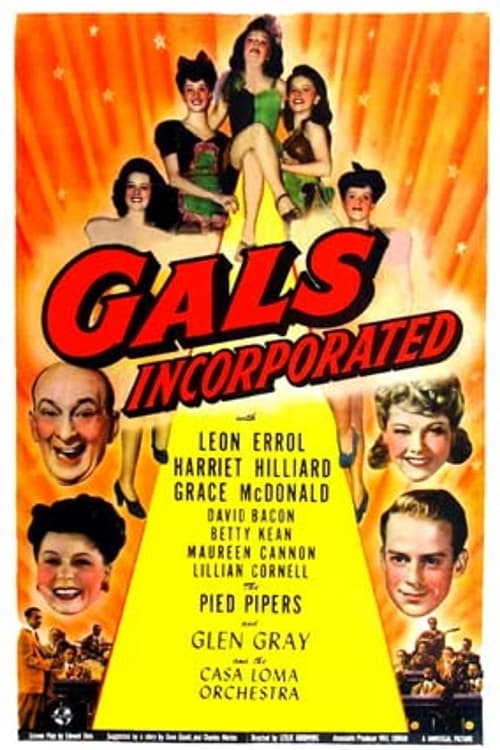
1943
No reviews yet. Be the first to share your thoughts on this movie!
Use the rating form above to leave a star rating and optional review.