My Lucky Star
1938
No user ratings available yet
Representation score: 0.8 out of 10
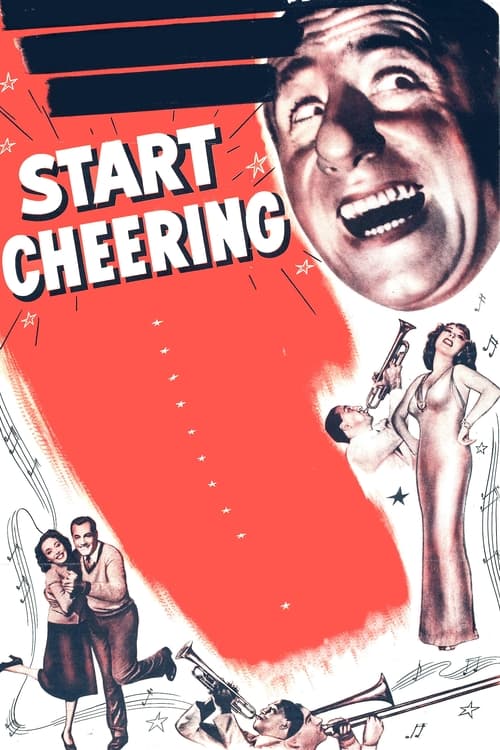
Representation Score
Limited
1938
NRDirector
Albert S. Rogell
Runtime
78 minutes
Average Rating
No ratings yetNew Showbiz Analysis
Start Cheering is a product of the late 1930s studio system, prioritizing mainstream appeal and conventional narrative structures. The film functions as a standard musical comedy that upholds the social hierarchies of its time rather than challenging them. The lack of diverse representation is evident across all categories. The focus remains on a traditional male-driven plot set within established Western institutions, offering little room for diverse perspectives or underrepresented identities. Ultimately, the film serves as a snapshot of a period in cinema characterized by homogeneous casting and rigid adherence to prevailing cultural norms.
Category Breakdown
The film does not include any characters with LGBTQ+ identities or non-straight relationships. It follows the traditional heterosexual norms typical of 1930s films.
The story focuses on a male protagonist facing academic and social challenges. Female characters likely play supporting roles or serve as decorative elements within the existing gender hierarchy.
The production reflects the homogeneous casting practices of 1930s Hollywood. There is no evidence of significant non-white representation or actors being cast in roles traditionally held by white actors.
The narrative operates within traditional Western academic and social institutions. It reinforces institutional stability without critiquing cultural or social norms.
There is no evidence of characters with visible or invisible disabilities. Representation of disabilities was largely absent or used as a minor element during this era.
Present on Screen
Limited or Absent
Official Synopsis
After retiring from movies to get an education, a man discovers his ex-staff is trying to have him expelled.
1938

1933

1932

1953
1938
1953
1937
1938
No reviews yet. Be the first to share your thoughts on this movie!
Use the rating form above to leave a star rating and optional review.