Postcard
2010
No user ratings available yet
Representation score: 3.4 out of 10
Representation Score
Fair
2017
Director
Fukugawa Yoshihiro
Runtime
114 minutes
Average Rating
No ratings yetNew Showbiz Analysis
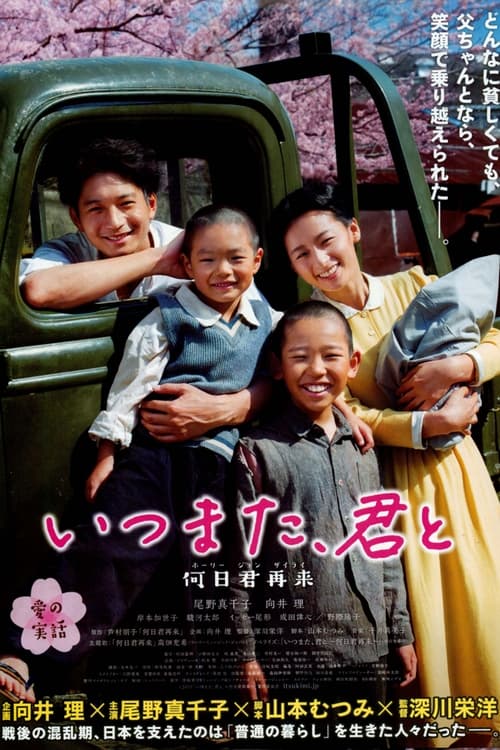
When Will You Return? operates as a traditional period drama that prioritizes historical realism and familial sentimentality. The narrative focuses on preserving memory and the endurance of the traditional family unit. The film does not aim to disrupt social or identity-based hierarchies. Instead, it explores the emotional resonance of a lifelong partnership and the weight of historical experience through a domestic lens. While the film offers deep insight into a specific cultural era, it lacks the diversity of identity or the subversion of social norms necessary for a higher score.
Category Breakdown
The film centers on a heterosexual relationship between Tomoko and Goro. It does not include any queer narratives or non-cisgender identities, reinforcing traditional romantic archetypes.
The story follows a traditional domestic drama structure centered around a lifelong marriage. The female lead's role is tied to her position as a matriarch and keeper of family memories.
Set against the backdrop of the Pacific War, the film portrays a culturally homogeneous Japanese cast. It focuses on a specific ethnic experience without incorporating multicultural casting or diverse roles.
The narrative emphasizes family legacy and the challenges faced during the post-war era. It highlights traditional family continuity and resilience without critiquing social or cultural institutions.
The plot revolves around Tomoko's struggle with an unspecified illness. It is unclear whether the illness is portrayed in a nuanced manner or simply serves as a catalyst for the character's development.
Present on Screen
Limited or Absent
Official Synopsis
Tomoko Ashimura types on a computer her memory of her late husband Goro, but Tomoko Ashimura succumbs to a disease. On behalf of Tomoko Ashimura, her grandchild Osamu collects Tomoko’s memoirs. He learns about the love between his grandparents for the past 50 years and the difficult life they faced during and after the Pacific War.
2010
1991
1997

1955
2017

2015
1947
1946
No reviews yet. Be the first to share your thoughts on this movie!
Use the rating form above to leave a star rating and optional review.