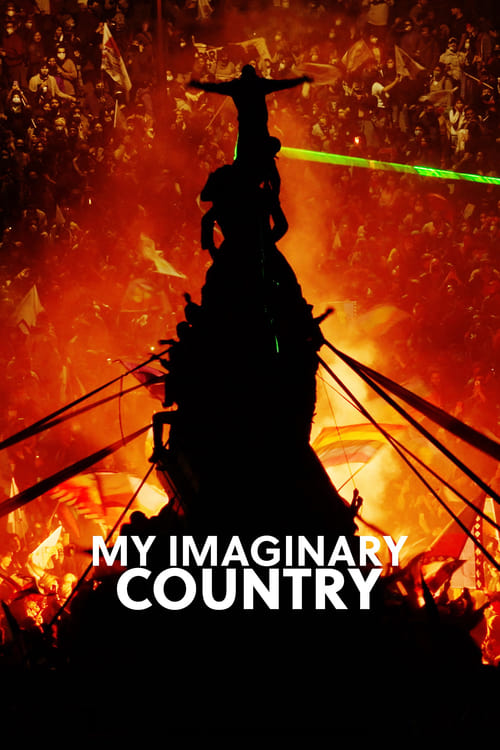
My Imaginary Country
2022
No user ratings available yet
Diversity score: 6.4 out of 10

2002
TV-GDirector
Steve York
Runtime
56 minutes
Average Rating
No ratings yetSynopsis
A student group called Otpor! ("Resistance!" in Serbian) forms part of the nonviolent opposition movement that toppled the regime of Slobodan Milosevic.
Overall Score
Good
Category Breakdown
LGBTQ+ Representation
The film lacks explicit evidence of queer narratives or LGBTQ+ characters. It maintains a neutral baseline, focusing instead on macro-level geopolitical shifts.
Gender Representation
The Otpor! movement disrupts patriarchal hierarchies by favoring decentralized, student-led resistance over traditional masculine military leadership. This structure subverts conventional models of authority.
Racial & Ethnic Diversity
The narrative centers on the Serbian struggle against the Milosevic regime. It emphasizes ethnic self-determination and the agency of non-state actors against an oppressive state.
Religious & Cultural Diversity
The film celebrates anti-authoritarianism and non-traditional social organization. It portrays established state institutions as corrupt, prioritizing collective social justice over nationalistic structures.
Disability Representation
There is no specific evidence regarding the portrayal of physical disabilities or neurodivergence. The score reflects a neutral baseline for this category.
Strengths
Areas for Improvement
AI Analysis
Bringing Down a Dictator is a study of systemic disruption. It succeeds by portraying how a marginalized social group can reclaim agency to dismantle a centralized power structure. The film moves away from individualist hero narratives to highlight collective action. The documentary's strength lies in its focus on the Otpor! movement. By centering grassroots resistance, the film challenges traditional notions of political legitimacy and emphasizes the power of non-institutionalized social change. While the film excels in cultural and structural representation, it remains neutral regarding individual identity politics like gendered character arcs or LGBTQ+ narratives. It prioritizes the macro-level struggle of a movement over specific personal identities.
2022
2017

2013
2013
2000

2009
2020
2010

2004
2012

2007

2014
No reviews yet. Be the first to share your thoughts on this movie!
Use the rating form above to leave a star rating and optional review.