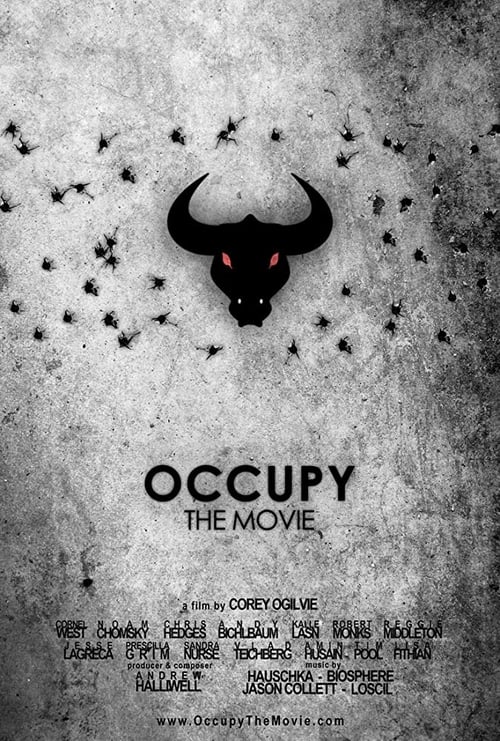
Occupy: The Movie
2013
No user ratings available yet
Representation score: 8.8 out of 10
Representation Score
Excellent
2000
Not RatedDirector
Jill Friedberg, Rick Rowley
Runtime
72 minutes
Average Rating
No ratings yetNew Showbiz Analysis
This documentary employs a decentralized filmmaking approach, using 100 amateur camera operators to challenge traditional journalistic hierarchies. This participatory method shifts the focus from elite decision-makers to a grassroots collective. The film excels at providing a systemic critique of global capitalism and deconstructing institutional authority. It presents the protest movement as a diverse, multi-ethnic coalition resisting centralized power structures. However, the work lacks depth regarding individual identity markers. While it captures a broad spectrum of people, it does not provide specific narratives for LGBTQ+ or disability-focused advocacy.
Category Breakdown
The film highlights diverse protests but does not focus on specific LGBTQ+ stories or non-cisgender representations. Instead, it emphasizes broader political critiques and mass mobilization efforts.
The film centers on the ability to act of the masses, challenging traditional 'great man' historical narratives. However, it does not explicitly explore specific gender-based power dynamics or the subversion of masculinity.
The documentary showcases a coalition of multi-ethnic protesters united against a centralized institution. This diverse group serves as a symbol of multi-layered solidarity against centralized power structures.
The film offers a strong critique of neoliberal capitalism and Western institutional power. It celebrates anti-authoritarianism and the reclaiming of democratic ability to act against corporate and political elites.
The narrative focuses on the collective movement and physical chaos of street protests. There is no specific mention of neurodivergent individuals or visible disability advocacy.
Present on Screen
Limited or Absent
Official Synopsis
This film, shot by 100 amateur camera operators, tells the story of the enormous street protests in Seattle, Washington in November 1999, against the World Trade Organization summit being held there. Vowing to oppose, among other faults, the WTO's power to arbitrally overrule nations' environmental, social and labour policies in favour of unbridled corporate greed, protestors from all around came out in force to make their views known and stop the summit. Against them is a brutal police force and a hostile media as well as the stain of a minority of destructively overzealous comrades. Against all odds, the protesters bravely faced fierce opposition to take back the rightful democratic power that the political and corporate elite of the world is determined to deny the little people.
2013
2013

2013
2012
2004

1977
2013
2009
No reviews yet. Be the first to share your thoughts on this movie!
Use the rating form above to leave a star rating and optional review.