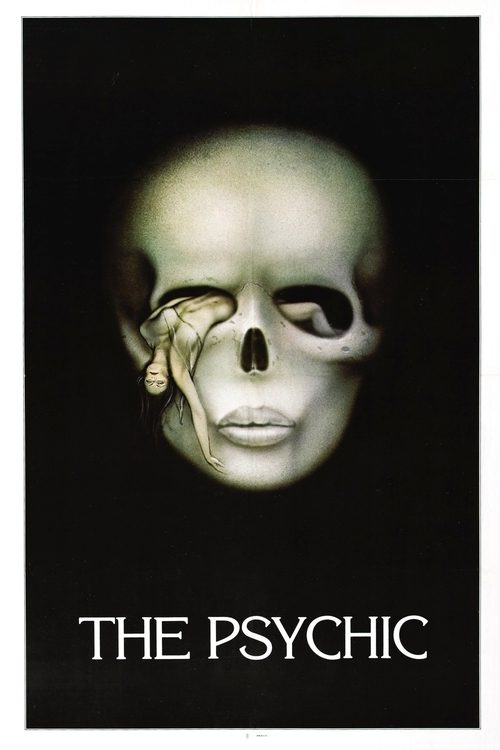
The Psychic
1977
No user ratings available yet
Representation score: 3.5 out of 10
Representation Score
Limited
1969
RDirector
Lucio Fulci
Runtime
108 minutes
Average Rating
No ratings yetNew Showbiz Analysis
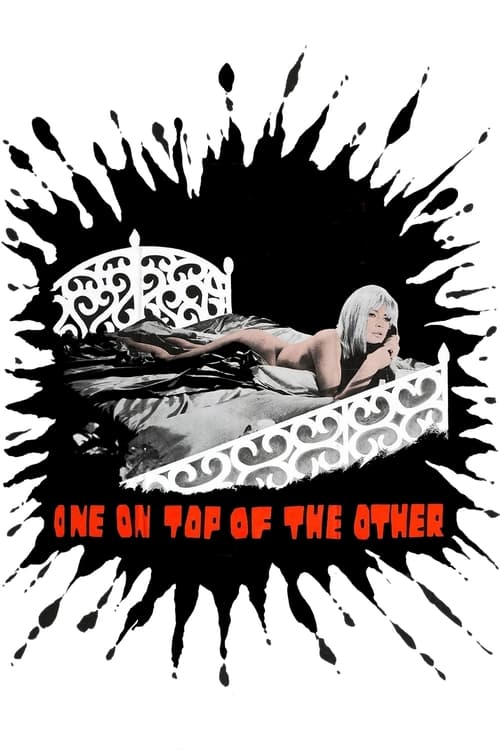
Lucio Fulci’s 1969 thriller focuses on a narrow character study centered on individual obsession and psychological decay. The film prioritizes the protagonist's mental dissolution over any meaningful exploration of social or systemic structures. While the narrative disrupts the idea of a stable male leader by showing a man losing control, it does so through the lens of pathology rather than gender critique. The female character remains an object of obsession rather than an active agent. Ultimately, the film operates within a homogeneous demographic, lacking the intentionality needed to challenge traditional power imbalances or advance diverse representation.
Category Breakdown
The film does not include any LGBTQ+ characters or explore non-straight relationships. The central conflict revolves around a man's obsession with a woman who resembles his deceased wife.
Gender roles are explored through a predatory male perspective that objectifies the female lead. Although the protagonist's mental breakdown disrupts traditional male leadership, power dynamics remain heavily skewed.
The cast is predominantly white and middle-class, with no evidence of racial diversity or inclusion of non-Anglo-Saxon identities.
The narrative engages with moral relativism through the protagonist's psychological alienation. It avoids traditional moralistic judgments but does not actively promote alternative secular or anti-Western ideologies.
Mental instability and psychological fragmentation drive the thriller elements. These conditions are used as plot devices rather than offering nuanced representation for neurodivergent individuals.
Present on Screen
Limited or Absent
Official Synopsis
A San Francisco doctor encounters a prostitute who bears a striking resemblance to his late wife.
1977

1971

1965
1976
1975

1961
1970
1973
No reviews yet. Be the first to share your thoughts on this movie!
Use the rating form above to leave a star rating and optional review.