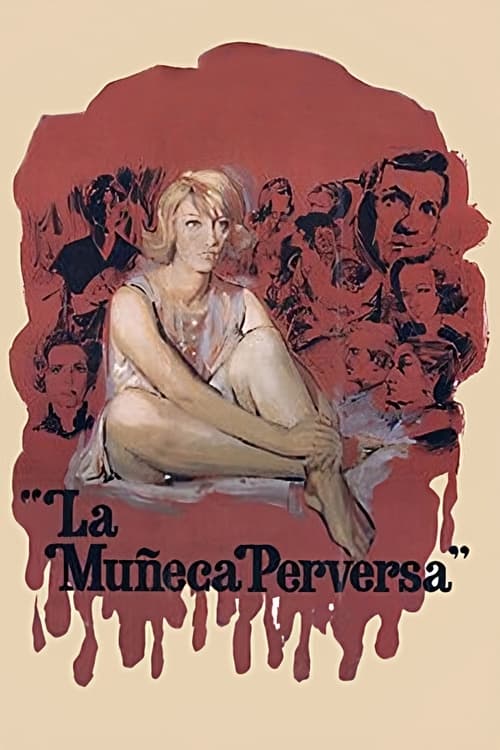
Perverse Doll
1969
No user ratings available yet
Representation score: 4.0 out of 10

Representation Score
Minimal
1966
NRDirector
J. Lee Thompson
Runtime
96 minutes
Average Rating
No ratings yetNew Showbiz Analysis
Eye of the Devil is a traditional psychological thriller that sticks to the social norms of its time. It focuses on individual obsession and supernatural elements rather than exploring diverse identities or modern power structures. The film stays true to its period setting, maintaining traditional approaches to gender and race. It focuses on character-driven stories within a well-established social framework, avoiding modern social commentary. Overall, the film lacks representation for LGBTQ+ identities and disabilities, and its portrayal of race and gender remains rooted in mid-20th century clichés.
Category Breakdown
The film centers on heterosexual relationships and psychological themes. It does not include any non-binary gender identities or challenge assumptions about heterosexuality.
The female lead has a strong internal life but her role is often defined by emotional instability rather than challenging traditional gender roles.
The cast is primarily white and European, set in 19th-century France. The film does not address ethnic diversity.
The story looks at the conflict between rational thinking and religious superstition. It shows how superstition can fuel communal fear within a traditional context.
There are no prominent portrayals of physical, sensory, or neurodivergent disabilities. None of these traits play a central role in the narrative.
Present on Screen
Limited or Absent
Official Synopsis
A French nobleman deserts his wife because of an ancient family secret.
1969
1969
1969
1977

1975
1961
1971
1959
No reviews yet. Be the first to share your thoughts on this movie!
Use the rating form above to leave a star rating and optional review.