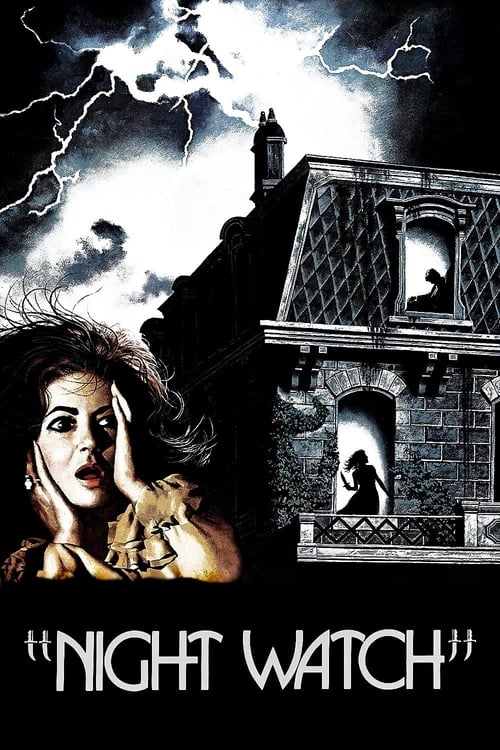
Night Watch
1973
No user ratings available yet
Representation score: 1.7 out of 10

Representation Score
Limited
1965
Not RatedDirector
John A. Bushelman
Runtime
94 minutes
Average Rating
No ratings yetNew Showbiz Analysis
Day of the Nightmare is a 1960s exploitation film that emphasizes genre clichés and sensationalism over social commentary. While the female lead actively investigates the crime, the film remains anchored in the traditional roles of its time. The narrative hinges on psychological horror, particularly through the use of mental health conditions to create suspense. This approach often prioritizes shock value over a respectful depiction of lived experiences. Overall, the film fails to provide meaningful characters who reflect more than one aspect of diversity, functioning primarily as a typical mystery-thriller of the era.
Category Breakdown
The film follows the conventions of 1960s genre cinema and does not depict non-cisgender gender identities or same-sex relationships.
The female protagonist takes a leading role in investigating the crime and risks her life, but her actions are framed within her traditional role as a wife.
The film features a predominantly white cast typical of 1965 horror movies, with no effort to include actors from diverse backgrounds.
The story centers on Western institutions such as psychiatry and law enforcement, without any obvious secular or anti-religious messages.
Multiple personality disorder drives the mystery, but the condition is used more for shock value than a nuanced exploration.
Present on Screen
Limited or Absent
Official Synopsis
A young wife's marriage begins to crumble after she's attacked by a knife-wielding woman whom the police believed was already dead.
1973
1972
1975

1970
1972

1961
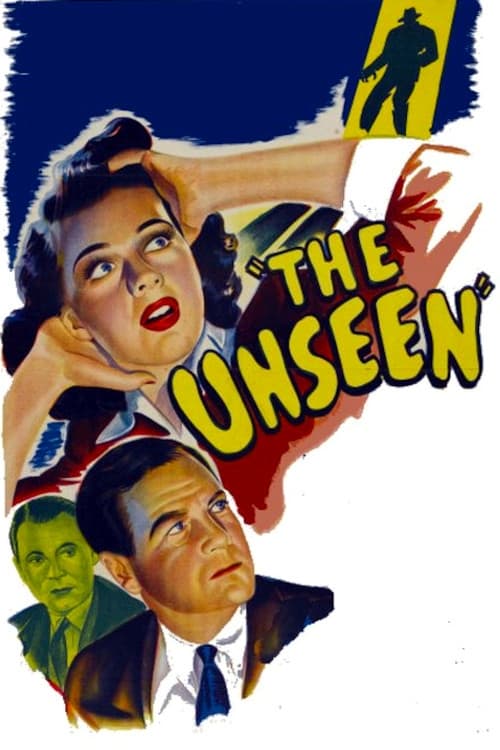
1945
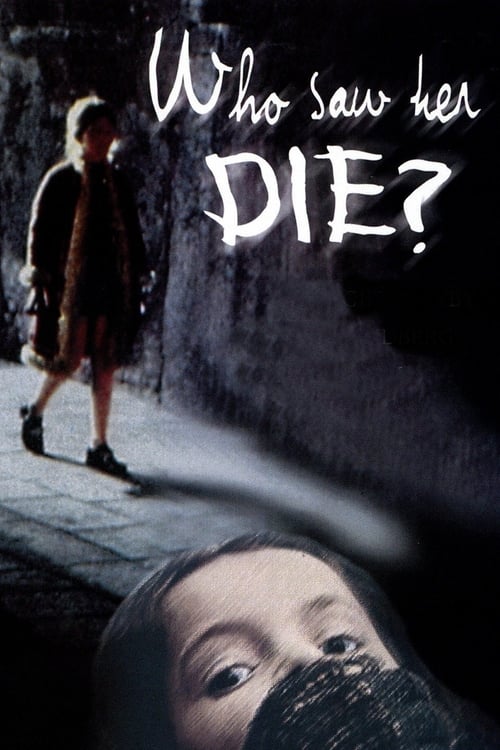
1972
No reviews yet. Be the first to share your thoughts on this movie!
Use the rating form above to leave a star rating and optional review.