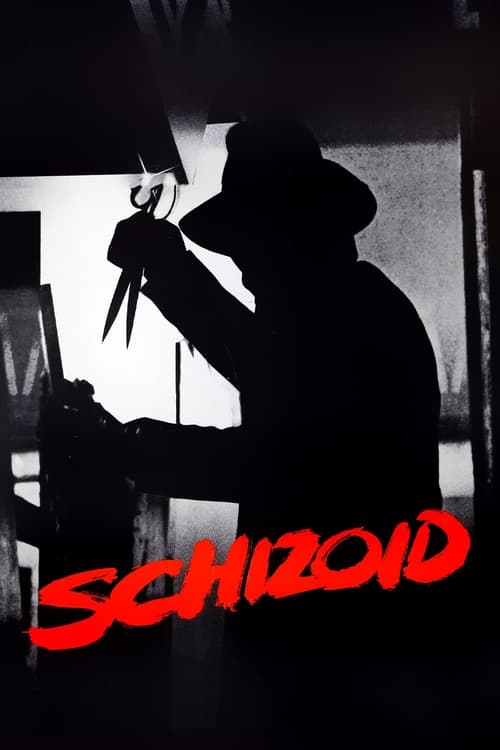
Schizoid
1980
No user ratings available yet
Representation score: 3.8 out of 10

Representation Score
Limited
1976
RDirector
Pete Walker
Runtime
109 minutes
Average Rating
No ratings yetNew Showbiz Analysis
Schizo is a character-driven film that emphasizes psychological horror over social critique. It adheres to the conventions of 1970s exploitation cinema, which often depend on traditional power structures to create tension. The film's structure reinforces existing power dynamics rather than challenging them. While it addresses themes of systemic vulnerability and patriarchal aggression, it does so through a lens of victimization and outdated portrayals of gendered violence. Ultimately, the film lacks the complexity of intersecting identities and intentional subversion of oppressive norms necessary for a progressive score. It reflects the era's focus on trauma and social transgression.
Category Breakdown
There are no identified LGBTQ+ characters or stories in the film. The plot revolves around the protagonist's heterosexual relationship and her struggle for safety.
Gender roles are portrayed through a predatory dynamic where men are shown as aggressors. The film focuses on the female protagonist's victimization rather than her empowerment.
The cast is primarily white and uniform, reflecting the gritty realism of 1970s Britain. There is no indication of diverse ethnic representation.
The film examines the breakdown of family stability through a horror lens. It portrays the family unit as fragile without offering a deeper ideological critique.
Mental instability is a key theme, but the protagonist is depicted as unreliable. Neurodivergence is presented as a source of vulnerability rather than part of her identity.
Present on Screen
Limited or Absent
Official Synopsis
A recently-married woman who has been labeled as mentally unstable, begins to suspect that someone close to her is the culprit in a sudden string of murders.
1980

1972
1967
1972
1969

1971

1993
1971
No reviews yet. Be the first to share your thoughts on this movie!
Use the rating form above to leave a star rating and optional review.