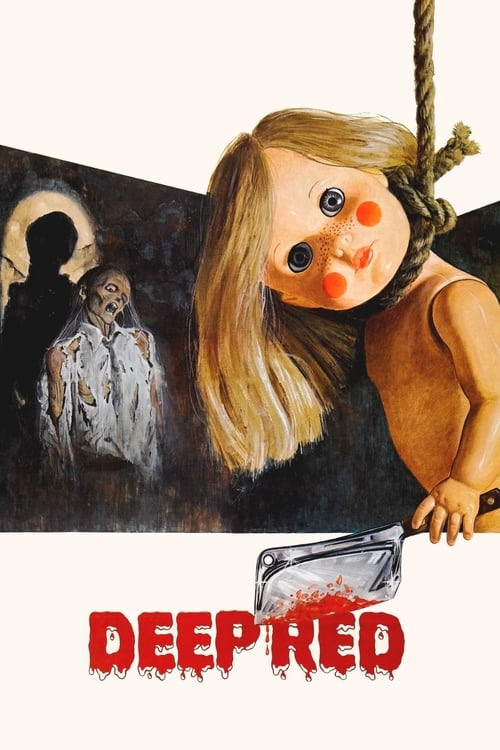
Deep Red
1975
No user ratings available yet
Representation score: 2.4 out of 10
Representation Score
Limited
1971
GPDirector
Dario Argento
Runtime
112 minutes
Average Rating
No ratings yetNew Showbiz Analysis
Dario Argento’s thriller prioritizes stylized visual language and psychological tension over social advocacy. The film functions as a study of voyeurism and perception rather than a vehicle for storytelling that reflects multiple aspects of identity. The narrative reinforces traditional demographic and gender hierarchies. While the inclusion of a blind character provides a degree of ability to act, the film remains rooted in the genre clichés of the early 1970s. Ultimately, the work operates within a homogeneous urban Italian landscape, lacking significant racial, ethnic, or LGBTQ+ representation.
Category Breakdown
The film does not include any LGBTQ+ characters or storylines. It follows traditional romantic or predatory dynamics typical of early 1970s European thrillers.
A male journalist drives the plot, while female characters often serve as mysteries or victims. Some women play significant roles within the conspiracy but largely follow established genre archetypes.
Set in Rome, the film features a predominantly white, European cast. The narrative does not incorporate racial or ethnic diversity as a central theme or utilize non-white protagonists.
The story focuses on psychological instability and the unreliability of perception. It avoids overt critiques of Western institutions like capitalism or religion, treating skepticism as a stylistic mystery element.
A blind character serves as a specialized puzzle-solver, providing them who play a significant role in driving the story. However, the portrayal relies on genre clichés regarding the mysterious nature of disabled characters.
Present on Screen
Limited or Absent
Official Synopsis
A newsman works with a blind puzzle-solver to uncover a deadly conspiracy linked to a genetic research facility.
1975
1971

1970

1973

1982

1987

2001

1971
No reviews yet. Be the first to share your thoughts on this movie!
Use the rating form above to leave a star rating and optional review.