
The Oracle
1985
No user ratings available yet
Representation score: 1.7 out of 10
Representation Score
Limited
1958
NRDirector
Robert Day
Runtime
78 minutes
Average Rating
No ratings yetNew Showbiz Analysis
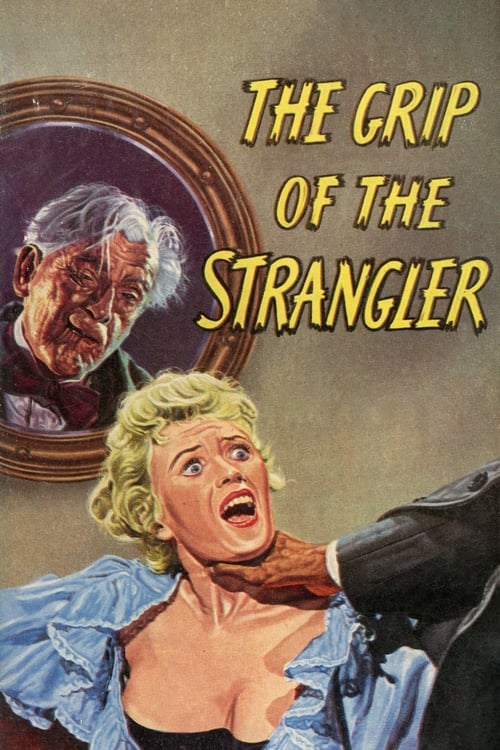
Grip of the Strangler adheres closely to the cinematic and social norms of the late 1950s. The narrative centers on traditional crime genre tensions rather than challenging social structures or identity politics. The film lacks multi-layered representation, favoring a homogeneous cast and conventional gender roles. Characters generally serve to advance a standard mystery or horror framework rather than to challenge existing social norms. Ultimately, the film functions as a typical thriller of its time, prioritizing genre conventions over diverse or nuanced character studies.
Category Breakdown
The film does not include any LGBTQ+ characters or stories that go beyond the assumption that everyone is straight. It follows the conventions typical of 1958 British crime cinema.
Women in the film tend to have minor roles, often appearing as victims or domestic figures. Men drive the plot and play central roles within traditional crime genres.
The cast is predominantly Anglo-Saxon, reflecting the era's preference for homogeneous ensembles. There is no indication of a diverse cast or actors playing roles outside their traditional backgrounds.
The story follows a standard Western crime narrative focused on solving mysteries and upholding justice. It adheres to the social norms of the late 1950s.
While the plot touches on psychological obsession, there is no portrayal of neurodivergence or physical disabilities with depth. These elements are used primarily as horror plot devices.
Present on Screen
Limited or Absent
Official Synopsis
A researcher investigating a notorious serial killer who was hanged 20 years earlier seemingly becomes possessed by the long dead strangler.
1985
1979

1974

1966

1969

1946

1989
1977
No reviews yet. Be the first to share your thoughts on this movie!
Use the rating form above to leave a star rating and optional review.