The Girl Who Knew Too Much
1963
No user ratings available yet
Representation score: 2.8 out of 10
Representation Score
Limited
1972
Not RatedDirector
Aldo Lado
Runtime
94 minutes
Average Rating
No ratings yetNew Showbiz Analysis
Who Saw Her Die? is a conventional 1970s giallo that emphasizes psychological suspense and mystery mechanics over social disruption. The narrative is centered on a male protagonist's descent into obsession, creating a hierarchy where female characters have limited roles and the setting remains culturally homogeneous. Ultimately, the work serves as a localized psychological study. It avoids broader discussions of racial plurality or systemic critique, focusing instead on individual neurosis and the breakdown of perception.
Category Breakdown
The film does not include any LGBTQ+ characters or stories involving queer identities. Relationships focus on traditional romance and obsession.
The story centers on a male protagonist's psychological journey. Female characters tend to be objects of obsession or catalysts for the male lead, rather than having their own goals and actions.
The cast is predominantly made up of Europeans set in Venice. An American character introduces a minor cultural contrast, but the film does not have diverse casting or varied identities.
The film shows a breakdown of investigative certainty and institutional stability. However, it focuses on individual neurosis rather than a systemic critique of Western values.
Themes of psychological instability and mental erosion drive the thriller's tension. These elements function as plot devices rather than detailed explorations of mental health issues.
Present on Screen
Limited or Absent
Official Synopsis
Between a four-year gap in the murder of a young girl, the daughter of a well-known sculptor is discovered dead, and her parents conduct an investigation, only to discover they are in over their heads as the body-count keeps rising.
1963

1964

1975

1973
1972

1961
1972
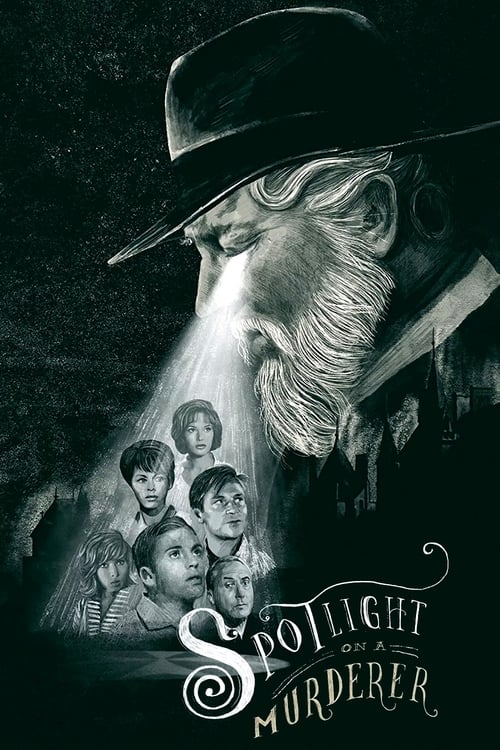
1961
No reviews yet. Be the first to share your thoughts on this movie!
Use the rating form above to leave a star rating and optional review.