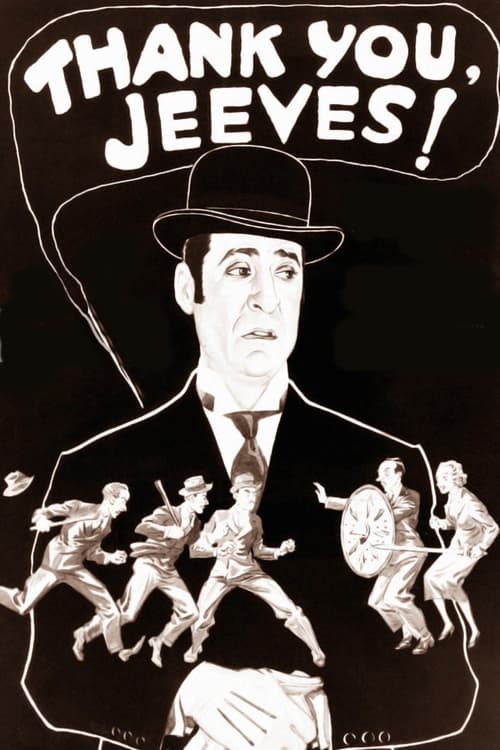
Thank You, Jeeves!
1936
No user ratings available yet
Diversity score: 1.1 out of 10

1941
Runtime
83 minutes
Average Rating
No ratings yetSynopsis
Classic comedy starring Arthur Askey. The perils, humiliations and humour of trying to run a second-rate theatrical company are further compounded when financial aid, given by the former famous music-hall star Lady Randall (Lily Morris), is withdrawn. Not to be defeated, the stars decide the show must go on and devise a plan to persuade her to reinvest
Overall Score
Minimal
Category Breakdown
LGBTQ+ Representation
The film adheres to the heteronormative standards of 1940s British cinema. There is no evidence of non-cisnormative gender identities or same-sex intimacy within the narrative.
Gender Representation
Female characters like Lady Randall hold positions of financial influence. However, these roles function within traditional social structures rather than actively subverting established gender hierarchies.
Racial & Ethnic Diversity
The production reflects the demographic homogeneity of early 1940s British comedy. The cast and setting present a largely Anglo-Saxon environment without racial blending.
Religious & Cultural Diversity
The story emphasizes community spirit and traditional Western social values. It focuses on local cooperation and maintaining social order within a village setting.
Disability Representation
There is no discernible focus on neurodivergence or physical disabilities. Characters are presented through standard comedic archetypes without characters with disabilities holding central agency.
Strengths
Areas for Improvement
AI Analysis
I Thank You is a quintessential piece of 1940s escapist comedy that prioritizes communal stability and established social norms. The film functions as a conventional genre piece, reinforcing the social hierarchies of its era rather than challenging them. While the plot features women in positions of financial power, the narrative remains rooted in traditional gender roles. The setting and cast reflect a homogeneous Anglo-Saxon environment typical of the period's British musical comedies.
1936
1947

1944
1946
1934
1937
1947
1974
1939
1952
1936

1945
No reviews yet. Be the first to share your thoughts on this movie!
Use the rating form above to leave a star rating and optional review.