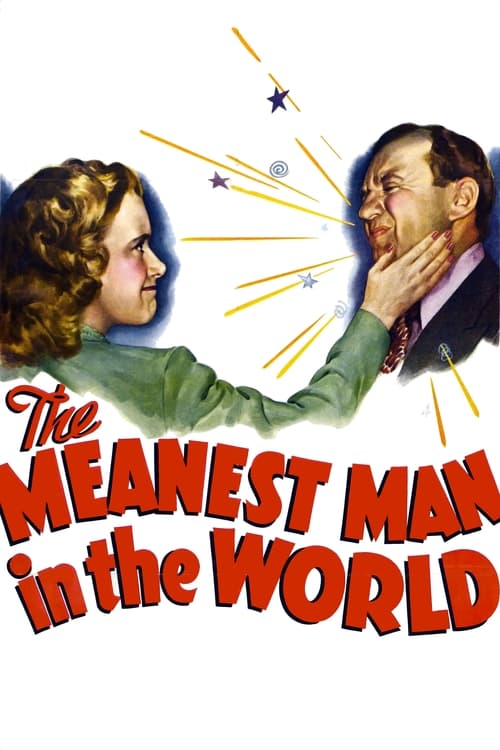
The Meanest Man in the World
1943
No user ratings available yet
Diversity score: 2.2 out of 10

1939
NRDirector
George Marshall, Edward F. Cline
Runtime
76 minutes
Average Rating
No ratings yetSynopsis
Fields plays "Larsen E. Whipsnade", the owner of a shady carnival that is constantly on the run from the law. Whipsnade is struggling to keep a step ahead of foreclosure, and clearly not paying his performers, including Bergen and McCarthy, who try to coax money out of him, or in McCarthy's case, steal some outright.
Overall Score
Limited
Category Breakdown
LGBTQ+ Representation
The film contains no discernible LGBTQ+ characters or non-cisnormative identities. The romantic framework follows standard heteronormative comedic pairing tropes typical of the era.
Gender Representation
Joan Blondell’s character provides spirited agency by engaging in a battle of wits with the protagonist. However, the narrative ultimately seeks a conventional romantic equilibrium that maintains traditional gender hierarchies.
Racial & Ethnic Diversity
The cast and setting lack significant racial or ethnic diversity. The story focuses on socioeconomic divides through a largely homogeneous lens, reflecting 1939 Hollywood casting norms.
Religious & Cultural Diversity
The film serves as escapist entertainment, using con artistry as a comedic device. It avoids systemic critiques of capitalism or religion, focusing instead on lighthearted social comedy.
Disability Representation
There is no visible or invisible disability representation in the narrative. No characters are depicted with physical disabilities, neurodivergence, or chronic health conditions.
Strengths
Areas for Improvement
AI Analysis
This 1939 comedy is a quintessential product of the studio system, prioritizing escapist genre tropes over diverse representation. While it offers a slight subversion of female passivity through its spirited female lead, it fails to challenge broader systemic hierarchies. The film's focus remains on socioeconomic conflict and comedic justice within a homogeneous social framework. It lacks intentionality regarding marginalized identities, functioning as a traditional social comedy rather than a progressive narrative.
1943
1951
1947
1935
1939
1924
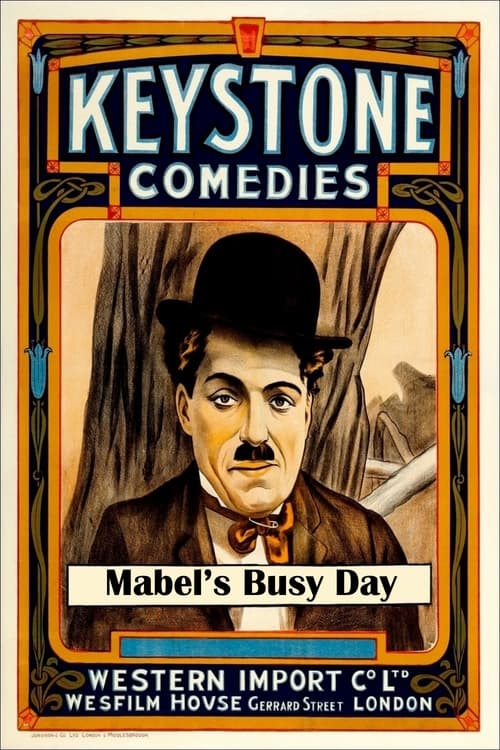
1914
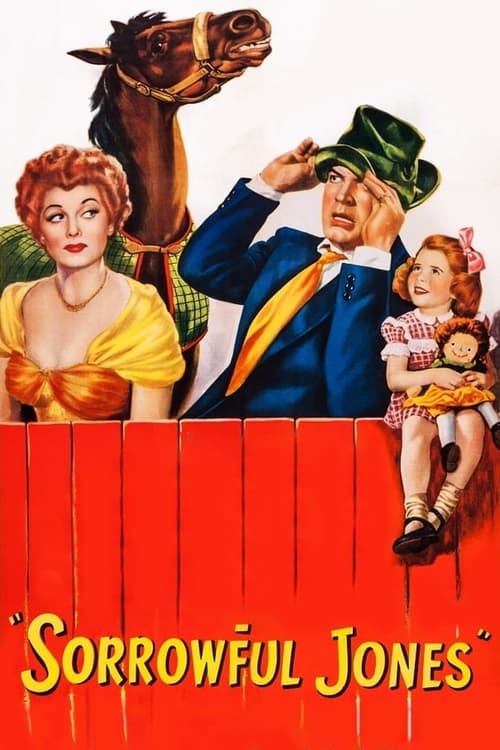
1949
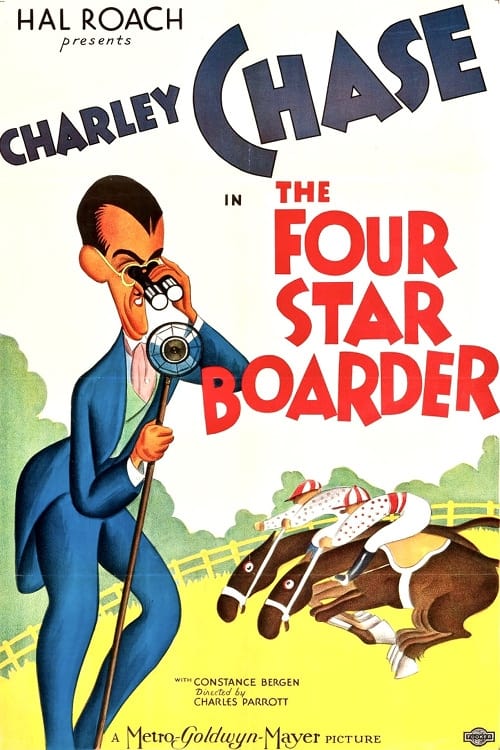
1935

1937
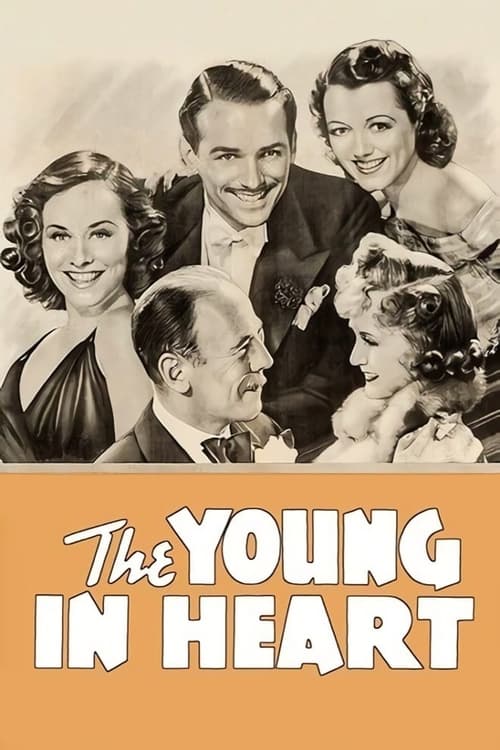
1938
1945
No reviews yet. Be the first to share your thoughts on this movie!
Use the rating form above to leave a star rating and optional review.