Rhythm and Weep
1946
No user ratings available yet
Representation score: 2.6 out of 10
Representation Score
Minimal
1947
PassedDirector
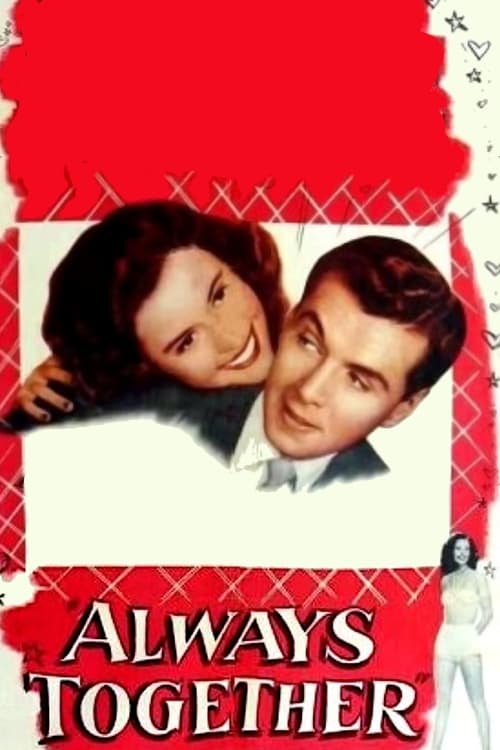
Frederick de Cordova
Runtime
78 minutes
Average Rating
No ratings yetNew Showbiz Analysis
Always Together is a traditional studio comedy that adheres to the conservative social and narrative frameworks of the late 1940s. The film relies on conventional formulas, focusing on wealth transfer and personal fortune rather than challenging social norms. Representation is limited, reinforcing existing power hierarchies, particularly regarding gender and wealth, while excluding diverse racial, ethnic, or LGBTQ+ perspectives. It serves as a product of the homogeneous Hollywood studio system of its time.
Category Breakdown
The film doesn't show any non-binary gender identities or same-sex relationships. It follows the typical heterosexual and cisgender-focused storylines common in 1947 movies.
Although a young woman drives the plot with her movie star obsession, the story mainly revolves around a male tycoon's control over money. The conflict centers on a man regaining his established power.
The film seems to follow the era's standard of depicting predominantly white social structures. There is no indication of a non-white majority cast or diverse ethnic representation.
The themes focus on individual wealth and the importance of the tycoon figure. The narrative upholds traditional mid-century American values concerning private property and inheritance.
An illness is used solely as a plot device to trigger the inheritance storyline. It doesn’t provide a deeper look into disability or the experiences of those living with it.
Present on Screen
Limited or Absent
Official Synopsis
An old millionaire, who believes he's dying, bequeaths his fortune to a young woman with a fanatical obsession with movie stars. But then the elderly tycoon recovers from his illness and decides he wants his money back. Comedy most notable for its numerous unbilled cameos by Warner Bros. actors.
1946

1934

1951
1926
1932
1937
1940
1940
No reviews yet. Be the first to share your thoughts on this movie!
Use the rating form above to leave a star rating and optional review.