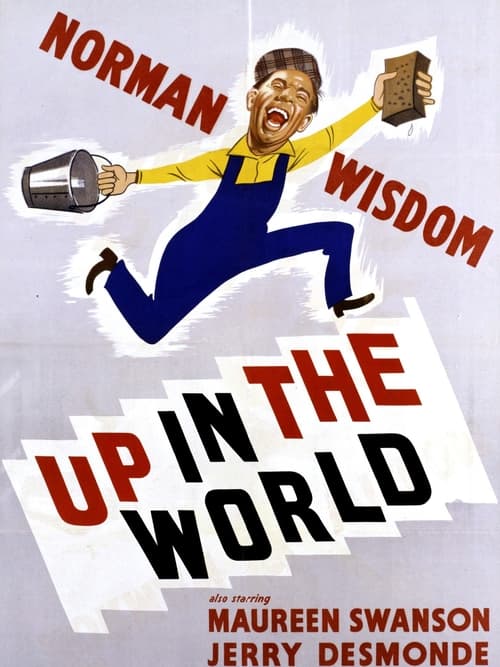
Up in the World
1956
No user ratings available yet
Diversity score: 2.6 out of 10
1952
NRDirector
John Paddy Carstairs
Runtime
79 minutes
Average Rating
No ratings yetSynopsis
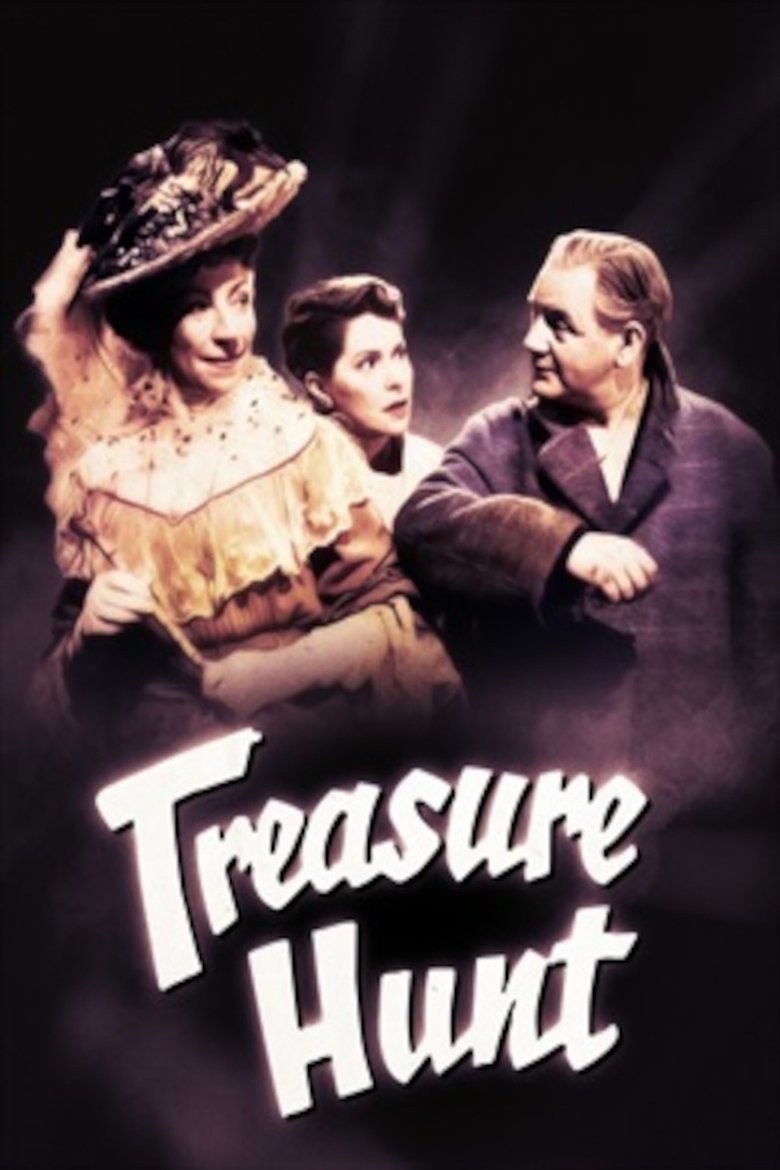
Short of money the owners of Ballyroden Hall must attempt to run it as a guest house, but not everyone is happy about the plan.
Overall Score
Limited
Category Breakdown
LGBTQ+ Representation
The film lacks any depiction of non-heteronormative identities. The narrative focuses strictly on traditional familial structures and the preservation of ancestral property.
Gender Representation
Female characters like Aunt Anna Rose and Consuelo show individual agency through their comedic sabotage. However, roles primarily serve the farce within established mid-century gender hierarchies.
Racial & Ethnic Diversity
The story centers on an Irish ancestral estate and Anglo-Irish social class. The cast reflects a homogeneous social landscape with no non-white characters present.
Religious & Cultural Diversity
The film reinforces traditional Western institutions and the sanctity of the landed estate. It explores the tension between aristocratic dignity and the pragmatic necessity of capitalism.
Disability Representation
Characters are defined by comedic eccentricity rather than neurodivergence or physical disability. These traits function as era-specific tropes rather than meaningful portrayals of disability.
Strengths
Areas for Improvement
AI Analysis
Treasure Hunt is a quintessential mid-century British farce that prioritizes class-based comedy over social critique. The narrative architecture remains rooted in the preservation of the status quo and traditional domestic disruption. The film presents a homogeneous portrait of the landed gentry, focusing on the internal dynamics of an Irish estate. It does not seek to disrupt social hierarchies or challenge the prevailing cultural norms of the 1950s. Ultimately, the work functions as a lighthearted exploration of class preservation. It offers a narrow view of identity, adhering to the conventional social strata of its time.
1956
1951

1935

2015
1937

1962
1953

1957
1943
1936
1934
1945
No reviews yet. Be the first to share your thoughts on this movie!
Use the rating form above to leave a star rating and optional review.