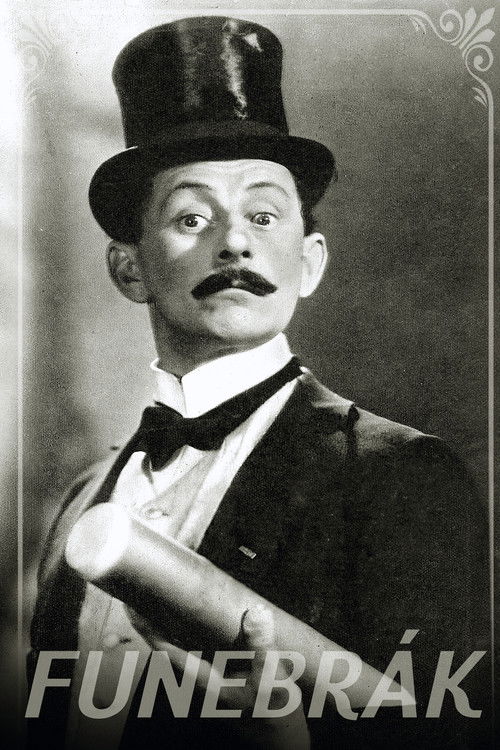
The Undertaker
1932
No user ratings available yet
Representation score: 3.2 out of 10
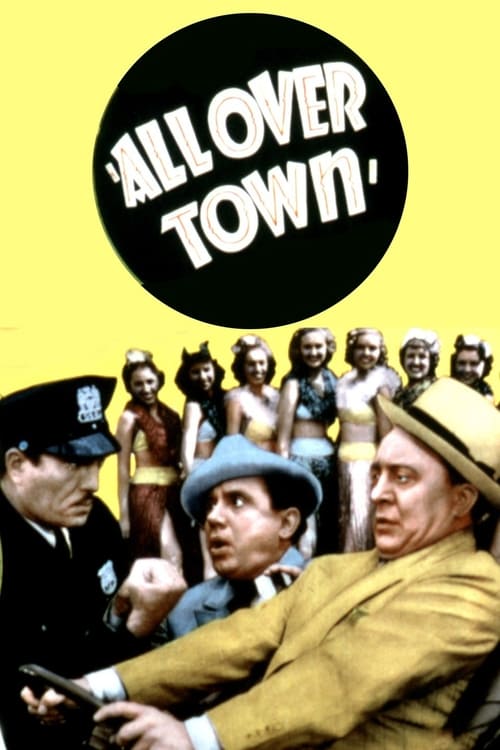
Representation Score
Limited
1937
PassedDirector
James W. Horne
Runtime
63 minutes
Average Rating
No ratings yetNew Showbiz Analysis
All Over Town is a traditional comedic farce that prioritizes vaudevillian clichés and physical gags over social commentary. The film uses the 'haunted theater' motif to create energetic and absurd situations rather than to question systemic power structures. Given the production's adherence to the cinematic constraints of 1937, it follows the era's standard casting and social norms. The narrative structure emphasizes the professional pursuit of staging a show, reinforcing established comedic rhythms rather than disrupting social hierarchies. Ultimately, the film serves as a period-specific comedy that lacks innovative approaches to diversity, favoring conventional representations and traditional theatrical structures.
Category Breakdown
The film follows the conventional social norms of 1937. There is no evidence of non-binary gender identities or narratives that question the assumption that everyone is straight.
The story likely relies on traditional gender roles typical of vaudeville-style comedy. There is no indication of challenging gender hierarchies or elevating the intelligence of female characters.
Casting likely reflects the demographic uniformity common in mainstream Hollywood during this period. The film adheres to the era's standard casting norms without diverse ensemble players.
The story prioritizes traditional comedic resolution and professional achievement. There is no evidence of critiques regarding Western institutions, secularism, or anti-capitalist sentiment.
Physical comedy in this era often bordered on the caricature of physical vulnerability. There is no evidence of neurodivergent representation or characters with disabilities having significant control over their stories.
Present on Screen
Limited or Absent
Official Synopsis
Two vaudevillian comedians try to stage a show in a theatre that has a reputation for being being haunted.
1932
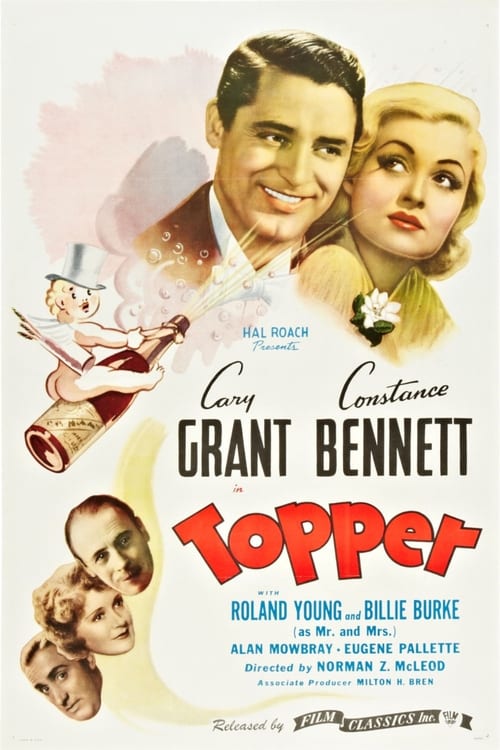
1937
1949
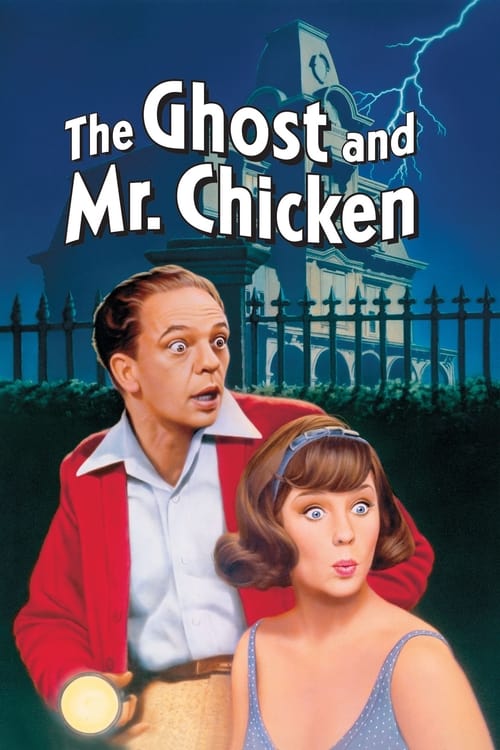
1966
1937
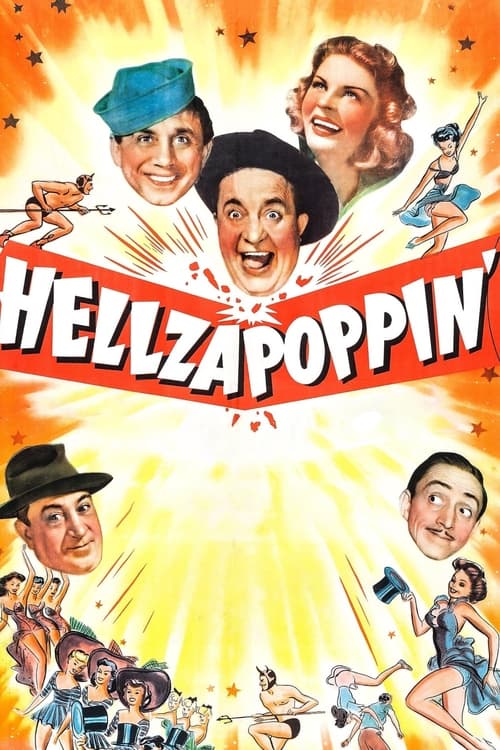
1941
1941
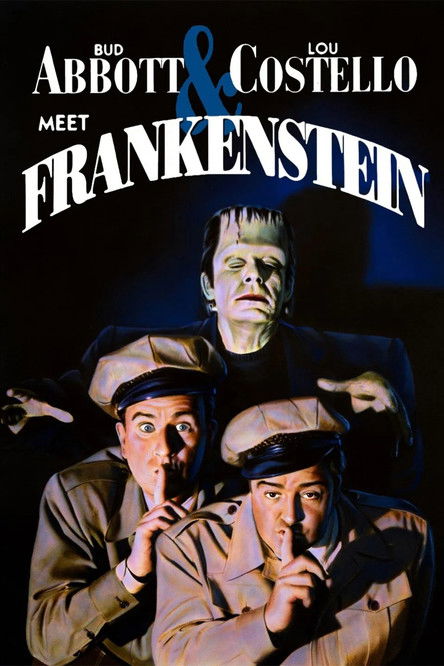
1948
No reviews yet. Be the first to share your thoughts on this movie!
Use the rating form above to leave a star rating and optional review.