By Jeeves
2001
No user ratings available yet
Representation score: 1.1 out of 10
Representation Score
Minimal
1936
NRDirector
Arthur Greville Collins
Runtime
57 minutes
Average Rating
No ratings yetNew Showbiz Analysis
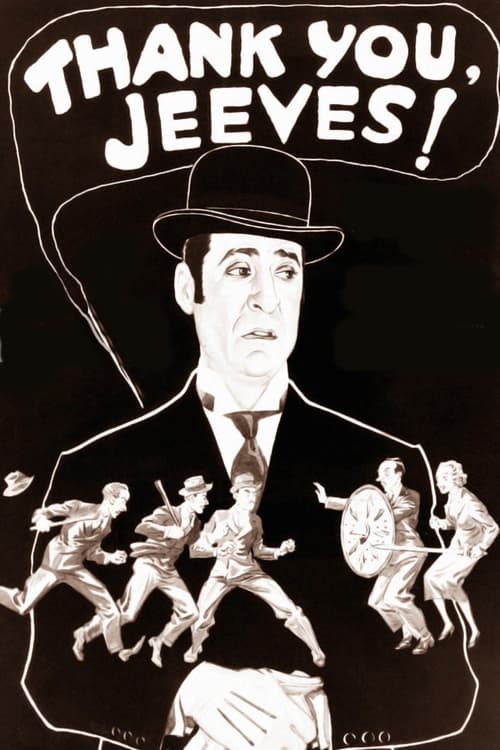
Thank You, Jeeves! accurately reflects the social structures of early 20th-century Britain. It serves as a classic example of its time, reinforcing established social hierarchies through light-hearted comedy. The film lacks complexity in representing diverse identities and does not critique societal norms. Instead of challenging familiar patterns, the narrative relies on traditional gender roles and class stability to drive its humor. Ultimately, the work entertains through a lens of traditionalism, offering no significant representation of diverse identities or underrepresented groups.
Category Breakdown
The film adheres strictly to the gender and sexual norms of the 1930s. It centers on heterosexual relationships and does not depict any non-binary gender identities.
Female characters mainly serve as romantic interests or authoritative mothers. Male characters, especially the valet Jeeves, take on more intellectual roles and navigate social mishaps.
The cast is predominantly white and Anglo-Saxon. The film portrays a homogeneous upper-class British society with little racial or ethnic diversity.
The narrative celebrates the British class system and traditional social norms. It upholds conventional social etiquette and does not challenge existing social structures.
Characters are portrayed as fully able-bodied with no depiction of physical or neurodivergent disabilities. Comedy revolves around social blunders rather than the lived experiences of disabled individuals.
Present on Screen
Limited or Absent
Official Synopsis
Jeeves tries to keep his young master out of trouble.
2001
1940
1939

1946
1937
1926
1936
1944
No reviews yet. Be the first to share your thoughts on this movie!
Use the rating form above to leave a star rating and optional review.