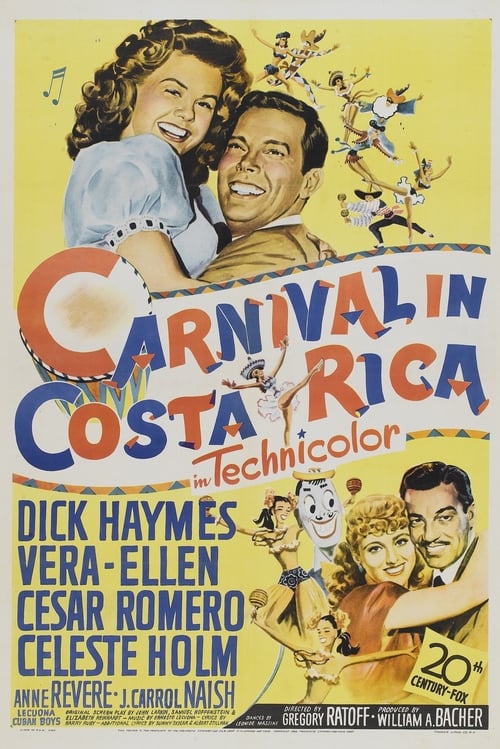
Carnival in Costa Rica
1947
No user ratings available yet
Diversity score: 3.4 out of 10
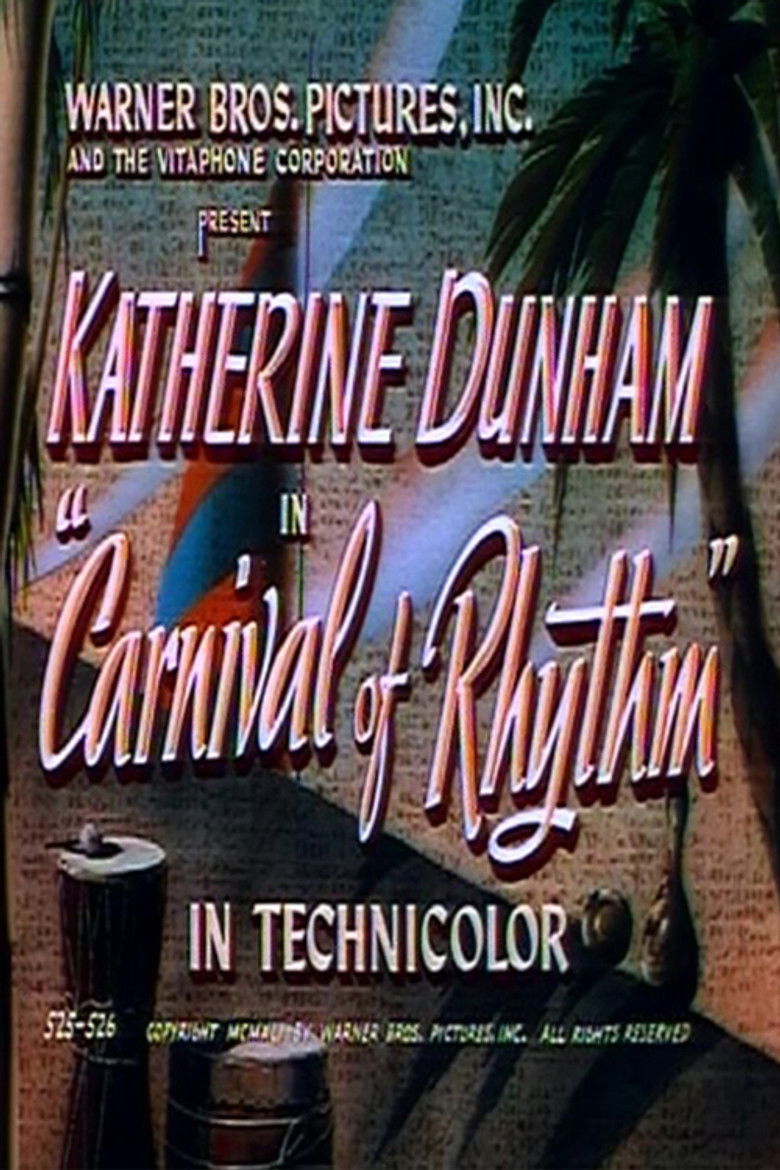
1941
PassedDirector
Stanley Martin
Runtime
18 minutes
Average Rating
No ratings yetSynopsis
A colorful music and dance tribute to the peasants and workers of Brazil.
Overall Score
Fair
Category Breakdown
LGBTQ+ Representation
The film lacks any visible representation of non-cisnormative identities or same-sex intimacy. It adheres to the strict heteronormative structures typical of 1941 cinema.
Gender Representation
There is little evidence that the film subverts traditional gender hierarchies. Female agency appears limited to aesthetic or performative roles within the musical tribute.
Racial & Ethnic Diversity
The film centers on the peasants and workers of Brazil, moving away from Western-centric casting. This focus provides meaningful inclusion of non-Anglo-Saxon ethnic identities.
Religious & Cultural Diversity
The narrative prioritizes communal folk traditions and the working class over Western institutional ideals. It celebrates collective identity through a musical lens.
Disability Representation
The film contains no mention of characters navigating physical, sensory, or neurodivergent experiences. There is no data to assess disability representation.
Strengths
Areas for Improvement
AI Analysis
Carnival of Rhythm serves as a musical tribute to the Brazilian working class, offering a notable departure from the Western-centric gaze common in 1940s filmmaking. By centering the lives and rhythms of Brazilian peasants, the film elevates ethnic and class identities that were often sidelined in mid-century studio productions. However, the film remains constrained by the social norms of its era. It lacks intersectional complexity, offering no visible LGBTQ+ representation and maintaining traditional gender roles. While it succeeds in cultural celebration, it lacks the political depth or diverse character agency found in modern cinema.
1947
1949
1995
1942
1948
1935

1952

1961
1964
1930

1969
2011
No reviews yet. Be the first to share your thoughts on this movie!
Use the rating form above to leave a star rating and optional review.