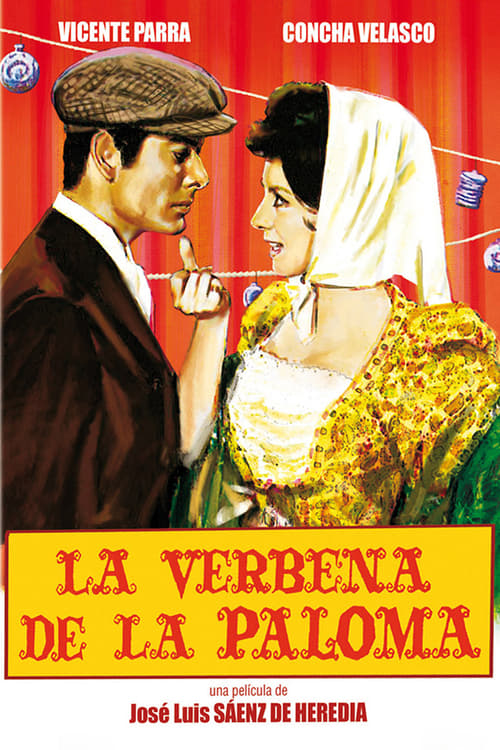
Fair of the Virgin of La Paloma
1963
No user ratings available yet
Diversity score: 2.7 out of 10
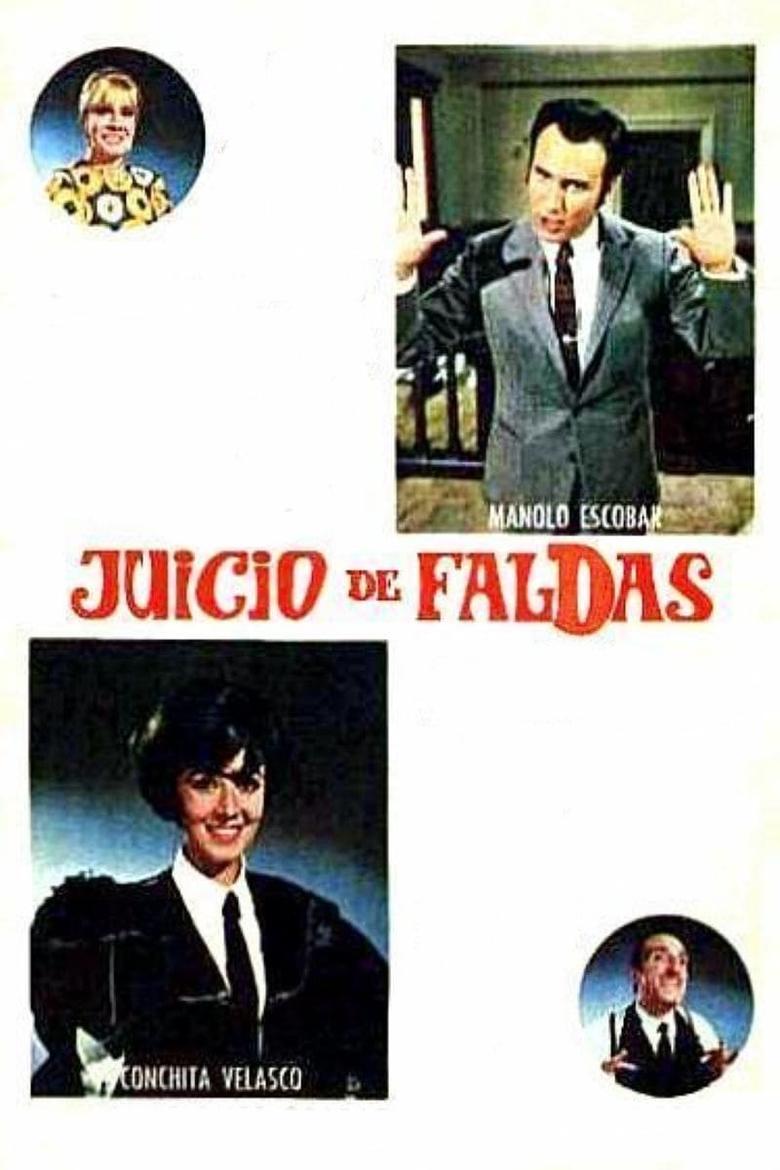
1969
Director
José Luis Sáenz de Heredia
Runtime
102 minutes
Average Rating
No ratings yetSynopsis
When truck driver Manolo is accused of a grave crime by a young woman from a nearby town, his fate hangs in the balance. Enter Marta—a sharp, determined lawyer whose brilliance quickly shatters his initial mistrust. As she digs through layers of small-town secrets and conflicting testimonies, Marta becomes convinced of Manolo’s innocence. But with circumstantial evidence stacked against him, the only way out is to uncover the real culprit—before the law forces a choice between prison or a marriage he refuses to accept.
Overall Score
Limited
Category Breakdown
LGBTQ+ Representation
The film operates within strict heteronormative constraints. There is no evidence of same-sex intimacy or non-cisnormative identities, as the plot centers on traditional romantic entanglements.
Gender Representation
Marta provides a nuanced disruption of gender hierarchies by serving as the story's intellectual driver. While her professional agency is impressive, the narrative remains tied to romantic resolutions.
Racial & Ethnic Diversity
The cast reflects a homogeneous, urban middle-class demographic typical of the era. It avoids Hollywood-style whitewashing but lacks a multi-ethnic or intersectional spectrum of Mexican life.
Religious & Cultural Diversity
The story adheres to traditional social morality and established institutions. It focuses on reputation and legal order rather than subverting secular or capitalist norms.
Disability Representation
There is no discernible focus on visible or invisible disabilities. Characters function within standard physical and neurotypical parameters common to the urban comedy genre.
Strengths
Areas for Improvement
AI Analysis
Juicio de faldas is a period-specific social comedy that finds its strength in its portrayal of female professional agency. Through Marta, the film presents a woman navigating a male-dominated legal landscape with intellect and determination. However, the film's progressive potential is limited by its adherence to 1960s social archetypes. The narrative remains anchored in traditional romantic structures and domestic norms, prioritizing established social hierarchies over systemic critique. Ultimately, while the film offers a capable female protagonist, it lacks the intersectional complexity or diverse representation required to move beyond the conventional standards of its era.
1963
1969
1963
1980

1968

1965
2016

2003
1966

2017

2014
1965
No reviews yet. Be the first to share your thoughts on this movie!
Use the rating form above to leave a star rating and optional review.