Gypsy Night
1935
No user ratings available yet
Diversity score: 3.7 out of 10
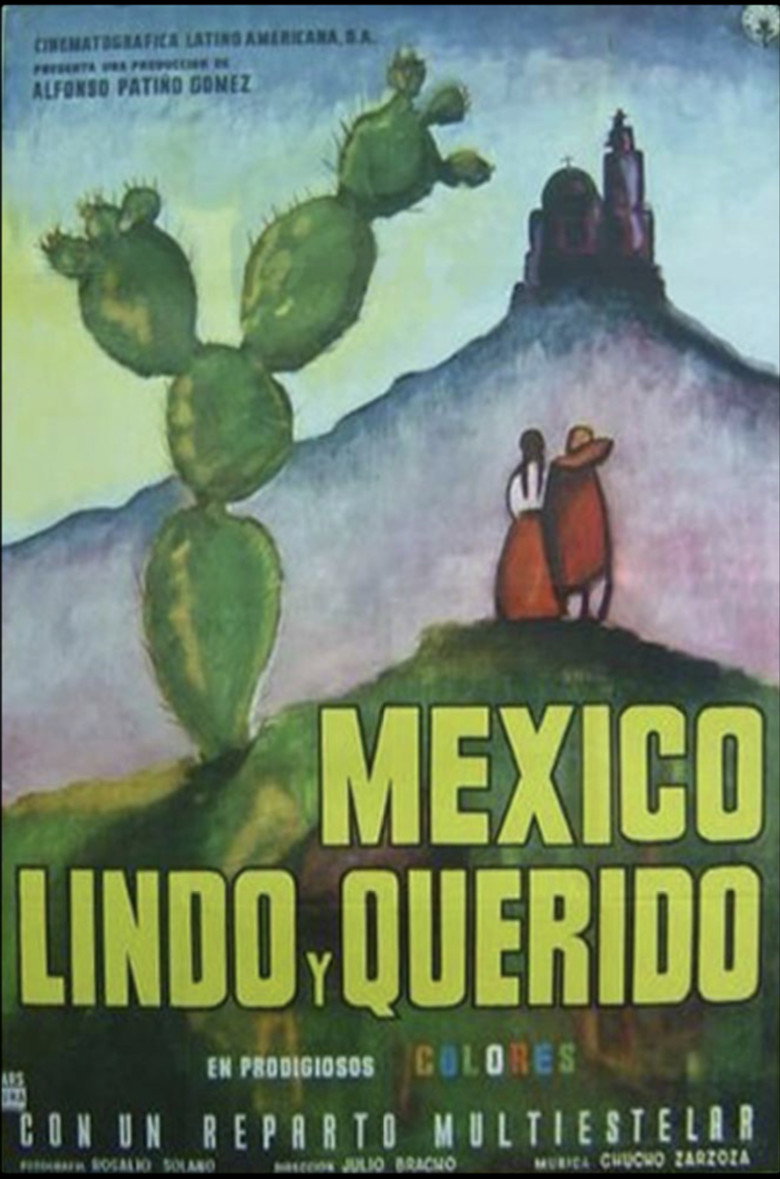
1961
Director
Julio Bracho
Runtime
90 minutes
Average Rating
No ratings yetSynopsis
Tourist's eye overview of some highlights of Mexican history and folk culture, all expressed through interpretive dance.
Overall Score
Limited
Category Breakdown
LGBTQ+ Representation
The film lacks LGBTQ+ characters or non-cisnormative identities. Romantic arcs focus on traditional heteronormative pairings that align with 1961 social expectations.
Gender Representation
Gender dynamics follow established romantic archetypes with clearly delineated masculine and feminine roles. The film relies on conventional courtship tropes rather than subverting patriarchal structures.
Racial & Ethnic Diversity
A predominantly Mestizo cast reflects the demographic reality of the era's mainstream cinema. It celebrates an idealized national identity without offering intersectional complexity.
Religious & Cultural Diversity
The narrative celebrates local folk culture and provincial life through a romanticized lens. Traditional values and community customs serve as a stabilizing, non-critical backdrop.
Disability Representation
There are no prominent depictions of physical or neurodivergent characters. The focus remains strictly on musical comedy and interpersonal town dynamics.
Strengths
Areas for Improvement
AI Analysis
Mexico lindo y querido serves as a cultural celebration of national identity rather than a tool for social deconstruction. It prioritizes the preservation of traditional social norms and provincial stability through its narrative architecture. While the film offers an authentic portrayal of the Mexican Mestizo identity of the 1960s, it avoids engaging with subversive or intersectional frameworks. The work functions as a study in cultural cohesion. Ultimately, the film reinforces the established social hierarchies and romantic archetypes of its time, presenting a romanticized view of the Mexican social fabric.
1935
1942

1972
1941
1992

1953
1946
1956
1980
1950
1966
1966
No reviews yet. Be the first to share your thoughts on this movie!
Use the rating form above to leave a star rating and optional review.