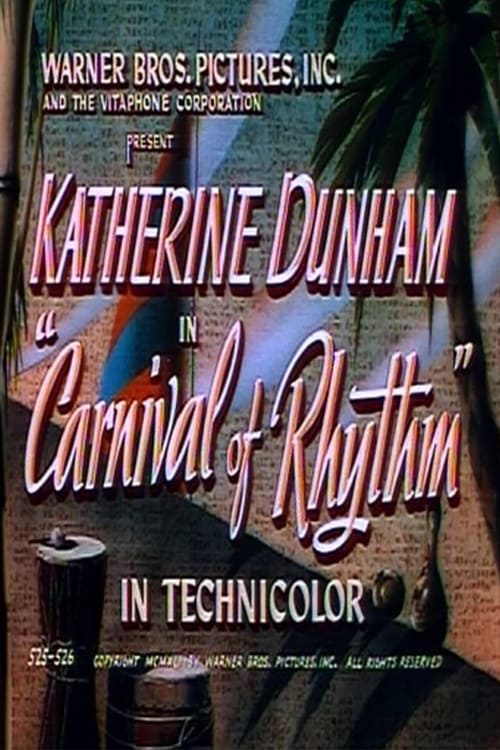
Carnival of Rhythm
1941
No user ratings available yet
Diversity score: 5.8 out of 10

1952
Director
Vladimír Vlček
Average Rating
No ratings yetSynopsis
A group of union members, impressed by the First World Festival of Democratic Youth, held in Prague in 1947, decide to found a dance troupe. However, they are looking for someone who can teach them everything they need...
Overall Score
Fair
Category Breakdown
LGBTQ+ Representation
The film lacks explicit mention of non-heteronormative identities. Given the 1952 setting and focus on union members, the narrative likely adheres to traditional social structures of the era.
Gender Representation
The story centers on union members, a group historically composed of both men and women. However, it likely reinforces period-specific gendered expectations regarding labor and social roles.
Racial & Ethnic Diversity
Set in Prague, the film appears ethnically homogeneous. While the international youth festival implies global connections, the primary cast remains localized to the era's specific context.
Religious & Cultural Diversity
The film excels in representing collectivist and anti-capitalist frameworks. It prioritizes communal goals and organized social movements over individualistic or Western-centric capitalist ideals.
Disability Representation
There is no mention of characters with visible or invisible disabilities within the narrative.
Strengths
Areas for Improvement
AI Analysis
Zítra se bude tančit všude is a product of its time, functioning as a narrative of collective action. It finds its strength in portraying the power of organized social movements and communal identity through the lens of union members and democratic youth. However, the film is limited by the historical constraints of 1952 Czechoslovak cinema. It prioritizes a singular, cohesive working-class identity, which leaves little room for the nuanced or intersectional perspectives found in modern storytelling. Ultimately, the film serves as a cultural artifact of state-aligned narratives, emphasizing social progress through collective labor rather than individualist or diverse personal identities.
1941
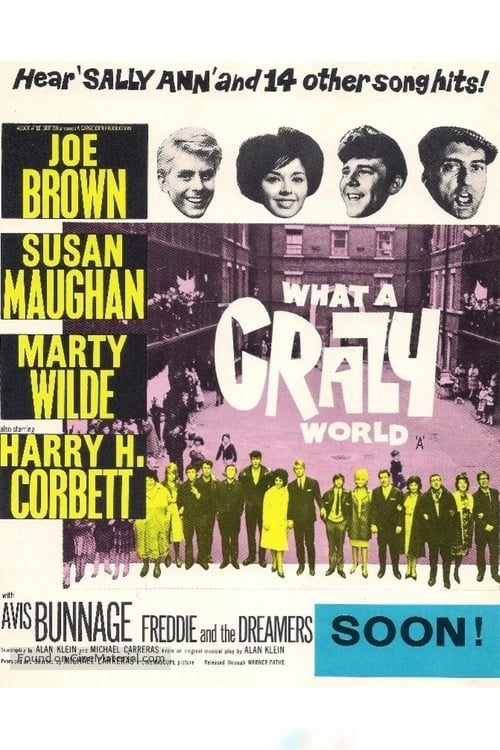
1963
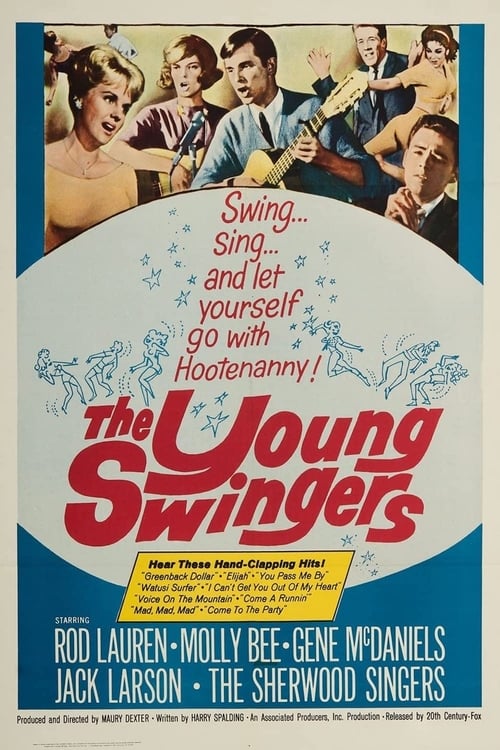
1963

1934
1935
1939
1934
1944
1938

1972

1948
1942
No reviews yet. Be the first to share your thoughts on this movie!
Use the rating form above to leave a star rating and optional review.