You are here:

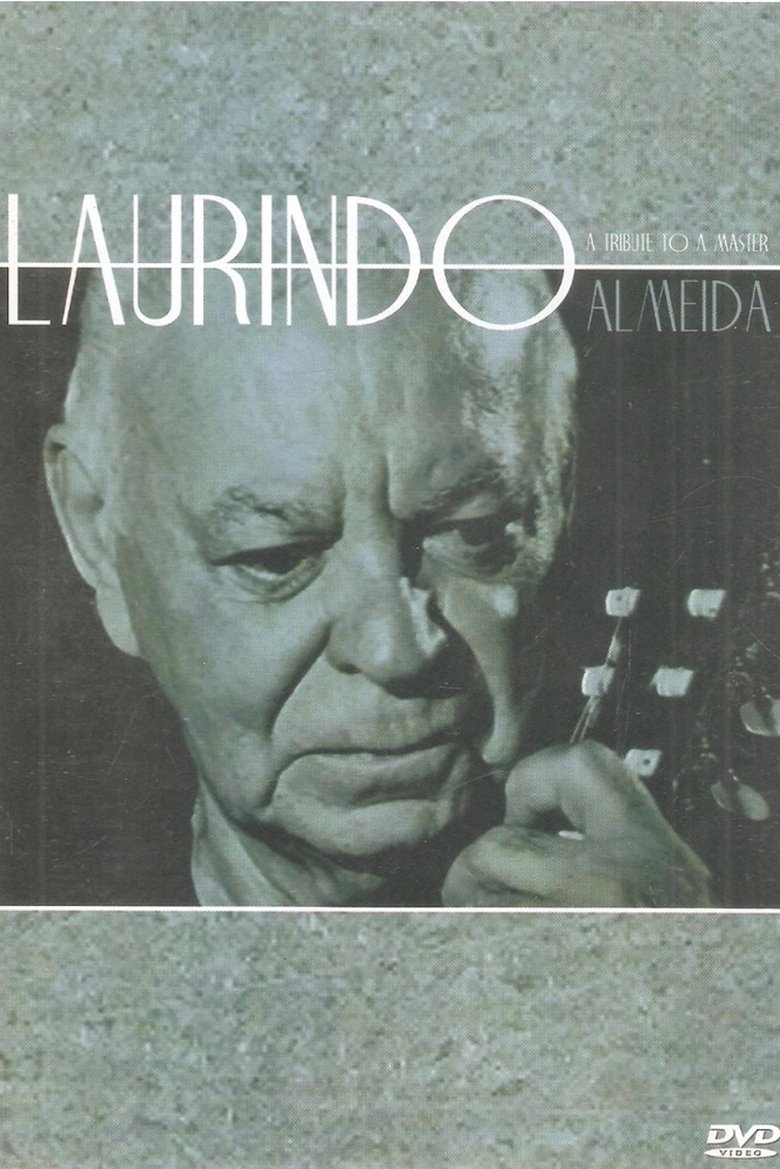
Laurindo Almeida: A Tribute to a Master

Laurindo Almeida: A Tribute to a Master

Representation Score

3.5/10

Limited

1995

T

Director

Carlos Tavares

Average Rating

No ratings yet

New Showbiz Analysis

This documentary serves as a specialized biographical tribute that celebrates Brazilian cultural heritage and ethnic identity. By focusing on the life of guitarist Laurindo Almeida, the film disrupts Eurocentric dominance in classical and jazz music documentation. However, the narrative is largely confined to the study of a single male figure, limiting its exploration of diverse gender perspectives and LGBTQ+ narratives. Ultimately, the work succeeds as a cultural document but remains constrained by its biographical focus.

Watch this, not that →

Category Breakdown

Does Laurindo Almeida: A Tribute to a Master have LGBTQ+ representation?

Minimal

The documentary does not include any LGBTQ+ characters or narratives. Its focus is on the musical biography of the subject, rather than exploring non-straight relationships or identities.

How does Laurindo Almeida: A Tribute to a Master portray gender?

Fair

The film centers around a male musician, reflecting a traditional view where mastery is associated with men. Female collaborators and their roles are not prominently featured in the narrative.

How racially and ethnically diverse is Laurindo Almeida: A Tribute to a Master?

Good

The film highlights Brazilian cultural heritage by focusing on a non-Anglo-Saxon figure. This helps to challenge the dominance of Eurocentric views in classical and jazz music.

How does Laurindo Almeida: A Tribute to a Master represent religion and culture?

Good

The documentary elevates Brazilian musical traditions, presenting them as a form of mastery. It challenges the traditional hierarchy of Western classical music by emphasizing globalized artistry and cultural specifics.

Does Laurindo Almeida: A Tribute to a Master include disability representation?

Minimal

The documentary does not feature any subjects with visible or invisible disabilities. The narrative does not address disability representation or perspectives.

Present on Screen

  • Celebrates Brazilian cultural heritage and ethnic identity.
  • Challenges Eurocentric dominance in classical and jazz music documentation.
  • Promotes a globalized view of musical artistry and mastery.

Limited or Absent

  • Lacks representation of LGBTQ+ identities and narratives.
  • Provides limited visibility for female collaborators and gender diversity.
  • Does not address disability representation or perspectives.

How are these scores produced? →

Where to Watch

Rate this Movie

No rating selected
Use arrow keys to select a rating from 1 to 5 stars
Optional text review, maximum 2000 characters
Tip: Wrap spoilers with ||double pipes|| to hide them
0/2000 characters
You must be signed in to submit a rating

Reviews

No reviews yet. Be the first to share your thoughts on this movie!

Use the rating form above to leave a star rating and optional review.