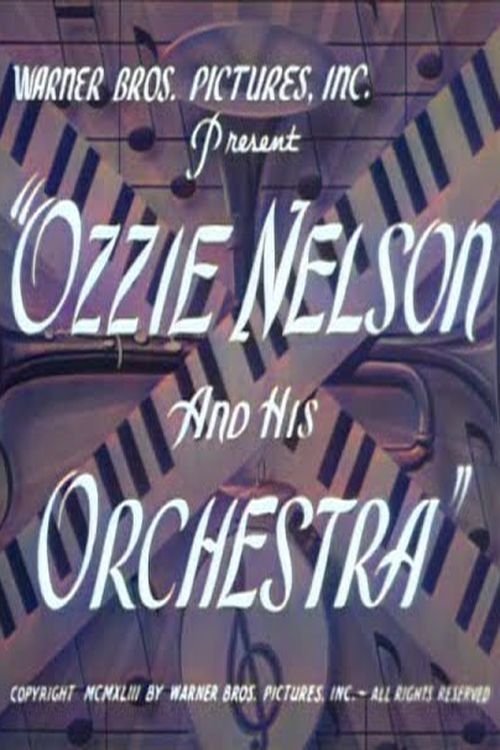
Ozzie Nelson and His Orchestra
1943
No user ratings available yet
Representation score: 0.8 out of 10
No Poster Available
Representation Score
Limited
1948
ApprovedDirector
Harry Foster
Runtime
10 minutes
Average Rating
No ratings yetNew Showbiz Analysis
This 1948 musical short captures a significant moment in jazz and swing music through Gene Krupa's orchestra. While it documents the era, it does not intentionally challenge social norms. Instead, it prioritizes performance over identity-driven narratives, reflecting the social hierarchies of the late 1940s. The production follows the entertainment industry standards of its time. It operates within prevailing cultural norms without attempting to disrupt them through diverse storytelling or character's ability to drive the story. Ultimately, the film is a commercial musical showcase that prioritizes performance over addressing social issues.
Category Breakdown
The film focuses on showcasing musical performances. It does not include any characters with non-traditional gender identities or challenge assumptions about straight relationships.
Vocalist Dolores Hawkins contributes to the musical arrangement. Her role likely aligns with traditional mid-century expectations for female performers, which are supportive rather than leading.
While jazz has roots in African American culture, the film's cast does not predominantly feature non-white actors. It adheres to the demographic norms of the time.
The film emphasizes musical entertainment such as 'Bop Boogie.' It reinforces the post-war American cultural status quo without engaging in cultural critique or anti-Western perspectives.
There is no evidence of performers dealing with visible or invisible disabilities in this musical short.
Present on Screen
Limited or Absent
Official Synopsis
Includes the segments, "Bop Boogie", "Sabre Dance" and "Disc Jockey Jump" by Gene and the band with vocalist Dolores Hawkins and introduced by Disc Jockey Fred Robbins.
1943
1942

1942
1942
1949
1942
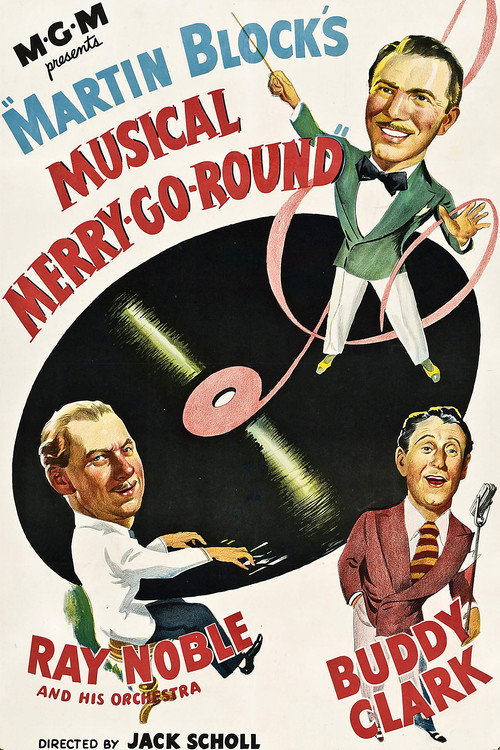
1948
1947
No reviews yet. Be the first to share your thoughts on this movie!
Use the rating form above to leave a star rating and optional review.