
The Rose Tattoo
1955
No user ratings available yet
Representation score: 3.9 out of 10
Representation Score
Minimal
1957
ApprovedDirector
J. Lee Thompson
Runtime
93 minutes
Average Rating
No ratings yetNew Showbiz Analysis
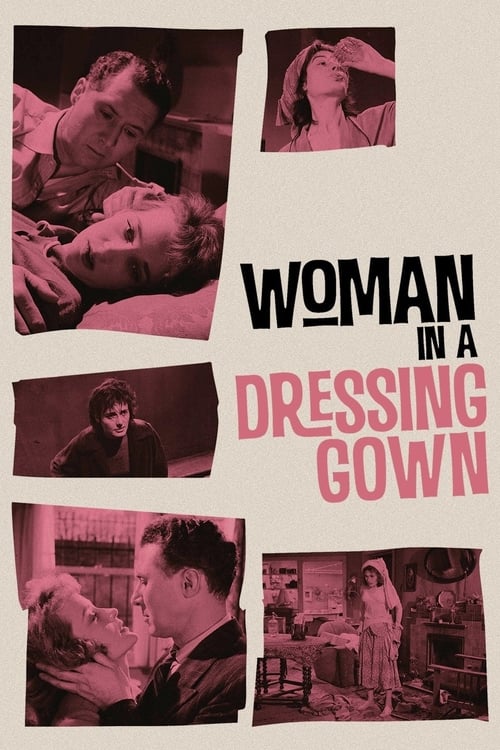
Woman in a Dressing Gown is a period-specific psychological drama that operates within the traditional social frameworks of the 1950s. While it avoids systemic critique, it provides a meaningful focus on the female protagonist's emotional experience. The film's strength lies in its character-driven approach to gender, moving away from male-centric domestic narratives. However, it remains limited by the era's lack of multi-layered complexity and racial diversity. Ultimately, the work serves as a study of individual emotional resilience within established hierarchies rather than a subversion of them.
Category Breakdown
The film does not include any non-cisgender or LGBTQ+ identities or same-sex relationships.
The film emphasizes the female perspective, focusing on the protagonist's emotional journey despite societal constraints.
The story reflects the homogeneous demographics of mid-century London, lacking diverse racial or ethnic representation.
The film adheres to traditional Western social structures of the 1950s, exploring marital issues through personal crises without challenging established norms.
There are no characters with physical, sensory, or cognitive disabilities featured in the film.
Present on Screen
Limited or Absent
Official Synopsis
A married, middle-aged woman is shocked to discover that her husband, who she thought was content in their marriage, has become infatuated with a beautiful younger woman and is planning to leave his family for her.
1955

1965
1963
1964
1955
1952
1949
1958
No reviews yet. Be the first to share your thoughts on this movie!
Use the rating form above to leave a star rating and optional review.