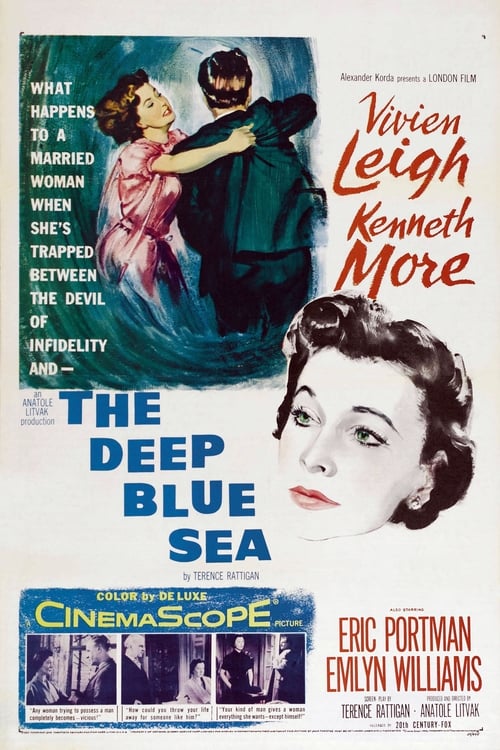
The Deep Blue Sea
1955
No user ratings available yet
Representation score: 2.1 out of 10
Representation Score
Limited
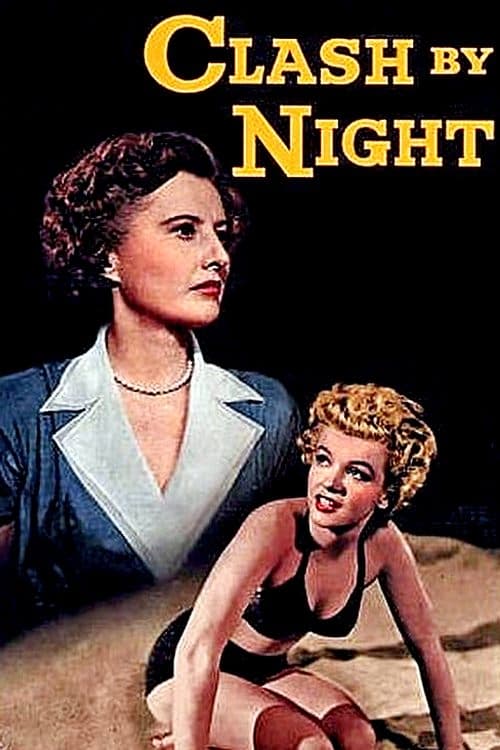
1952
NRDirector
Fritz Lang
Runtime
105 minutes
Average Rating
No ratings yetNew Showbiz Analysis
Clash by Night is a character study centered on individual desire versus communal expectations. It provides the female lead with significant emotional depth and ability to act, challenging the submissive feminine roles common in 1950s cinema. However, the film is limited by the demographic homogeneity of its era. The social landscape remains strictly Anglo-centric, and the narrative lacks any representation of LGBTQ+ identities or disabilities. Ultimately, while the film offers a nuanced look at female autonomy, it remains tethered to a narrow, traditional social framework.
Category Breakdown
The film follows strict conventions that assume everyone is straight or cisgender. There is no representation of LGBTQ+ identities or queer undertones in the central romantic relationship.
The narrative focuses on the female protagonist's psychological journey and her active role in driving the story. She pursues personal fulfillment rather than being a passive object of desire.
The setting features a predominantly white, working-class coastal community. The film lacks diverse ethnic perspectives or intentional multi-layered casting.
The story examines the moral complexities and social pressures faced by a working-class community. It portrays the community as judgmental and insular, enforcing social conformity.
No visible or invisible disabilities are shown. Disability is not used as a narrative device within the character arcs.
Present on Screen
Limited or Absent
Official Synopsis
An embittered woman seeks escape in marriage, only to fall for her husband’s best friend.
1955
1945
1949
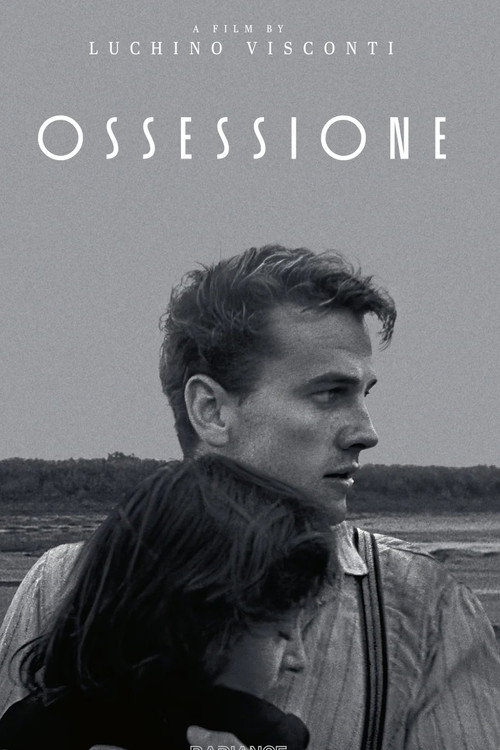
1943
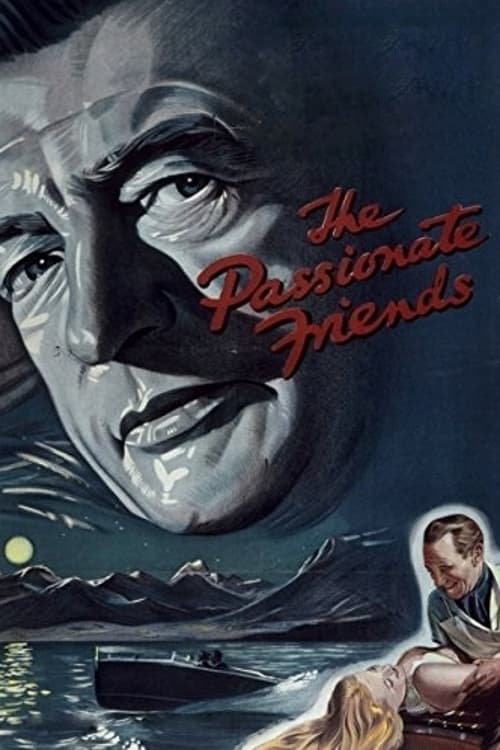
1949
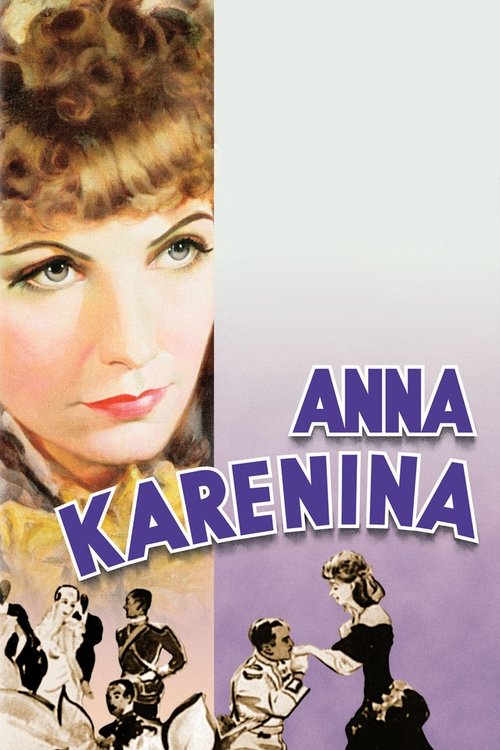
1935

1955
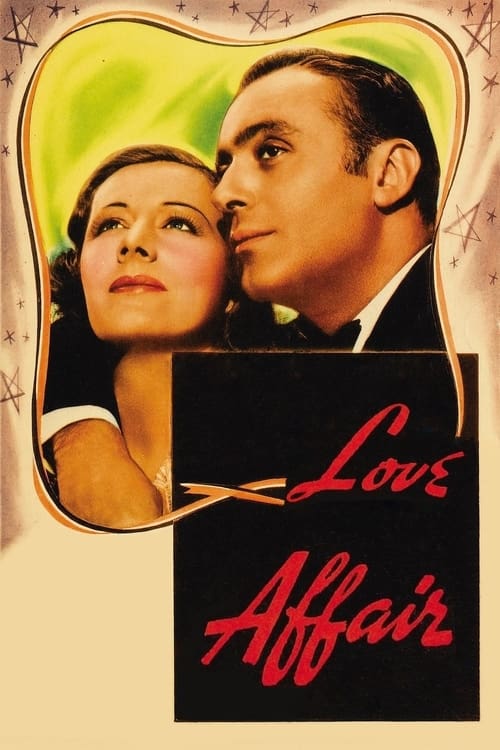
1939
No reviews yet. Be the first to share your thoughts on this movie!
Use the rating form above to leave a star rating and optional review.