
Return of Giant Majin
1966
No user ratings available yet
Representation score: 1.8 out of 10
Representation Score
Fair
1968
Not RatedDirector
Kaneto Shindō
Runtime
100 minutes
Average Rating
No ratings yetNew Showbiz Analysis
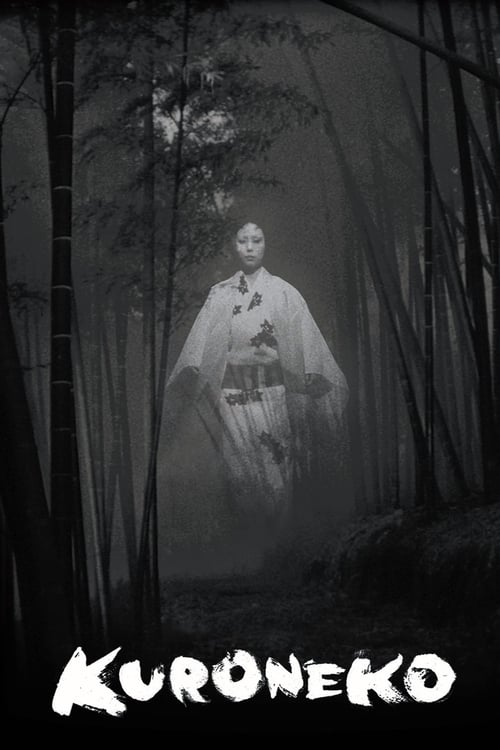
Kuroneko is a subversive period piece that uses supernatural horror to challenge traditional power structures. Although it doesn't include modern identity-based representation, its narrative structure is progressive in its handling of gender and authority. The film transforms female trauma into a source of predatory power, effectively questioning the strength and intellect of the samurai class. However, it remains confined by its historical setting, lacking any LGBTQ+ representation and maintaining an ethnically uniform cast.
Category Breakdown
The film follows the historical and folkloric constraints of the Sengoku period, so there are no depictions of LGBTQ+ identities or same-sex relationships.
Female characters evolve from being victims of patriarchal violence to becoming powerful avengers. This transformation gives them significant influence and disrupts the traditionally male-dominated samurai hierarchy.
The cast is ethnically uniform, reflecting the historical context of feudal Japan. The film emphasizes a unique cultural identity through its focus on indigenous folklore.
The narrative questions traditional morality, presenting established social orders as corrupt. Supernatural entities are shown as victims of human cruelty rather than inherently evil.
There are no specific depictions of neurodivergence or physical disabilities used as central character traits or plot devices.
Present on Screen
Limited or Absent
Official Synopsis
In the Sengoku period, a woman and her daughter are raped and murdered by soldiers during a time of civil war. Afterwards, a series of samurai returning from the war through that area are found mysteriously dead with their throats torn out. The governor calls in a wild and fierce young hero to quell what is evidently an Onryō ghost.
1966

1964
1972

1965
1982

2008

1958
1965
No reviews yet. Be the first to share your thoughts on this movie!
Use the rating form above to leave a star rating and optional review.