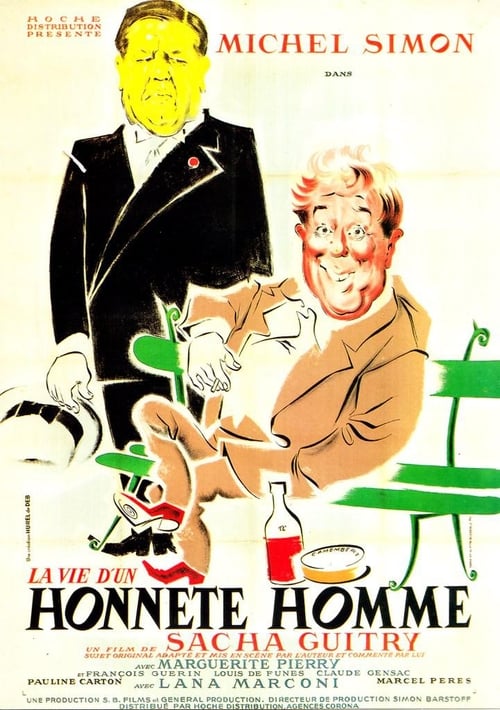
The Virtuous Scoundrel
1953
No user ratings available yet
Diversity score: 3.2 out of 10
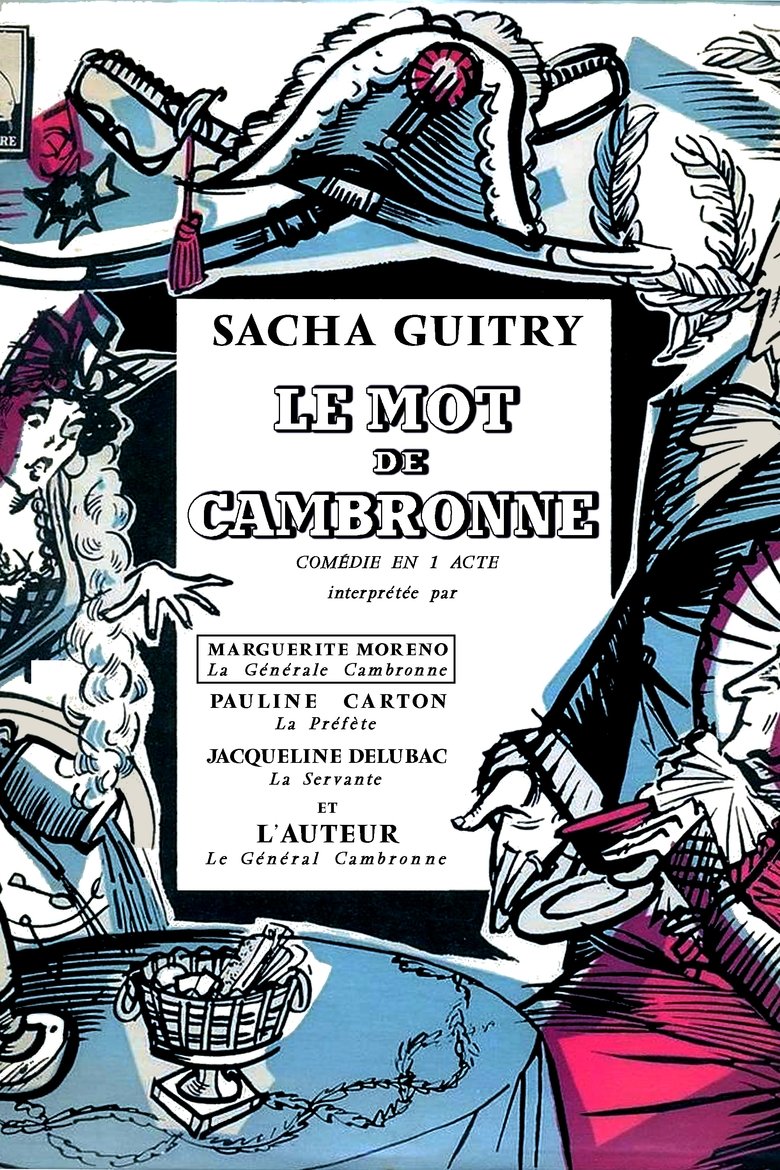
1937
Director
Sacha Guitry
Runtime
36 minutes
Average Rating
No ratings yetSynopsis
Mrs Cambronne, of British origin, to whom the famous ‘remark’ made by her husband, General Pierre Cambronne, has been much recounted, presses her husband with questions in an attempt to discover its meaning. But the general refuses to offer any explanation and remains silent. An adaptation of Sacha Guitry’s play of the same name, also written in 1936. Released in cinemas on 26 March 1937 at the Cinéma Normandie in Paris’s 8th arrondissement. The film was shot in a single afternoon on November 19, 1936, featuring the four actors who had originally performed the play on stage. The props came from the theater and were returned there that same evening. As Guitry explains at the beginning of his film, this production is dedicated to the memory of Edmond Rostand, who suggested the subject of the play—on which the film is based—to the author of “Mot de Cambronne.”
Overall Score
Limited
Category Breakdown
LGBTQ+ Representation
The film focuses on the social and marital dynamics between Madame and General Cambronne. There is no evidence of non-heteronormative identities or critiques of traditional social structures.
Gender Representation
Madame Cambronne drives the plot through her intellectual curiosity, yet the conflict remains rooted in traditional domestic tension. The film does not appear to subvert gender hierarchies or portray masculinity as inept.
Racial & Ethnic Diversity
The story features an English protagonist in a French setting, highlighting cross-cultural interaction. However, this focuses on nationality rather than a meaningful exploration of racial or ethnic intersectionality.
Religious & Cultural Diversity
The narrative explores national identity and historical linguistic pride through a comedic lens. It functions as an exploration of cultural temperament rather than a critique of institutional oppression.
Disability Representation
There is no information available regarding the depiction of physical or neurodivergent characters in this work.
Strengths
Areas for Improvement
AI Analysis
Sacha Guitry’s comedy centers on interpersonal wit and the friction between individual personalities. The plot relies on a linguistic misunderstanding between an English woman and a stubborn French general, prioritizing social maneuvering over systemic disruption. The film operates within the conventional Eurocentric and heteronormative frameworks of 1937. While it engages with themes of national identity, it lacks the depth required to address broader intersectional or social justice themes. Ultimately, the work is a character-driven period piece that reflects the bourgeois social dynamics of its era rather than challenging existing power structures.
1953
1943
2013
1939
1957
1935
1971

1939
2000
1975
1938
1956
No reviews yet. Be the first to share your thoughts on this movie!
Use the rating form above to leave a star rating and optional review.