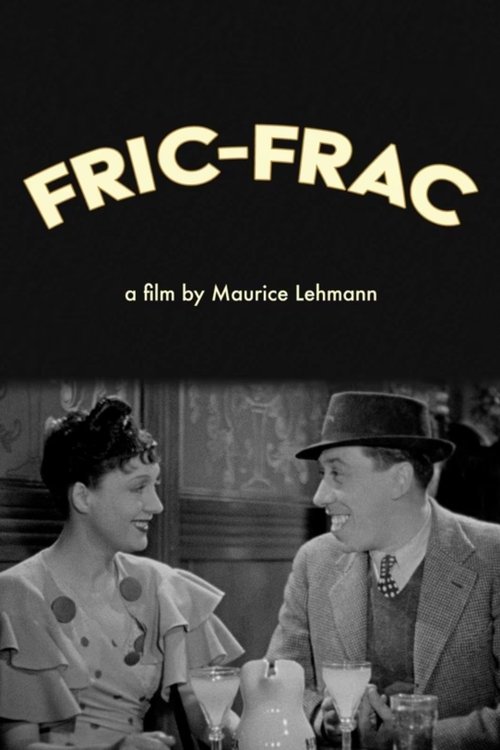
Fric-Frac
1939
No user ratings available yet
Representation score: 1.2 out of 10
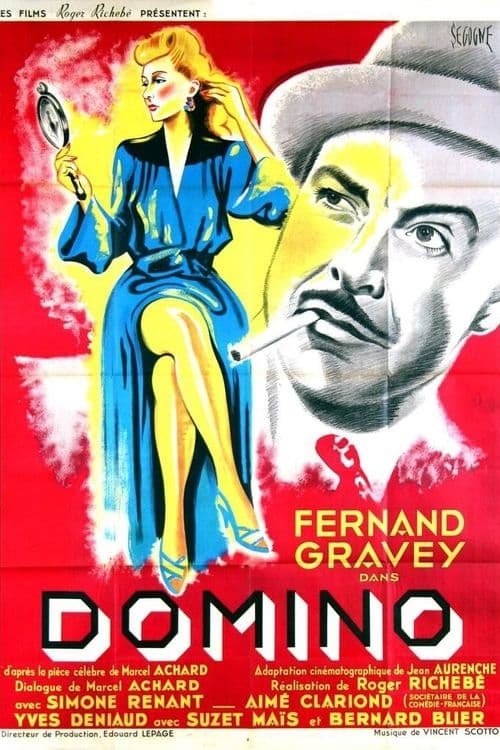
Representation Score
Limited
1943
K-16Director
Roger Richebé
Runtime
100 minutes
Average Rating
No ratings yetNew Showbiz Analysis
Domino is a conventional mid-century drama that adheres to the social hierarchies and narrative structures of 1940s European cinema. It lacks diverse representation, focusing instead on standard interpersonal conflicts like infidelity and social maneuvering. The film's approach to diversity is limited. While a female character takes control through deception, the gender dynamics remain rooted in traditional clichés. Non-Western elements are used as plot devices rather than providing meaningful cultural depth. Overall, the work serves as a period piece reflecting the era's focus on Western perspectives, offering little in the way of progressive or inclusive storytelling.
Category Breakdown
The film does not include any LGBTQ+ characters or stories. The main conflict revolves around a traditional affair, following typical dramatic themes of the time.
A wife uses the protagonist to divert her husband's attention, showing ability to act through deception. However, the plot upholds traditional marital roles and clichés.
An African statuette hints at connections to non-Western cultures. Yet, the narrative centers on Western European social structures and exoticism.
The story follows traditional Western social norms, focusing on personal dramas. It does not critique Western institutions or offer much cultural depth beyond mid-century standards.
No visible or hidden disabilities are shown in the main character arcs.
Present on Screen
Limited or Absent
Official Synopsis
Domino has only a wooden statuette, a typical piece of African art, to show for his trip. Arriving in Paris, Domino phones the famous Heller galleries to try to sell his statuette. He gets Heller’s wife, who uses him to deflect the suspicions of her jealous husband: she had an affair before their marriage. Domino gets carried away and persuades the young woman to go away with him.
1939
1937
1957
1956
1959
1945
1954
1948
No reviews yet. Be the first to share your thoughts on this movie!
Use the rating form above to leave a star rating and optional review.