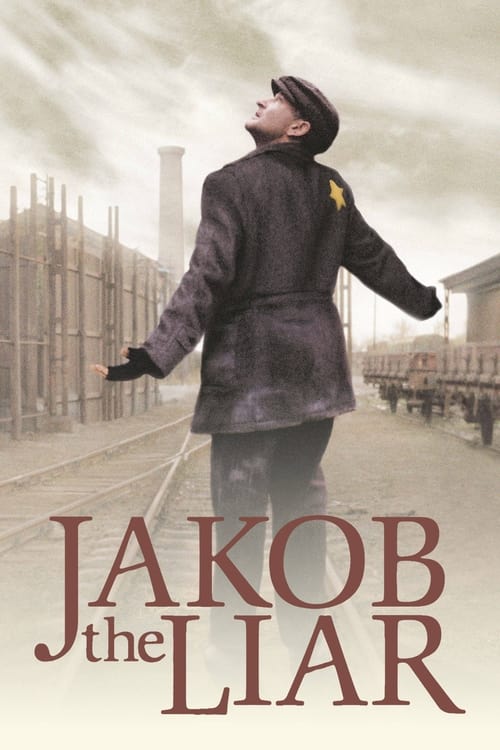
Jakob the Liar
1999
No user ratings available yet
Representation score: 3.7 out of 10
Representation Score
Limited
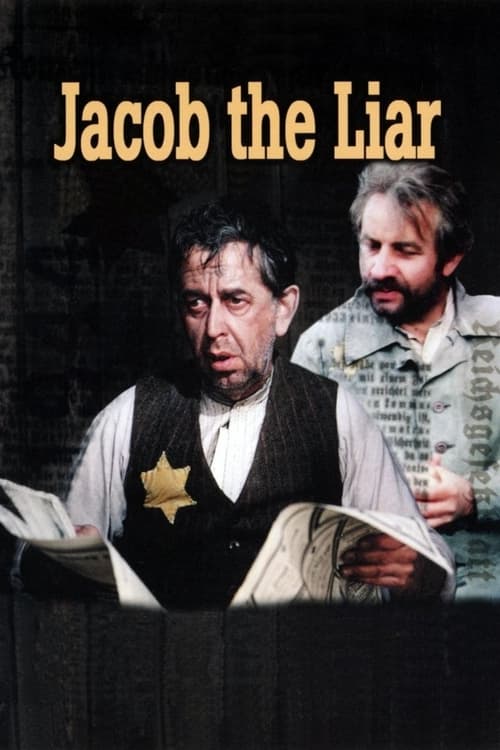
1974
Director
Frank Beyer
Runtime
100 minutes
Average Rating
No ratings yetNew Showbiz Analysis
Jacob the Liar is a nuanced historical drama that delves into the psychological burden of survival. It centers the Jewish experience, offering a meaningful departure from conventional, Eurocentric historical narratives through its focus on communal resilience. The film's strength lies in its complex ethical framework. By framing deception as a form of psychological resistance, it challenges traditional moral absolutes and provides a sophisticated critique of systemic dehumanization. However, the film remains limited by period-specific social hierarchies. The concentration of ability to act in male characters and the absence of LGBTQ+ characters or specific disability arcs restrict its broader diversity scope.
Category Breakdown
The film focuses entirely on the survival needs of a persecuted community. There are no LGBTQ+ characters or explorations of non-straight relationships.
Women play important roles within the community, but the story mainly revolves around the male protagonist, Jakob, reflecting traditional gender dynamics.
The film centers on the Jewish experience, avoiding the typical Western perspective that often overlooks the internal viewpoint of underrepresented groups.
The film uses moral relativism to explore survival strategies. It critiques totalitarian regimes by highlighting the subjective truths of the oppressed.
While the film portrays the trauma of the Holocaust, it does not feature characters whose stories revolve around specific disabilities.
Present on Screen
Limited or Absent
Official Synopsis
A Jewish ghetto in the east of Europe, 1944. By coincidence, Jakob Heym eavesdrops on a German radio broadcast announcing the Soviet Army is making slow by steady progress towards central Europe. In order to keep his companion in misfortune, Mischa, from risking his life for a few potatoes, he tells him what he heard and announces that he is in possession of a radio - in the ghetto a crime punishable by death. It doesn't take long for word of Jakob's secret to spread - suddenly, there is new hope and something to live for - and so Jakob finds himself in the uncomforting position of having to come up with more and more stories.
1999
1998

2018

1959
1997
1990

2016
No reviews yet. Be the first to share your thoughts on this movie!
Use the rating form above to leave a star rating and optional review.