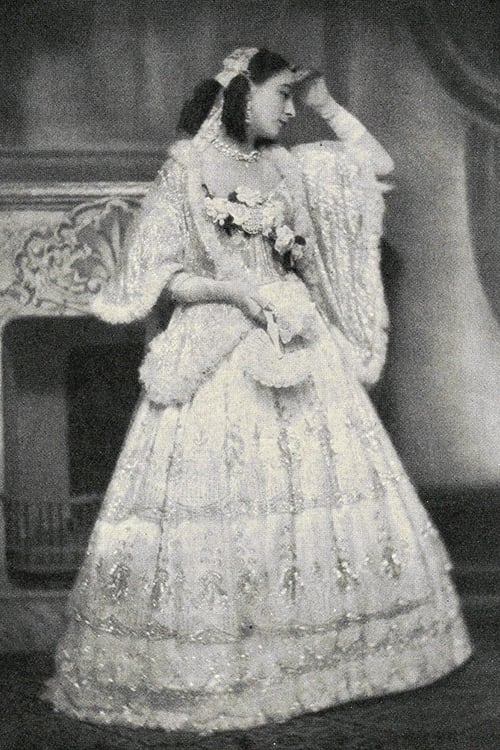
The Lady of the Camellias
1925
No user ratings available yet
Representation score: 3.0 out of 10

Representation Score
Fair
1924
NRDirector
Henry King
Runtime
106 minutes
Average Rating
No ratings yetNew Showbiz Analysis
Henry King’s adaptation of George Eliot’s work moves beyond simple melodrama by focusing on complex character motivations. The film succeeds in challenging traditional power structures, particularly through its critique of religious authority and its emphasis on female autonomy in a restrictive era. However, the film remains a product of its time, lacking any meaningful racial or LGBTQ+ diversity. The casting is strictly limited to a white European ensemble, and the narrative does not explore non-straight or non-cisgender identities. Ultimately, the film is a transitional piece. It trades modern characters who reflect more than one aspect of diversity for a sophisticated thematic deconstruction of institutional oppression and patriarchal control.
Category Breakdown
The film focuses on the romantic relationship between Romola and Tito Melema, but there is no indication of non-straight or non-cisgender identities or same-sex intimacy.
Romola is a central protagonist who navigates intense patriarchal and religious restrictions. Her personal choices and moral decisions drive the plot through Florence's political upheaval.
The production features a homogeneous white European cast typical of 1924. Although Tito is described as Italianate-Greek, the visual representation adheres to traditional Western casting norms.
The narrative critiques the religious dominance of the 15th-century Catholic Church. It explores the corruption of religious zealotry through the rise of Savonarola.
Bardo de' Bardi is shown as a blind scholar. His disability is integrated into his scholarly identity rather than used for mockery.
Present on Screen
Limited or Absent
Official Synopsis
In Renaissance Florence, a Florentine trader meets a shipwrecked stranger, who introduces himself as Tito Melema, a young Italianate-Greek scholar. Tito becomes acquainted with several other Florentines, including Nello the barber and a young girl named Tessa. He is also introduced to a blind scholar named Bardo de' Bardi, and his daughter Romola. As Tito becomes settled in Florence, assisting Bardo with classical studies, he falls in love with Romola.
1925
1914
2022
1921
1927
1950
1941

1954
No reviews yet. Be the first to share your thoughts on this movie!
Use the rating form above to leave a star rating and optional review.