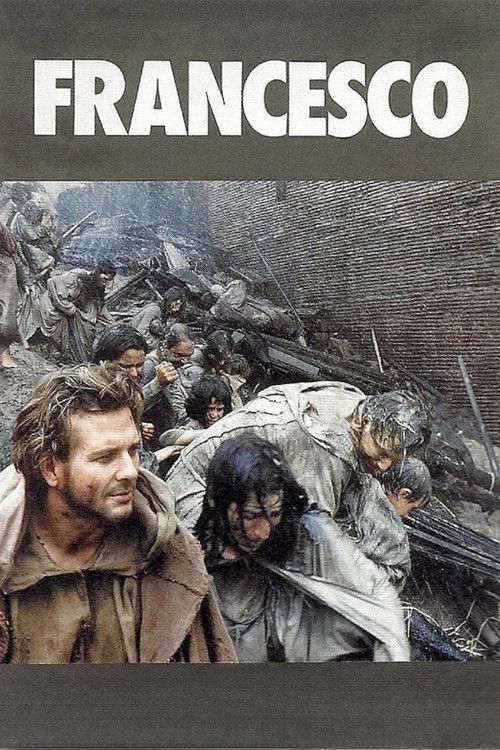
Francesco
1989
No user ratings available yet
Representation score: 2.2 out of 10
Representation Score
Limited
1950
NRDirector
Roberto Rossellini
Runtime
87 minutes
Average Rating
No ratings yetNew Showbiz Analysis
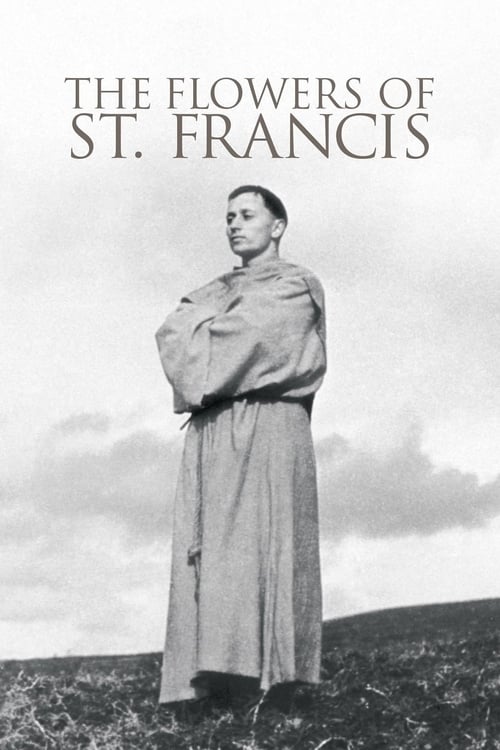
Rossellini’s masterpiece is a period-specific exploration of faith that prioritizes spiritual atmosphere over modern social representation. The film's reliance on a monastic brotherhood naturally limits its scope regarding gender and sexual orientation. While the cast is demographically homogeneous, the film finds depth in its portrayal of the underrepresented. By focusing on the poor and the infirm, it provides a dignified look at human value outside of material wealth. Ultimately, the work is a historical portrait that adheres to its 13th-century setting. It lacks contemporary diversity but offers a profound critique of social hierarchies through the lens of religious virtue.
Category Breakdown
The film focuses entirely on 13th-century monastic traditions and lacks any depiction of queer identities or non-straight relationships. It centers on spiritual brotherhood.
The narrative is almost exclusively male-driven, reflecting its monastic setting. Women are largely absent, resulting in a lack of female influence within the spiritual vignettes.
Casting reflects the homogeneous demographic of medieval Italy. While it lacks modern diversity, it offers a subtle commentary on visibility through the lens of poverty.
The film critiques institutional wealth by emphasizing Franciscan poverty. It explores spiritual enlightenment and humility rather than secular or anti-Western political critiques.
The sick and impoverished are portrayed with dignity. Their suffering serves as a catalyst for the protagonists' spiritual development and empathy rather than as a plot device.
Present on Screen
Limited or Absent
Official Synopsis
In a series of simple and joyous vignettes, director Roberto Rossellini and co-writer Federico Fellini lovingly convey the universal teachings of the People’s Saint: humility, compassion, faith, and sacrifice. Gorgeously photographed to evoke the medieval paintings of Saint Francis’s time, and cast with monks from the Nocera Inferiore Monastery, The Flowers of St. Francis is a timeless and moving portrait of the search for spiritual enlightenment.
1989
1972
1947
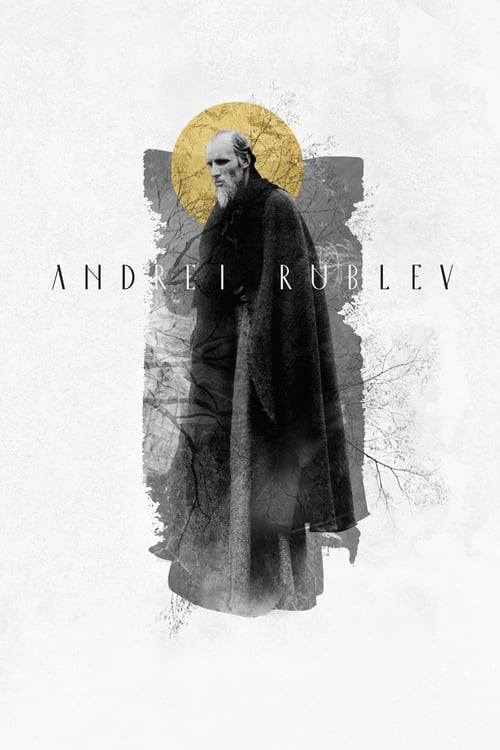
1966
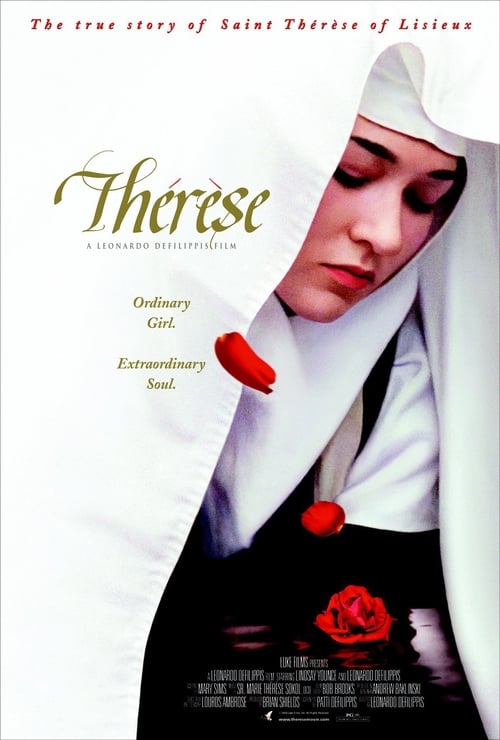
2004
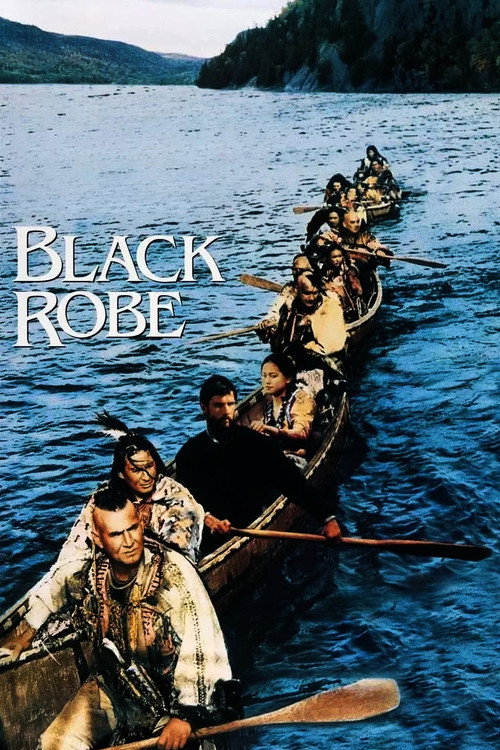
1991
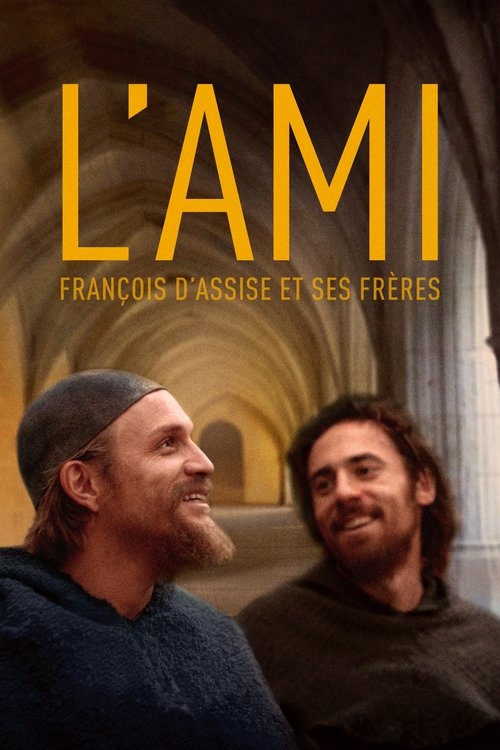
2016

1943
No reviews yet. Be the first to share your thoughts on this movie!
Use the rating form above to leave a star rating and optional review.