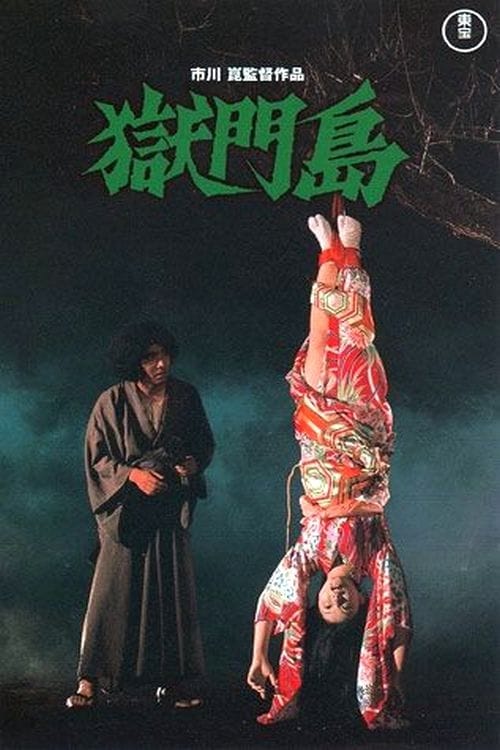
Island of Hell
1977
No user ratings available yet
Representation score: 3.6 out of 10
Representation Score
Good
1977
Director
Kon Ichikawa
Runtime
144 minutes
Average Rating
No ratings yetNew Showbiz Analysis
Kon Ichikawa’s direction adds a sophisticated psychological layer to this mystery, yet the film remains rooted in the conventional social structures of 1970s Japanese cinema. The narrative heavily relies on traditional detective clichés and standard character roles. While the film explores complex themes of trauma and the past, it lacks significant challenges to systemic hierarchies or diverse representation.
Category Breakdown
The film does not explicitly include queer narratives or explore non-cisgender identities. It follows typical 1970s genre conventions without delving into same-sex relationships.
The story centers on male detectives and their investigative roles. Female characters often play traditional roles of vulnerability or victimization, which are common in period horror.
The cast is primarily homogeneous, reflecting the film's isolated Japanese setting. It operates within a culturally specific framework rather than a multicultural one.
The story examines localized psychological tensions and the influence of past societal structures. It focuses on complex moral landscapes rather than direct political critiques.
There is no evidence of characters with visible or invisible disabilities. The film does not use disability as a central character element.
Present on Screen
Limited or Absent
Official Synopsis
Kôsuke Kindaichi, a somewhat peculiar private detective, visits a remote town. He meets a police detective and they start to investigate an old unsolved murder. Then some murders happen. Kindaichi must find out about the past in order to reveal who the murderer is.
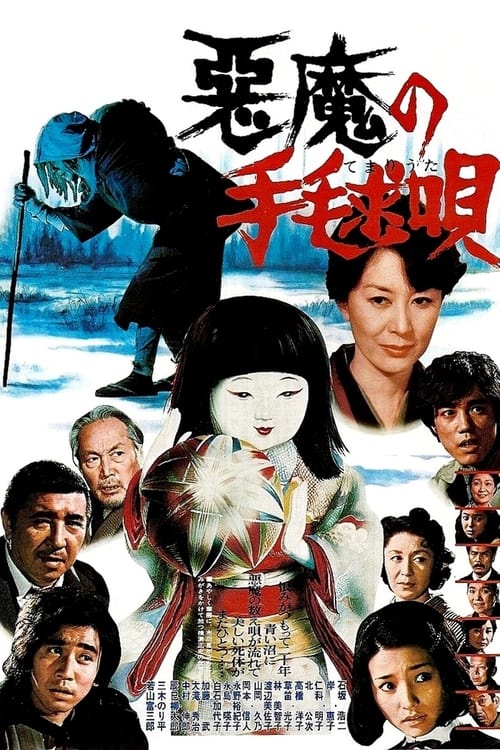
1977
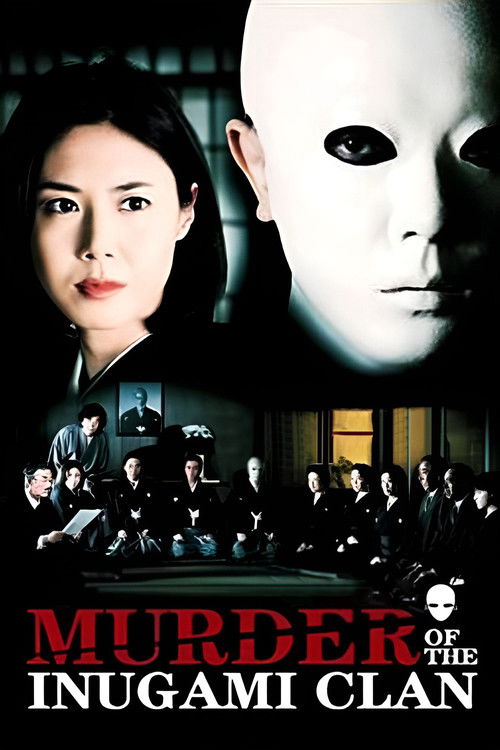
2006
1978
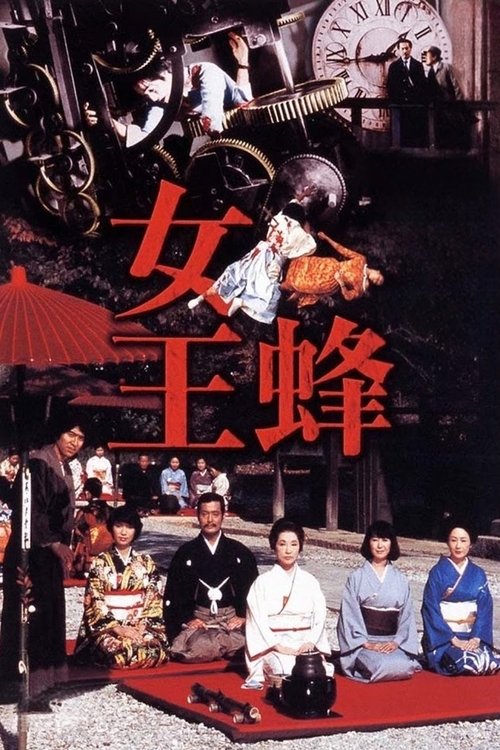
1998
1974

2016
1972
1979
No reviews yet. Be the first to share your thoughts on this movie!
Use the rating form above to leave a star rating and optional review.