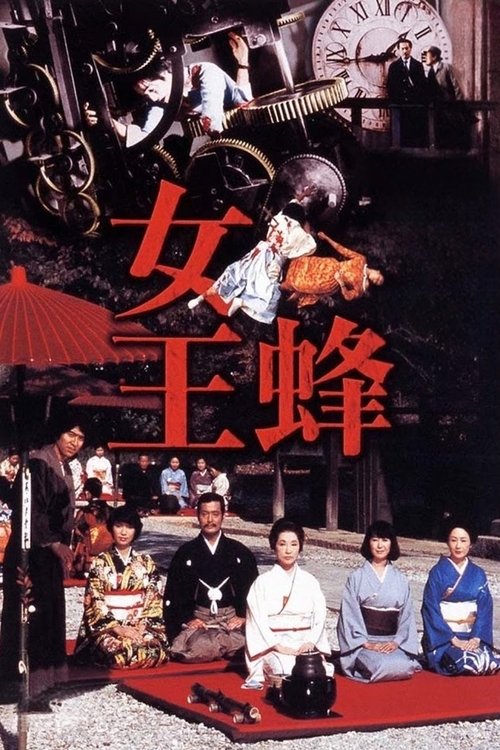
Queen Bee
1978
No user ratings available yet
Representation score: 5.2 out of 10
Representation Score
Limited
2006
Director
Kon Ichikawa
Runtime
134 minutes
Average Rating
No ratings yetNew Showbiz Analysis
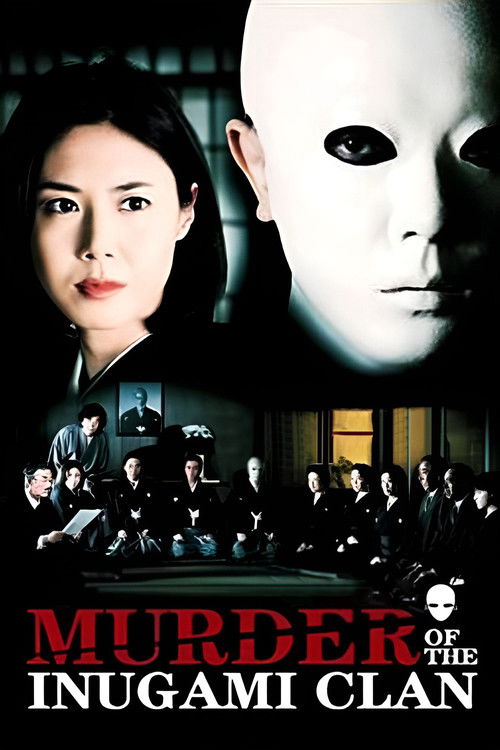
Murder of the Inugami Clan is a traditional mystery that examines the decay of a closed social system. It uses the tension of an inheritance dispute to explore the fragility of lineage and the corruption of the family unit. While the film features prominent female stakeholders, their roles are largely defined by their relationships to the patriarch and their utility in the inheritance scheme. The narrative operates within established social hierarchies rather than challenging them. The film's focus is deeply rooted in specific Japanese cultural structures. It prioritizes the exploration of clan-based dysfunction and traditional marriage requirements to drive its plot, resulting in a traditionalist storytelling approach.
Category Breakdown
The story lacks explicit LGBTQ+ characters or non-straight identities. The plot revolves around a marriage requirement for wealth transfer, reinforcing traditional social contracts.
Female characters like Matsuko and Tamayo are central to the conflict, yet their roles are tied to patriarchal inheritance. They function primarily within matrimonial obligations and domestic hierarchies.
The film depicts a homogeneous Japanese social structure. It focuses on specific cultural hierarchies and clan-based complexities rather than attempting a multi-ethnic or color-blind approach.
The narrative critiques the traditional clan structure by highlighting the greed and violence inherent in ancestral legacy. It explores the dysfunction of the family unit through a classic mystery lens.
There is no mention of characters with physical or neurodivergent disabilities. The provided information offers no basis for assessing disability representation.
Present on Screen
Limited or Absent
Official Synopsis
Inugami Sahei, who built up the wealth of the Inugami Clan, passes away, leaving a will with Furudate, his legal adviser, for his daughters Matsuko, Takeko and Umeko, all of whom have different mothers, and for their sons, as well as for Nonomiya Tamayo, the granddaughter of a person to whom Sahei feels heavily indebted. The will states that all his assets are inherited by Tamayo alone, on the condition that she marries one of the sons of the daughters. Furudate's assistant learns the content of the will, and seeks advice from Kindaichi Kosuke, a private detective, as he senses the air of unease. Shortly afterwards, murders start to occur one after another in the clan.
1978
2008
1977
1976
1979
1977

2016
1991
No reviews yet. Be the first to share your thoughts on this movie!
Use the rating form above to leave a star rating and optional review.