Island of Hell
1977
No user ratings available yet
Representation score: 3.6 out of 10
Representation Score
Fair
2016
Director
Kiki Sugino
Runtime
95 minutes
Average Rating
No ratings yetNew Showbiz Analysis
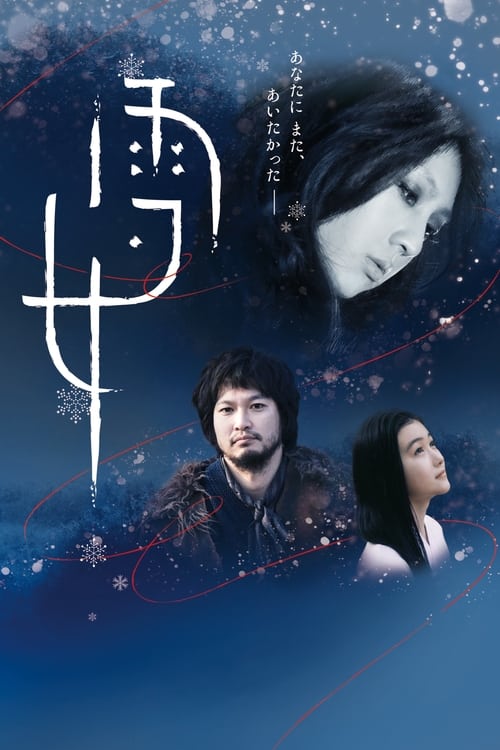
Snow Woman functions as a traditional folk-horror mystery that prioritizes the preservation of classical myth over the subversion of social norms. While it provides a non-Western cultural lens through its Japanese folklore roots, the narrative lacks complex, multi-layered character arcs. The film relies heavily on conventional formulas, particularly regarding gender and domestic structures. The central mystery is driven by a male protagonist's perspective, and the supernatural elements often reinforce traditional roles rather than disrupting them. Ultimately, the production lacks the narrative architecture required for a higher diversity score. It remains a localized, culturally specific piece that does not actively engage with contemporary social hierarchies or diverse identity representation.
Category Breakdown
The story follows a traditional structure focused on a hunter, his wife, and their daughter. There is no visible evidence of queer identities or subtext within the plot.
Yuki possesses supernatural abilities, yet her role remains tied to the 'mysterious wife' cliché. The narrative power dynamics center on the male protagonist's discovery and memory.
Rooted in Japanese folklore, the film offers a non-Western perspective. While the cast is ethnically homogeneous, the mythic framework provides a culturally specific lens.
The film focuses on the cyclical nature of myth and tragedy rather than social deconstruction. It adheres to traditional morality and the preservation of classical folklore.
The character Mikio is depicted as sickly, suggesting physical frailty. It remains unclear if this illness provides real power to the character or serves strictly as a tragic plot device.
Present on Screen
Limited or Absent
Official Synopsis
One snowy night, in a mountain hut, Minokichi, a hunter, sees a snow woman killing his mentor Mosaku. “Should you tell anyone, I will take your life” she says, then drifts off. A year later, Minokichi meets and marries a beauty named Yuki. She bears him a daughter, Ume. 14 years pass and Ume blossoms into a radiant lady who befriends the sickly Mikio, the village leader’s son and Mosaku’s distant relative. Mikio soon dies in the same hut as Mosaku, with his body showing the same frostbite scars. Minokichi is reminded of that horrid night, and wonders what it was that he saw, and who Yuki really is.
1977
2000
2013
1964
1996
2021
2017

2016
No reviews yet. Be the first to share your thoughts on this movie!
Use the rating form above to leave a star rating and optional review.