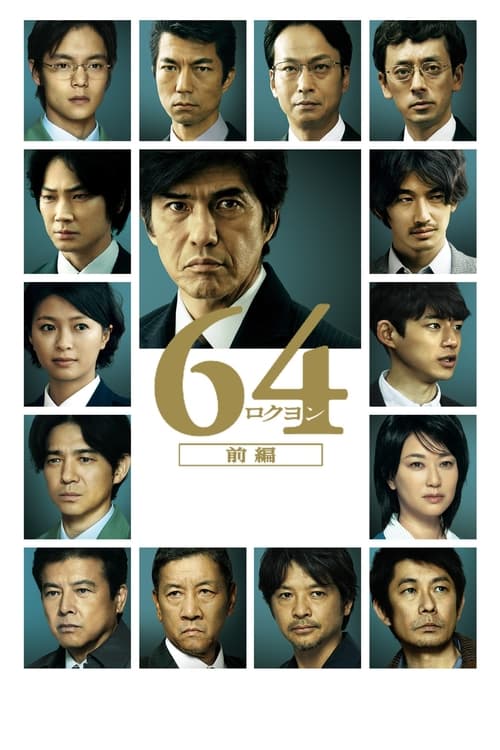
64: Part 1
2016
No user ratings available yet
Representation score: 5.4 out of 10

Representation Score
Fair
2007
Director
Masayuki Suzuki
Runtime
130 minutes
Average Rating
No ratings yetNew Showbiz Analysis
Hero (2007) is a traditional legal procedural that prioritizes mystery and professional ethics over the deconstruction of social hierarchies. The story is built around the stability of the Japanese legal system and the protagonist's personal integrity. Because the film does not seek to challenge traditional power structures or prioritize identity politics, it maintains a conventional approach. It functions as a character-driven drama centered on institutional roles rather than diverse social representation.
Category Breakdown
The film focuses on the professional and ethical struggles of the protagonist. It does not center on LGBTQ+ narratives or non-traditional gender identities. The story operates within a traditional framework of legal duty.
The narrative centers on a male-dominated legal sphere. Primary roles are held by male prosecutors and defense attorneys. Women are primarily seen in supporting roles within the professional environment.
The setting depicts a homogeneous Japanese professional class. While there is a blonde-haired security guard suggesting some ethnic variety, the film reflects the local demographic without emphasizing diverse representation.
The story explores individual truth within Western-style legal institutions. It examines political corruption and systemic integrity rather than offering a radical critique of capitalism or cultural institutions.
There is no evidence of characters with visible or invisible disabilities driving the plot. The narrative focus remains strictly on intellectual and procedural legal maneuvers.
Present on Screen
Limited or Absent
Official Synopsis
After six years away, D.A. Kuryu Kohei (Kimura Takuya) returns to his former Josai branch of the Tokyo District Public Prosecutors Office, just in time for a brewing storm. Kohei's first case starts out simple enough. The suspect, a blonde-haired security guard, had already confessed to manslaughter, but he suddenly retracts his confession and takes things to court with big-shot defense attorney Gamo (Matsumoto Koshiro). It turns out that the security guard is a key alibi witness in a high-profile political corruption case, and the results of his case will directly affect the next. With the media, politicians, and a special investigative team breathing down his back, Kohei must handle the case with care (and flair) to find out the truth.
2016
2008
2018
2012

2016

2009
2024
2019
No reviews yet. Be the first to share your thoughts on this movie!
Use the rating form above to leave a star rating and optional review.