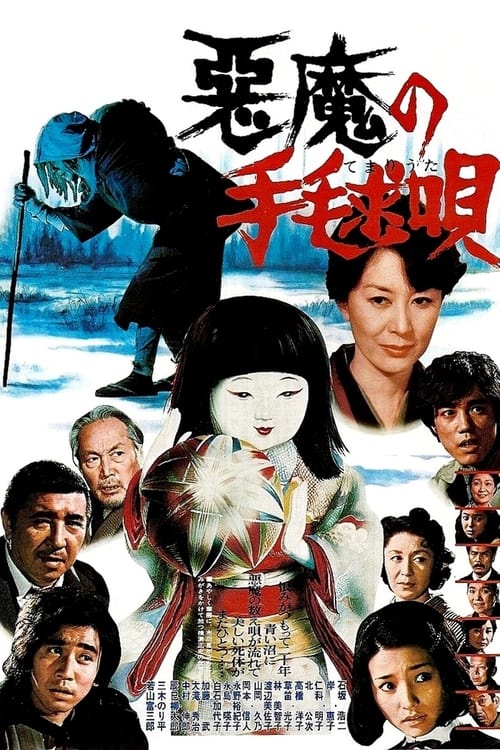
Lullaby to Kill
1977
No user ratings available yet
Representation score: 6.0 out of 10
Representation Score
Limited
1977
Director
Kon Ichikawa
Runtime
141 minutes
Average Rating
No ratings yetNew Showbiz Analysis
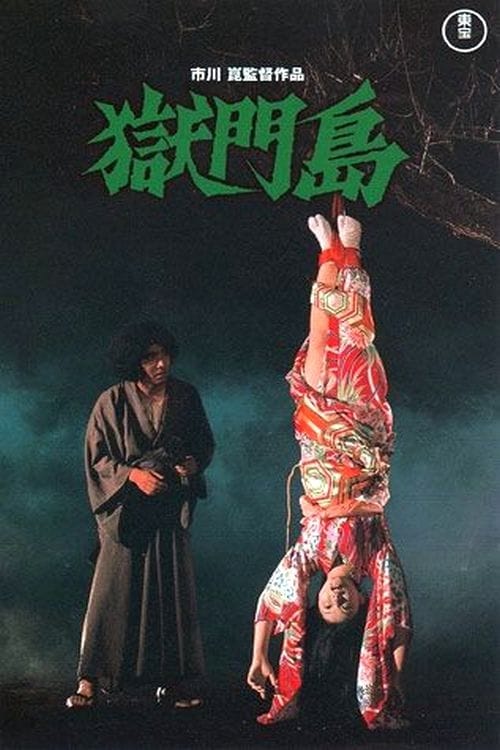
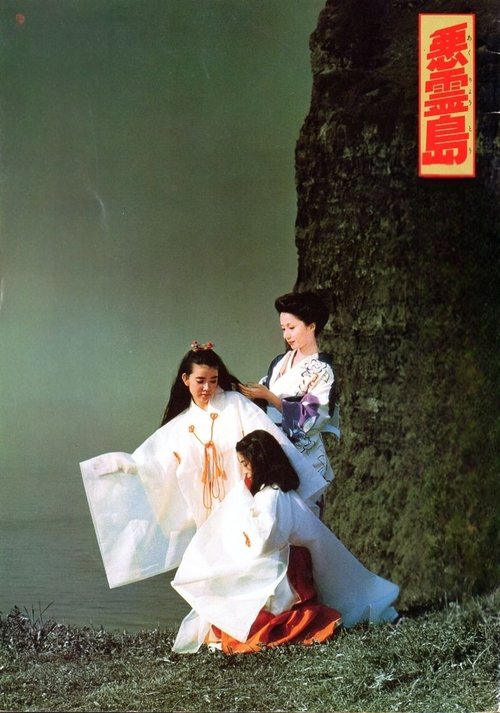
Island of Hell is a traditional mystery-horror film set in post-war Japan. While the film centers its tension on the deaths of three women, the narrative follows standard genre conventions rather than challenging social hierarchies. The film offers a culturally authentic portrayal of 1946 Japan, avoiding the whitewashing common in global cinema. However, it lacks multi-layered complexity or diverse identity-based narratives. Ultimately, the work serves as a specific historical study. It does not address broader social or identity-driven themes through its narrative structure.
Category Breakdown
The film does not explicitly include characters with non-binary gender identities. The story revolves around a detective investigating the murders of three sisters.
Women play key roles in the plot as the main victims. However, it is unclear if they have significant control over their own stories or if they primarily serve as plot devices.
The film features a predominantly Japanese cast, maintaining cultural authenticity. It avoids Western-centric clichés by focusing on its specific Japanese setting.
Set in 1946, the film examines a period of post-war social instability in Japan. It functions as a culturally specific historical study rather than a broader social critique.
There is no mention of characters with visible or invisible disabilities within the narrative context.
Present on Screen
Limited or Absent
Official Synopsis
A scruffy detective investigates the murders of three sisters on a small Japanese island in 1946.
1977
1978
1993

2005

2016
1981

2013
1978
No reviews yet. Be the first to share your thoughts on this movie!
Use the rating form above to leave a star rating and optional review.