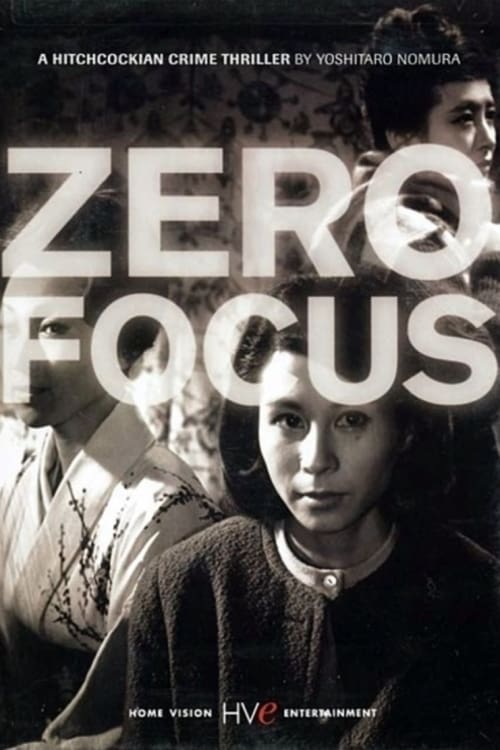
Zero Focus
1961
No user ratings available yet
Representation score: 6.0 out of 10

Representation Score
Fair
1968
Director
Hiroshi Teshigahara
Runtime
118 minutes
Average Rating
No ratings yetNew Showbiz Analysis
Hiroshi Teshigahara’s mystery avoids traditional procedural clichés, instead focusing on the psychological fragmentation of its characters. The film dismantles the concept of a stable self as the investigator starts to mirror his subject. Though the film lacks overt demographic diversity, it challenges genre expectations. It replaces the typical, stoic hero with a protagonist defined by instability and existential dissolution. The work serves as a sophisticated piece of existential cinema, using the mystery framework to explore the erosion of identity and the rejection of structured social certainty.
Category Breakdown
The film touches on the idea of blurred boundaries between individuals and explores identity fluidity. Although it doesn't explicitly depict queer domestic life, these themes hint at the exploration of non-traditional identities.
A female character initiates the main conflict, but the story focuses more on the male detective's psychological unraveling and loss of stability.
This Japanese film offers a non-Western viewpoint on the mystery genre. By focusing on non-Anglo-Saxon narrative structures within the Japanese New Wave movement, it adds to the diversity of cinema.
The film questions institutional certainty through themes of moral relativism. It emphasizes subjective, existentialist morality rather than external social or legal systems.
There is no explicit depiction of physical or neurodivergent disabilities in the narrative.
Present on Screen
Limited or Absent
Official Synopsis
A private detective is hired to find a missing man by his wife. While his search is unsuccessful, the detective's own life begins to resemble the man for whom he is searching.
1961

1962

1963

1949
1983
1965
1984
1946
No reviews yet. Be the first to share your thoughts on this movie!
Use the rating form above to leave a star rating and optional review.