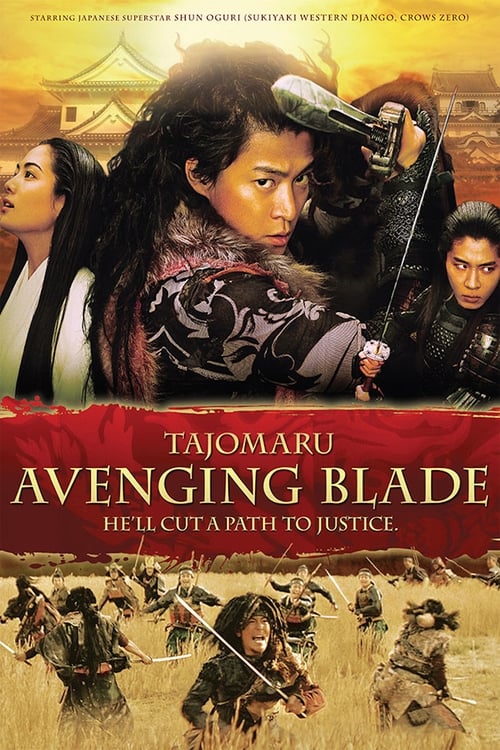
Tajomaru: Avenging Blade
2009
No user ratings available yet
Diversity score: 4.4 out of 10
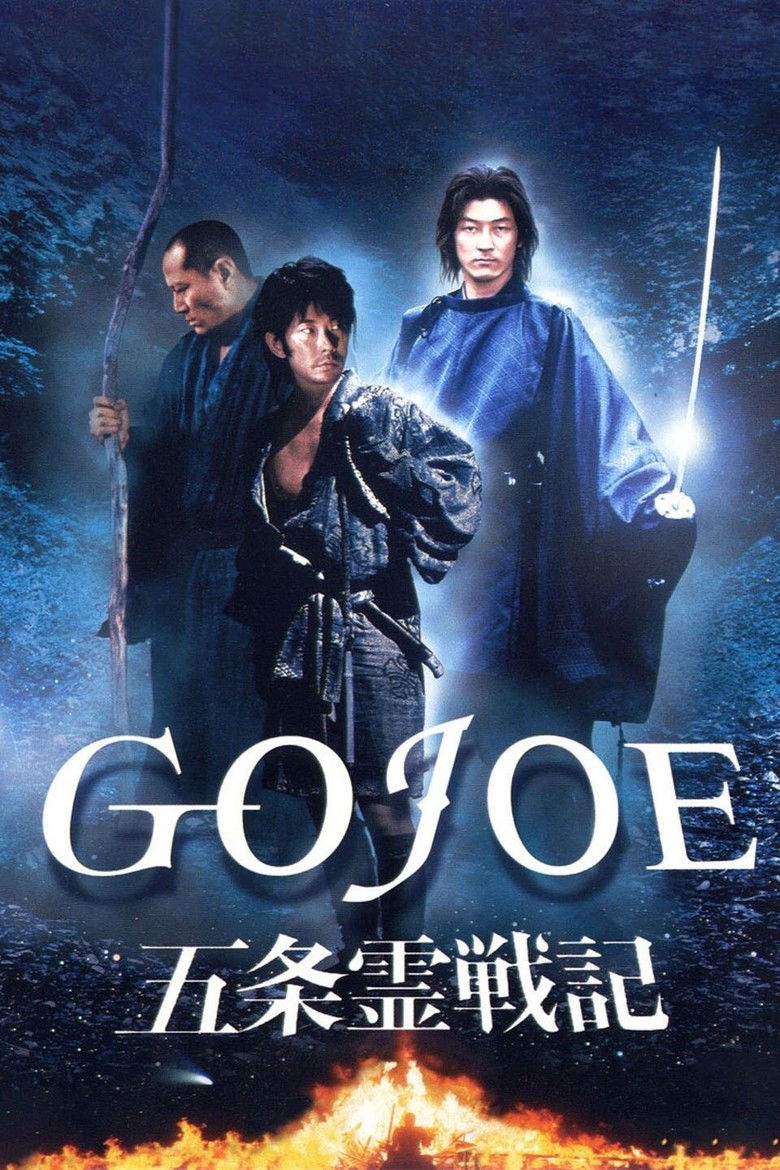
2001
Director
Gakuryu Ishii
Runtime
138 minutes
Average Rating
No ratings yetSynopsis
Benkei, a master fighter and killer, vows never to take another life after his conversion to Buddhism. His faith in pacifism, however, is shaken and ultimately broken by the attacks from a trio of fighters known only as the demons. Taking up his sword once more, he sets out to end their murderous terror.
Overall Score
Fair
Category Breakdown
LGBTQ+ Representation
The film focuses on a traditional martial arts conflict centered on Buddhist pacifism and vengeance. There is no explicit evidence of non-cisnormative gender identities or same-sex intimacy within the primary character arcs.
Gender Representation
The narrative architecture centers on Benkei, a male protagonist struggling with masculine roles. The focus remains on traditional masculine archetypes of strength and combat rather than subverting gender hierarchies.
Racial & Ethnic Diversity
As a Japanese historical production, the cast is largely homogeneous. The film utilizes the 'demon' trope from East Asian folklore, which serves as a metaphor for external threats to social order.
Religious & Cultural Diversity
The story engages with the tension between religious institutionalism and individual agency. It explores a landscape of moral relativism where the protagonist's spiritual pacifism is challenged by external chaos.
Disability Representation
There is no evidence regarding the portrayal of physical or neurodivergent disabilities in this work.
Strengths
Areas for Improvement
AI Analysis
Gojoe: Spirit War Chronicle is a genre-driven historical action piece that prioritizes the psychological journey of a legendary figure. The narrative focuses on the internal conflict of Benkei as he navigates the transition from a killer to a Buddhist pacifist. While the film deconstructs the 'warrior' archetype, it does so through a lens of traditional masculine archetypes. The storytelling remains rooted in established period-action frameworks rather than exploring intersectional identities or diverse social demographics. Ultimately, the film functions as a stylistic exploration of morality and folklore. It operates within a specific cultural context that emphasizes spiritual struggle over the disruption of traditional social hierarchies.
2009
2003
1952
2011
2017

1965
2010
1960
2018
No reviews yet. Be the first to share your thoughts on this movie!
Use the rating form above to leave a star rating and optional review.