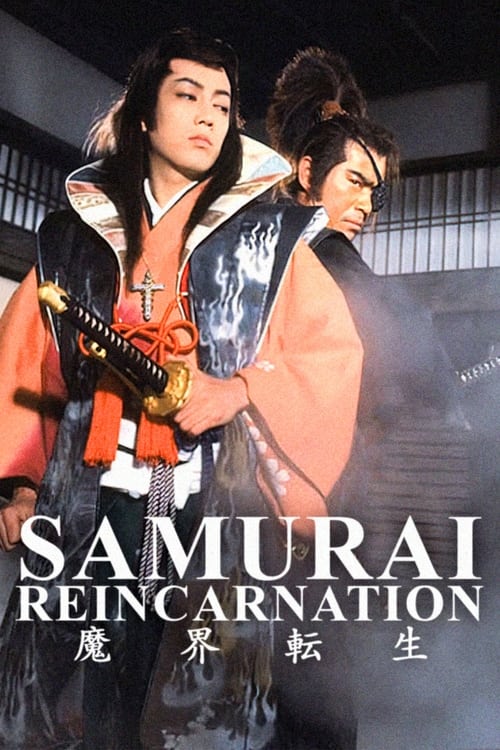
Samurai Reincarnation
1981
No user ratings available yet
Representation score: 5.1 out of 10
Representation Score
Limited
2003
Director
Hideyuki Hirayama
Runtime
105 minutes
Average Rating
No ratings yetNew Showbiz Analysis
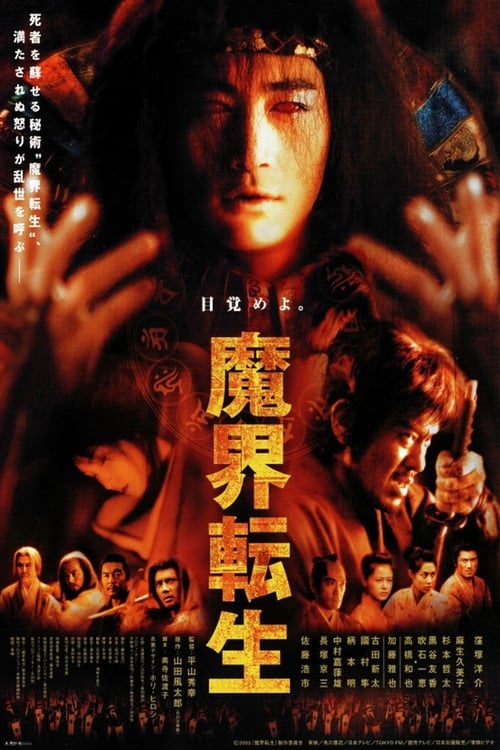
Samurai Resurrection is a genre-driven film that emphasizes historical mythos and martial prowess over sociopolitical deconstruction. It adheres closely to the conventions of the jidaigeki tradition, focusing on the supernatural conflict between Shiro Amasuka and Yagyu Jubei. The film's strength lies in its cultural authenticity to the Edo period. By using a predominantly Japanese cast, it maintains a high degree of historical accuracy and avoids the pitfalls of whitewashing. However, the narrative structure is built on rigid, traditional hierarchies. It lacks intentionality in representing gender, disability, or LGBTQ+ identities, functioning instead as a typical masculine action epic that reinforces established social structures.
Category Breakdown
The film focuses on traditional samurai characters and does not include any LGBTQ+ identities or narratives that question the assumption that everyone is straight or cisgender.
The story primarily revolves around male warriors, emphasizing conventional gender roles centered on male-driven conflict and historical warrior archetypes.
The cast is mainly Japanese, reflecting the historical Edo period setting. While this avoids whitewashing, it does not intentionally include diverse backgrounds or demographics.
The story delves into honor and the afterlife through traditional Japanese cultural frameworks, presenting a supernatural action piece that respects the spiritual context of its setting.
Characters are portrayed as physically perfect and skilled in martial arts. There is no indication of characters with visible or invisible disabilities being given significant roles in the narrative.
Present on Screen
Limited or Absent
Official Synopsis
Shiro Amasuka, dead leader of the Shimbara Revolt is resurrected from hell with the desire of overthrowing the shogunate for killing his companions. To do this , he resurrects an army of living dead swordsmen. Between him and his goal, only Yagyu Jubei stands...
1981

1974
1997

2000

1996
1994

2003
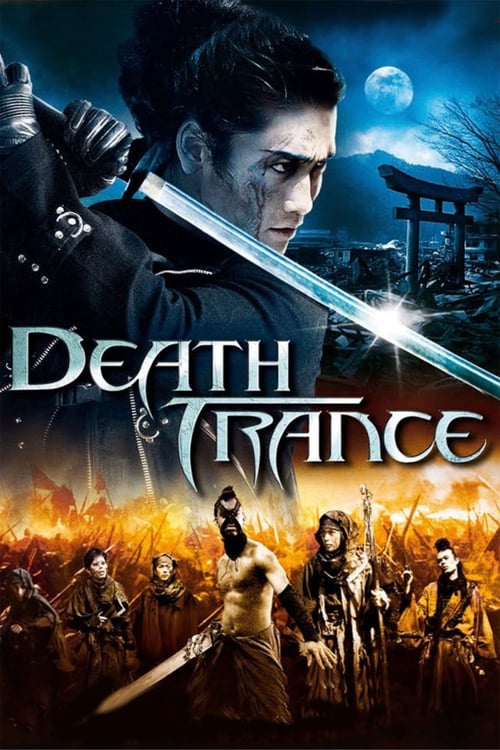
2005
No reviews yet. Be the first to share your thoughts on this movie!
Use the rating form above to leave a star rating and optional review.