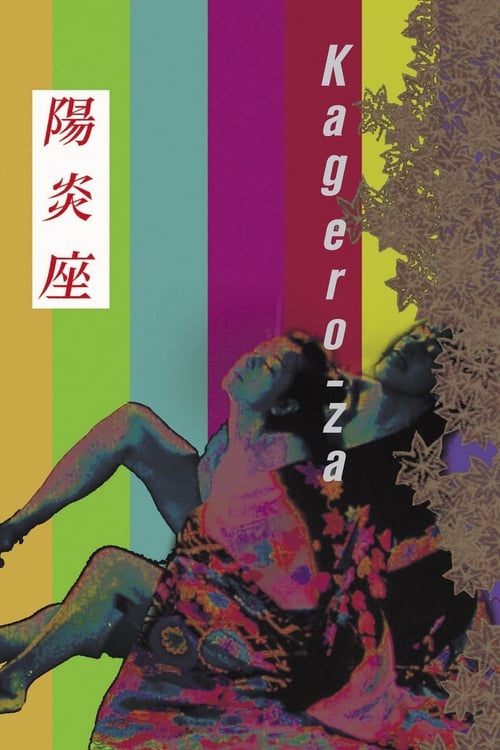
Kagero-za
1981
No user ratings available yet
Representation score: 6.1 out of 10
Representation Score
Fair
1994
Director
Kinji Fukasaku
Runtime
106 minutes
Average Rating
No ratings yetNew Showbiz Analysis
Kinji Fukasaku’s direction employs a dual-track narrative to explore the tension between individual autonomy and rigid social hierarchies. By intertwining shogunate intrigue with a supernatural ghost story, the film transcends straightforward historical retelling to examine the human cost of institutional loyalty. The film’s strength lies in its ability to place a female protagonist at the center of transformative power. Despite the historically specific and ethnically uniform setting, the narrative structure deconstructs traditional notions of honor through a lens of subjective morality and systemic pressure. However, the film adheres to the traditional romantic and historical clichés typical of the kaidan genre. It focuses on traditional social structures and lacks broader representations of identity or disability.
Category Breakdown
The film centers on a traditional romantic tragedy set in a historical context. There is no indication of queer-coded subtext or non-traditional gender identities.
A female protagonist drives the supernatural storyline, showcasing psychological strength and ability to act. This contrasts with the male-dominated political intrigue of the shogunate era.
Set in 18th-century Japan, the cast is ethnically uniform. The narrative instead delves into internal social divisions and class-based power structures.
The film blends political loyalty with a ghost story that critiques social constraints. It examines the tension between institutional obligations and personal suffering.
The film offers no specific depiction of physical or neurodivergent disabilities.
Present on Screen
Limited or Absent
Official Synopsis
Weaving two storylines together: the first is the story of 18th-century shogunate intrigue and loyalty, and the second is a ghost story about a beautiful woman who falls victim to passion and evil.
1981
1968
1981
1974

1975
1959
2001
1959
No reviews yet. Be the first to share your thoughts on this movie!
Use the rating form above to leave a star rating and optional review.