Don't Bother to Knock
1952
No user ratings available yet
Representation score: 1.4 out of 10
Representation Score
Minimal
1948
ApprovedDirector
Carol Reed
Runtime
96 minutes
Average Rating
No ratings yetNew Showbiz Analysis
Carol Reed's psychological thriller emphasizes the deconstruction of truth over identity representation. Its strength lies in its proto-postmodernist approach, presenting a child's subjective reality as a valid emotional truth. This challenges traditional notions of objective morality. However, the film adheres strictly to the social and demographic norms of 1948, lacking diverse representation and reinforcing traditional gender and racial hierarchies.
Category Breakdown
The film follows a traditional mid-century perspective where everyone is assumed to be straight and cisgender. There are no representations of diverse sexual orientations or gender identities, nor does it challenge these assumptions.
The story centers around male-driven conflicts and psychological relationships among male characters. Women are confined to secondary, domestic roles that support traditional gender hierarchies.
The cast is primarily white, reflecting the homogeneous social environment of mid-century British diplomatic life. There is no representation of non-Anglo-Saxon identities.
The film examines moral relativism through a child's subjective experience. It focuses on internal psychological trust rather than critiquing Western institutions like religion.
There are no visible or invisible disabilities portrayed as central to the character arcs. Neurodivergence and physical disability are not used as narrative devices.
Present on Screen
Limited or Absent
Official Synopsis
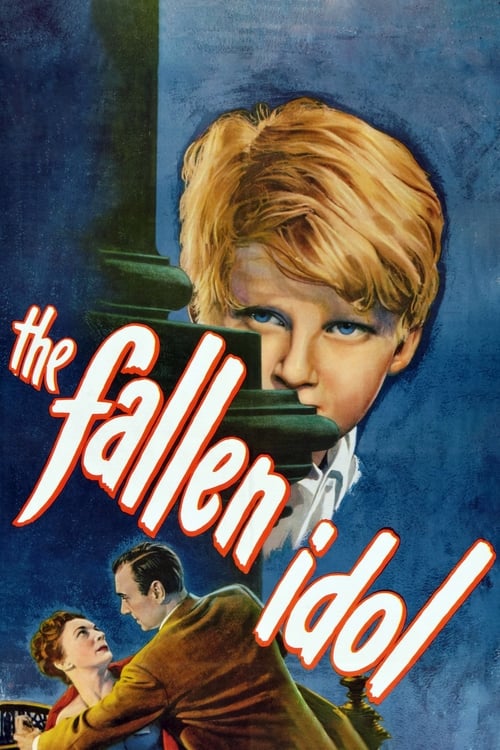
Phillipe, the son of an ambassador in London, hero-worships his father's butler Baines. His perception of the man changes when he accidentally discovers the secret that Baines keeps and witnesses the consequences that adults' lies can cause.
1952
1936

1946
1956
1943
1959
1949
1963
No reviews yet. Be the first to share your thoughts on this movie!
Use the rating form above to leave a star rating and optional review.