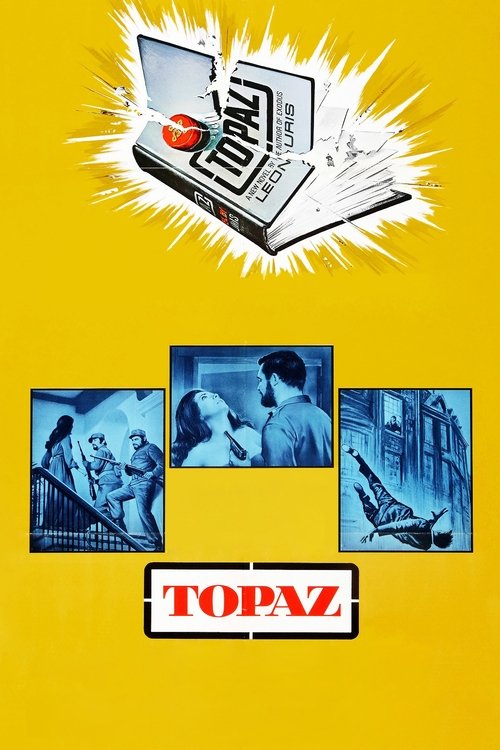
Topaz
1969
No user ratings available yet
Representation score: 3.5 out of 10

Representation Score
Limited
1965
ApprovedDirector
Martin Ritt
Runtime
112 minutes
Average Rating
No ratings yetNew Showbiz Analysis
The film is a stark, deconstructionist thriller that prioritizes a critique of systems over demographic diversity. While it lacks racial, ethnic, and LGBTQ+ diversity, it excels in its progressive dismantling of institutional authority and moral absolutism. Its strength lies in its cultural perspective, challenging the idea of Western ideological superiority. By portraying state-sponsored violence as a tool for exploitation, the film rejects traditional heroic archetypes in favor of a cynical, secular view of power. However, the production remains limited by its historical context, offering a narrow demographic scope that focuses almost entirely on a white, Anglo-European cast within a specific geopolitical framework.
Category Breakdown
The film focuses solely on heterosexual relationships and does not include any LGBTQ+ characters or non-traditional gender identities.
The story centers around the male protagonist's mission, but the character Liz Gold has significant emotional depth. It challenges typical romantic clichés by focusing on isolation and transactional relationships rather than sentimentality.
The cast is primarily composed of white and Anglo-European actors. The story lacks significant racial or ethnic diversity, reflecting the geopolitical focus of a 1965 European thriller.
The film provides a critical look at Western institutional morality. It dismantles Cold War narratives by showing both Western and Eastern agencies as equally corrupt and manipulative.
There are no central depictions of physical or neurodivergent disabilities in the character development or the narrative.
Present on Screen
Limited or Absent
Official Synopsis
British agent Alec Leamas refuses to come in from the Cold War during the 1960s, choosing to face another mission, which may prove to be his final one.
1969
1964

2011

1966

2015

1965

2020
1981
No reviews yet. Be the first to share your thoughts on this movie!
Use the rating form above to leave a star rating and optional review.