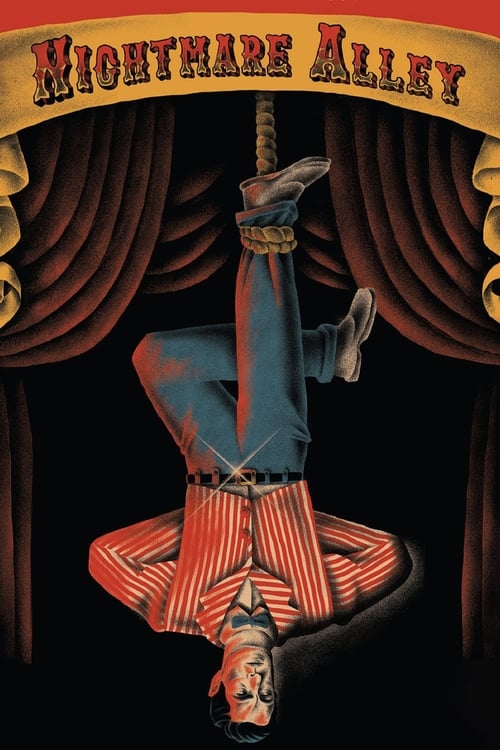
Nightmare Alley
1947
No user ratings available yet
Representation score: 5.6 out of 10

Representation Score
Limited
1946
NRDirector
Lewis Milestone
Runtime
115 minutes
Average Rating
No ratings yetNew Showbiz Analysis
The film explores power dynamics, successfully challenging traditional gender norms but lacking characters who reflect more than one aspect of diversity. Martha Ivers emerges as a powerful, independent figure who defies passive stereotypes, offering a rare example of female leadership in the era. However, the film remains constrained by the demographics of its time, lacking any representation of LGBTQ+ identities, racial diversity, or disability. Despite these limitations, the work offers a sophisticated critique of corrupt institutions and systemic failures. Ultimately, the film's strength lies in its institutional critique, while its areas for improvement include expanding its demographic representation.
Category Breakdown
The film centers on heterosexual relationships and does not include any LGBTQ+ identities or queer subtext.
Martha Ivers challenges traditional gender roles by exerting significant political and economic influence, defying the passive female stereotype of the time.
The cast and setting are primarily Anglo-Saxon, reflecting the homogeneity of 1946 society, without any diverse ethnic representation.
The film critiques traditional Western institutions by depicting the town's political and capitalist systems as corrupt, highlighting the flaws in established social orders.
The film does not depict any characters with visible or invisible disabilities, nor does it engage with neurodivergence or physical impairments.
Present on Screen
Limited or Absent
Official Synopsis
Three childhood friends, Martha, Walter and Sam, share a terrible secret. Over time, the ambitious Martha and the pusillanimous Walter have married. She is a cold businesswoman; he is the district attorney: a perfect combination to dominate the corrupt city of Iverstown at will. But the unexpected return of Sam, after years of absence, deeply disturbs the life of the odd couple.
1947
1947

1946
1937
1953
1949
1952

1945
No reviews yet. Be the first to share your thoughts on this movie!
Use the rating form above to leave a star rating and optional review.