
La Chilindrina en apuros
1994
No user ratings available yet
Diversity score: 4.2 out of 10

1950
Director
Gilberto Martínez Solares
Runtime
105 minutes
Average Rating
No ratings yetSynopsis
In 1840 California, The Texmelucan viscount bizco, offers a feast for his son Tin, who returned from Italy where he studied fencing. The boy turns out to be a coward who flees in terror after refusing to fight a duel with Captain Gaspar. In their flight, Tin rescues a witch was tied to a tree. Grateful, the witch gives him an ointment that will make him invincible for an hour. The coward swordsman will have three opportunities to use it and save his father from the injustices of the evil ruler Marcelo.
Overall Score
Fair
Category Breakdown
LGBTQ+ Representation
The film adheres to the heteronormative social structures of its era. The narrative focuses on traditional romantic pursuits and comedic misunderstandings.
Gender Representation
Female characters appear primarily as romantic interests or situational foils. While the protagonist's cowardice disrupts the traditional masculine archetype, this serves a slapstick function rather than a systemic critique.
Racial & Ethnic Diversity
The film offers meaningful representation through the Pachuco persona of Tin Tan. This performance navigates the intersection of Mexican and Mexican-American identities, providing a non-Anglo-centric perspective.
Religious & Cultural Diversity
The narrative centers on a struggle against an evil ruler, suggesting a critique of localized power structures. However, the film remains largely rooted in escapist entertainment and situational morality.
Disability Representation
There is no significant or intentional depiction of physical or neurodivergent disabilities. The protagonist's cowardice is treated as a comedic character flaw rather than a nuanced exploration of mental health.
Strengths
Areas for Improvement
AI Analysis
The film serves as a culturally specific text that disrupts Western cinematic hegemony by centering Mexican identity and the Pachuco subculture. Its primary value lies in the performance of Tin Tan, which provides a vital layer of ethnic nuance. While the film lacks modern intersectional frameworks or progressive social critiques, it successfully presents a non-traditional hero. By subverting the expectation of a stoic, hyper-masculine lead, it offers a unique comedic perspective for its time. Ultimately, the work functions as a piece of mid-century escapist comedy that uses magical realism to resolve social friction, focusing more on individual character growth than systemic social commentary.
1994
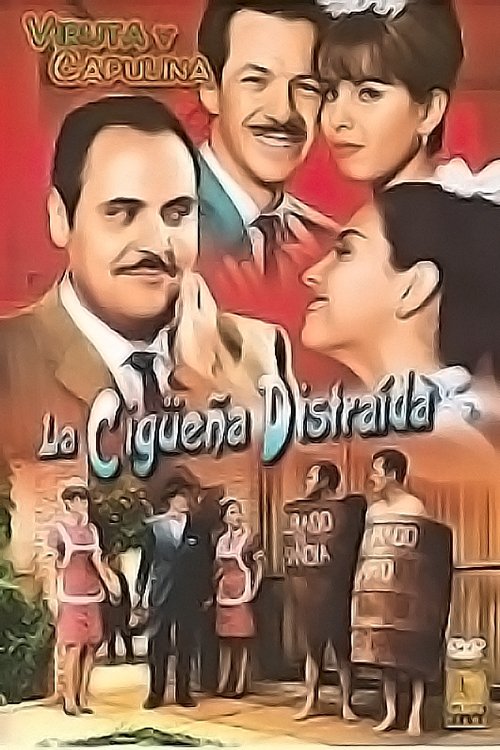
1966
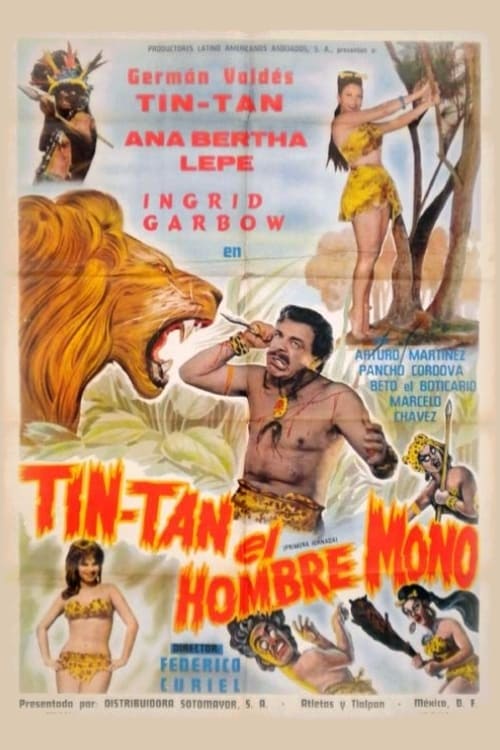
1963

1952

1973

1989

1970

1955
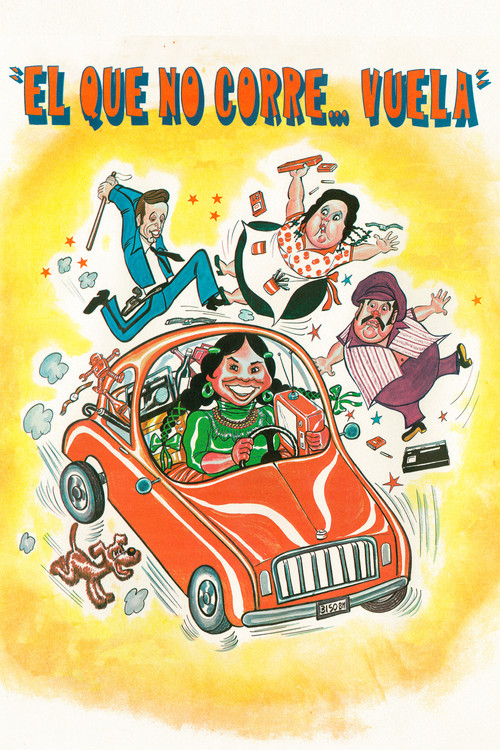
1982
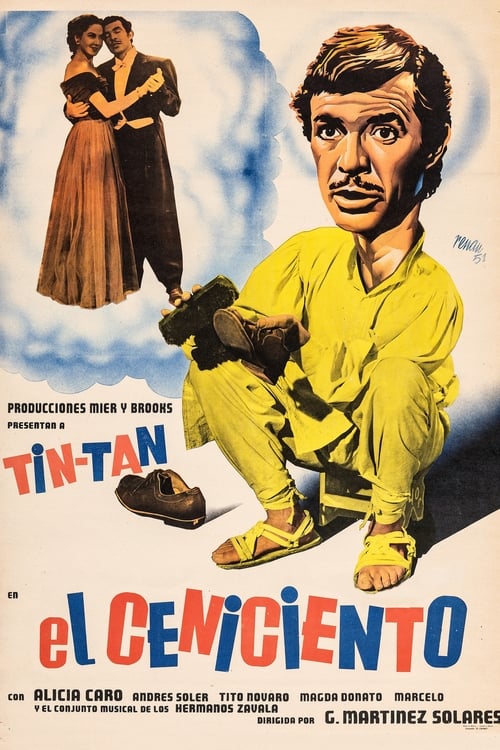
1952
No reviews yet. Be the first to share your thoughts on this movie!
Use the rating form above to leave a star rating and optional review.