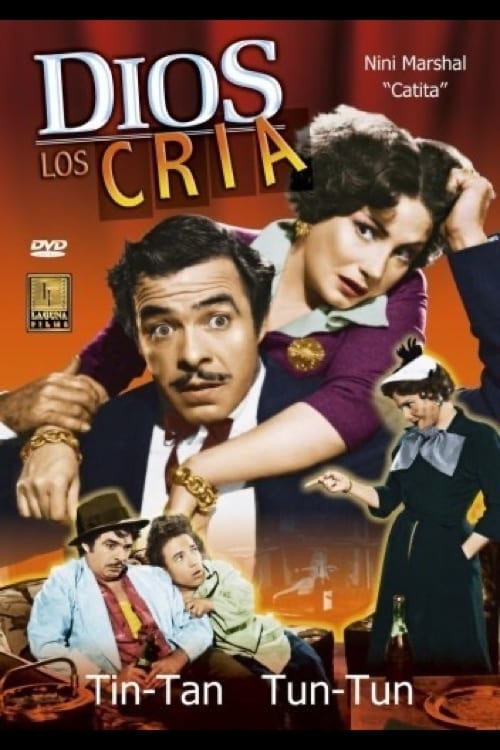
Dios los cría
1953
No user ratings available yet
Representation score: 2.0 out of 10
Representation Score
Fair
1952
Director
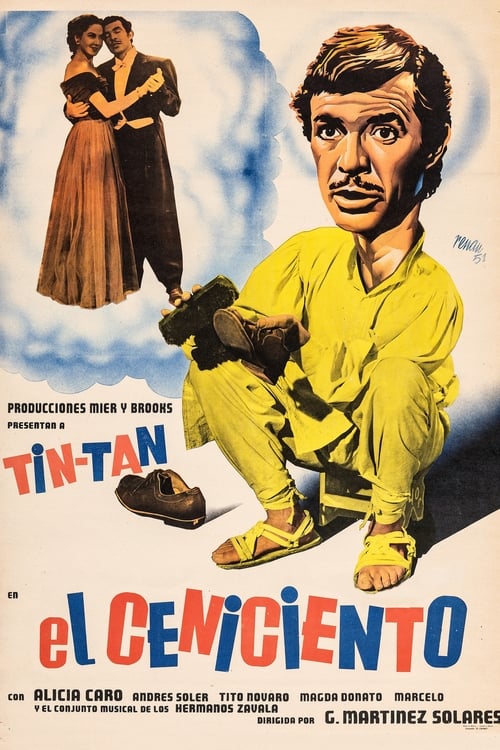
Gilberto Martínez Solares
Runtime
86 minutes
Average Rating
No ratings yetNew Showbiz Analysis
El Ceniciento is a product of the Golden Age of Mexican cinema, focusing heavily on class dynamics and domestic archetypes. The narrative centers on the economic exploitation of Valentin by Marcelo, reinforcing the social hierarchies of the 1950s. While the film provides a localized, non-Western perspective by centering Mexican identity, it remains culturally homogeneous. It functions as a standard cultural artifact that mirrors the era's social norms rather than challenging them. Gender and sexual representation are limited by the period's conventions. The film prioritizes class-based comedy and traditional domestic roles over the exploration of diverse identities or the deconstruction of existing power structures.
Category Breakdown
The film does not include explicit representations of LGBTQ+ identities or narratives. It focuses on traditional 1950s romantic and comedic themes centered around domestic and class-based conflicts rather than sexual identity.
The power dynamics favor patriarchal and class-based structures. While Sirenia influences the plot through her suggestions, women's ability to drive the story remains secondary to the central male-driven economic struggle.
The film centers Mexican identity through a predominantly Mexican cast and setting. However, it operates within a cultural homogeneity that does not utilize diverse casting to challenge historical norms.
The story explores socioeconomic disparity and the exploitation of the working class. It critiques individual greed and class-based opportunism within traditional comedic structures of the era.
There is no mention of characters with visible or invisible disabilities. No evidence exists regarding neurodivergence or physical impairments within the narrative.
Present on Screen
Limited or Absent
Official Synopsis
Valentin reaches Mexico City to stay with his countrymen Marcelo and Sirenia, parents of thirteen children. Marcelo gladly serves Valentin until he realizes that he is poor and throws him out of the house. By a suggestion Sirenia, Marcelo employs Valentin as a servant and exploits it mercilessly. But with the help of Andres, the fate of Valentin takes an unexpected turn.
1953
1951

1942

1940

1956

1953
1957
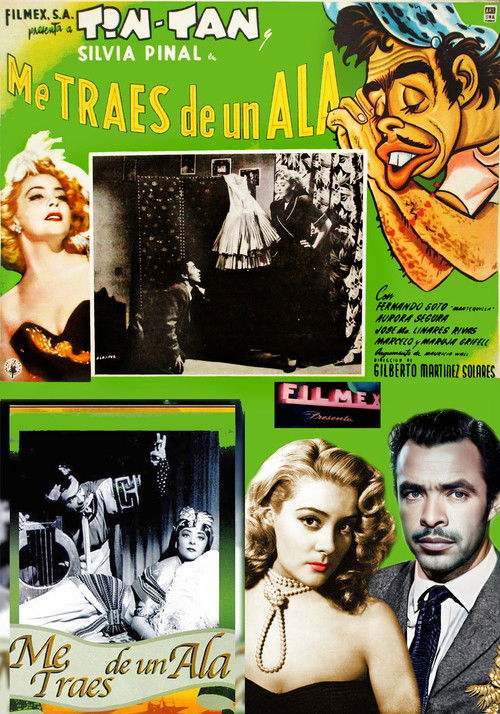
1953
No reviews yet. Be the first to share your thoughts on this movie!
Use the rating form above to leave a star rating and optional review.