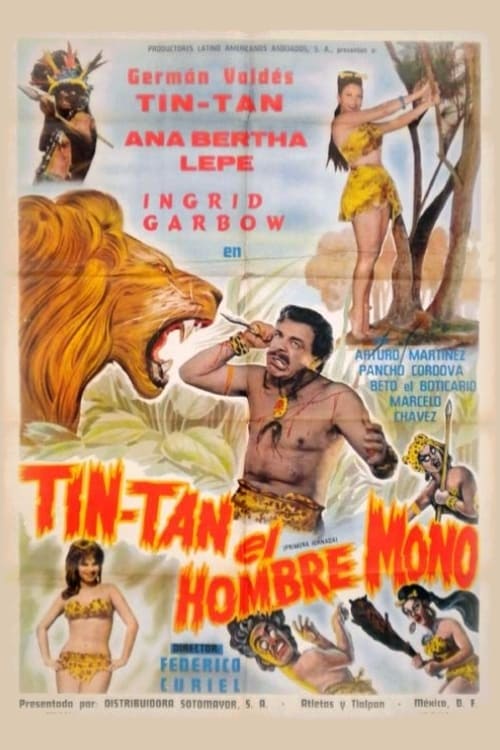
Tin-Tán El Hombre Mono
1963
No user ratings available yet
Representation score: 3.4 out of 10
Representation Score
Minimal
1966
Director
Emilio Gómez Muriel
Runtime
88 minutes
Average Rating
No ratings yetNew Showbiz Analysis
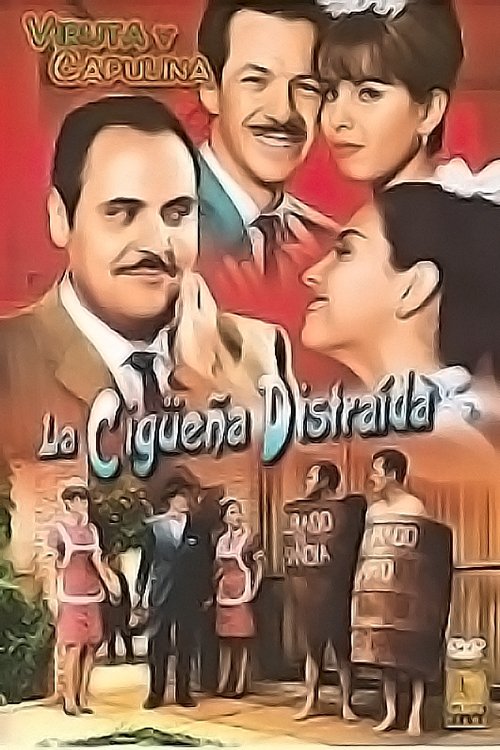
La cigüeña distraída is a traditional comedy that prioritizes situational humor and family-oriented entertainment. The narrative relies on classic clichés of mistaken identity and class distinction to drive the plot forward. The film reflects 1960s Mexican cinematic conventions. It does not attempt to challenge social expectations or existing hierarchies, focusing instead on stabilizing traditional romantic and familial unions. Ultimately, the work emphasizes social harmony. By resolving confusion through the maintenance of established social roles, the film reinforces conventional moral outcomes rather than offering a critique of systemic structures.
Category Breakdown
The film follows a strictly heterosexual and cisgender structure with no depictions of LGBTQ+ identities or narratives that challenge traditional social structures.
Female characters play a significant role in resolving the plot's central conflict, but they operate within established social hierarchies. The distinction between wealthy sisters and maids highlights class-based gender roles.
The cast is predominantly made up of people from similar backgrounds, reflecting the period-specific domestic life of 1960s Mexico. It lacks intentional racial diversity to disrupt the status quo.
The story explores socioeconomic friction between rich and poor characters. However, it favors traditional family structures over a critical look at systemic issues.
There is no discernible evidence regarding the portrayal of visible or invisible disabilities within the narrative.
Present on Screen
Limited or Absent
1963

1994
1972
1974
1964
2005
1961
1970
No reviews yet. Be the first to share your thoughts on this movie!
Use the rating form above to leave a star rating and optional review.